What Time Was It 6 Hours Ago? Calculate the Exact Time Easily

Ever glanced at the clock and wondered, what time was it 6 hours ago? You are not alone. It happens more than you think, and the answer is simpler than it feels at 2am.
In this guide, we will walk through exactly how to calculate 6 hours ago, why the question pops up so often, and a few tricks to make the math painless. No confusing charts, just plain talk that gets you the answer fast.
Why People Search “What Time Was It 6 Hours Ago”

People type this into Google for all kinds of reasons, and most of them are pretty relatable. Maybe you are checking when an order shipped, reviewing a work log, or trying to remember when you last took medicine. 6 hours ago shows up in daily life more than we notice.
Some people are tracking work shifts or clock in times, while others are checking timestamps on messages or emails. Security teams review footage from six hours back, travelers double check flight times, and parents keep an eye on a baby’s sleep schedule. Basically, anytime you need to trace something back in time, this little question sneaks in.
Even comparing schedules with a friend overseas can send you searching for what was 6 hours ago from now. It is one of those questions that feels small but touches a lot of everyday moments.
What Time Was It 6 Hours Ago? Real World Examples
Numbers stick better with real examples, so here are a few simple ones. If it is currently 2:00 PM, then 6 hours ago it was 8:00 AM. Easy enough, right?
If it is currently 3:00 AM, things get a little trickier. Going back six hours lands you at 9:00 PM the previous day. This is the part where crossing midnight trips people up, since the hour math is correct but the date quietly shifts underneath it.
Take another case. If it is 4:30 AM right now, six hours earlier was 10:30 PM the night before. Once you start noticing this pattern, it becomes second nature to check the date every time midnight is involved.
The Mathematics Behind Six Hours Earlier
Let’s keep this simple, because time math should not feel like homework. To find the exact time 6 hours ago, just subtract six from the current hour. If the number goes below zero, add 24 to wrap around to the day before.
For example, 3:00 minus 6 equals negative 3. Add 24 and you get 21:00, which is 9:00 PM the day before. It looks strange written out, but it works the same way every single time.
This trick holds up whether you are using a 12 hour clock or a 24 hour clock. Once you get the hang of it, you will do it in your head without even thinking twice.
Converting 6 Hours Into Other Units
Sometimes you need six hours in a different format, especially if you work with code, spreadsheets, or fitness apps. Six hours equals 360 minutes, which also equals 21,600 seconds, or 21,600,000 milliseconds if you want to get really specific.
These numbers matter more than you would think. Developers use them constantly for timestamp calculation behind the scenes, and fitness trackers rely on them to log sleep or workout data accurately.
Even something as small as a stopwatch reading can suddenly look huge once you write it out in milliseconds. It is a good reminder that time can be measured in a lot more ways than just hours and minutes.
Understanding Relative Time
Relative time is just a fancy way of describing time compared to right now, instead of a fixed clock number. Saying “posted 6 hours ago” is relative time, while saying “posted at 3:15 PM” is fixed time. Both tell you something useful, but relative time feels more natural to read.
Social media, news apps, and messaging platforms all lean on this style because our brains process it faster. You do not need to do the math yourself, the app already did it for you in the background.
Still, knowing how to calculate past time on your own is a useful skill, especially when apps get it wrong or you are working offline without a signal. It is one of those quiet skills that comes in handy more often than expected.
Time Zones and Why They Matter
Here is where things can get a little messy. Time zones change everything once another region enters the picture. If your friend is six time zones away, six hours ago for you is not the same clock number on their end.
This is why international time calculation trips up even smart people. Always confirm which time zone you are working with before doing the math, and keep an eye out for daylight saving time shifts twice a year, since they can quietly throw off your count by an hour.
A world clock app is a lifesaver when you are talking to someone overseas. And it never hurts to double check AM and PM, since a small mix up there can throw off your entire day.
Tools That Help Calculate Hours Ago
You do not have to do this math by hand every time. Plenty of free tools exist just for this purpose, and they take the guesswork out completely. A simple time difference calculator or hours ago calculator can instantly tell you the answer, date change and all.
These tools are especially handy when you are tired, distracted, or just do not want to think that hard. Look for one that lets you enter any starting time, subtract or add any number of hours, and automatically adjust the date when needed.
The good ones also show results in both 12 hour and 24 hour format, so you never have to guess which one you are looking at. Once you find one you like, you will probably bookmark it for good.
ALSO READ THIS BLOG: What Time Was It 8 Hours Ago? Calculate the Exact Time
Common Mistakes When Calculating Past Time
Even simple math has traps. Forgetting to change the date after a midnight time calculation is probably the most common one, followed closely by mixing up AM and PM without realizing it.
Using the wrong time zone by accident is another sneaky mistake, especially when you are texting someone across the globe. Confusing 12 hour format with 24 hour format trips people up too, along with simply rushing through the math without double checking the result.
A tired brain at midnight is the number one cause of these slip ups. Slowing down for five extra seconds fixes almost all of them, so there is really no need to stress over it.
What Time Was It 6 Hours Ago? Comparing Different Hour Offsets
Comparing six hours to other hour offset amounts helps the whole idea click faster. If it is currently noon, four hours ago was 8:00 AM, six hours ago was 6:00 AM, eight hours ago was 4:00 AM, and ten hours ago was 2:00 AM.
Seeing the pattern laid out side by side makes it obvious that the process never really changes. You are just repeating the same subtraction with a slightly different number each time.
Once this clicks, you can figure out any hour offset in your head, not just six. It becomes less about memorizing and more about understanding the simple rhythm behind it.
Clocks, Human Perception, and the Feeling of Six Hours
Here is a fun fact. Six hours on a clock and six hours in real life do not always feel the same. Sitting in an airport for six hours can feel like forever, while hanging out with friends for six hours can feel like twenty minutes.
The clock face itself helps us picture time moving in a physical way. Going back six hours is basically spinning halfway around the clock, straight from 12 to 6, which is a nice visual trick when the math feels fuzzy.
It is a small reminder that time is not just numbers, it is also a feeling. And our brains do not always agree with what the clock says, even when the math is perfectly correct.
How Technology Uses Time Calculations
Every app on your phone is quietly doing time math in the background, all day long, without you ever noticing. Login records, file save times, and message delivery all depend on accurate digital timestamp tracking working correctly behind the scenes.
When your phone says a text was sent 6 hours ago, it already ran this exact calculation for you in a split second. Even your banking app uses this kind of math to show exactly when a transaction happened, down to the minute.
It is everywhere once you start looking for it, we just never really notice because it happens so fast and so quietly.
Future Time Versus Past Time
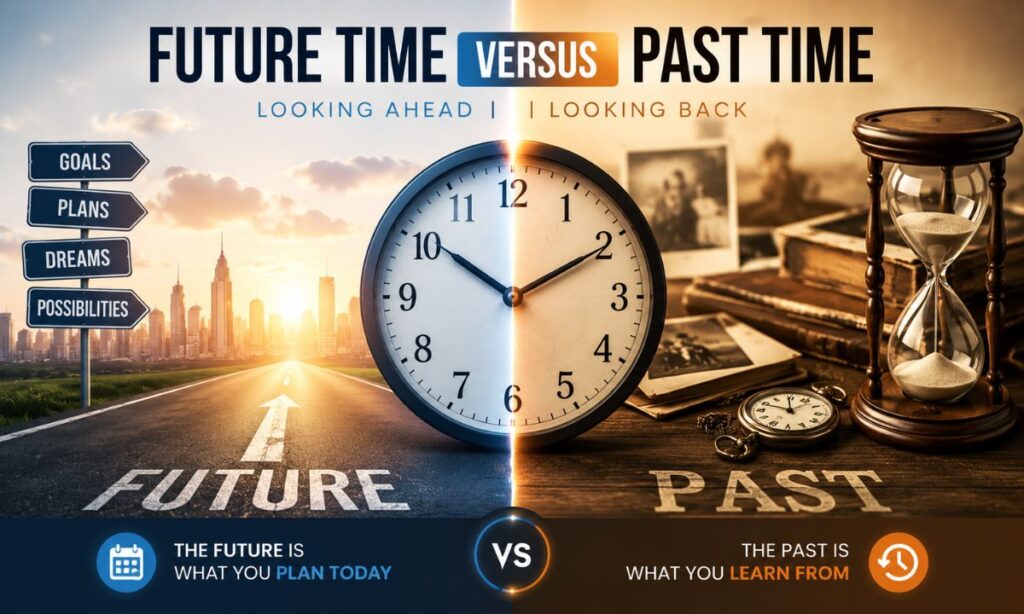
Looking backward and looking forward use the exact same skill, just flipped in direction. What time was it 6 hours ago uses subtraction, while figuring out what time it will be in six hours uses addition instead.
Same clock, same basic logic, just the opposite direction on the dial. Once you understand one side of it, the other side becomes automatic without much extra effort.
This is actually a handy way to double check your own math too. If subtracting six hours gives you one answer, adding six hours back to that answer should return you to where you started.
Practical Situations Where Knowing Six Hours Earlier Matters
This is not just a fun trivia question, real situations depend on getting this right. Nurses track medication schedules down to the hour, and parents keep tabs on a baby’s sleep pattern using the exact same kind of math.
IT teams review server error logs to figure out exactly when something broke, while delivery drivers check pickup windows to stay on schedule. Security teams review camera footage from hours earlier, and remote workers coordinate meeting times across completely different time zones.
Getting the six hour time difference wrong in situations like these can cause real problems, not just minor annoyances. That is exactly why accuracy actually matters here, even when the math itself feels small.
Quick Mental Method for Finding the Time 6 Hours Ago
Want a shortcut you can use without pulling out a calculator? Start by looking at the current hour, then count backwards on a clock six steps at a time, keeping the minutes exactly the same the whole way through.
For example, if it is 7:45 AM, count back one hour at a time: 6:45, 5:45, 4:45, 3:45, 2:45, and finally 1:45. That gives you 1:45 AM as your answer, no calculator needed.
Just remember to adjust the date if that countdown crosses midnight along the way. Once you practice this a couple of times, it becomes almost automatic.
Last Words
Figuring out 6 hours ago really comes down to one simple habit, subtract six and check the date. Once you get comfortable with it, you will do this math without even blinking.
Whether you are checking a timestamp, reviewing a log, or planning a call across time zones, this little skill quietly comes in handy more often than you would expect.

Henry Brooks is the founder and lead writer behind TimyLaw, a trusted online resource dedicated to making measurements simple, accurate, and easy to understand. With a passion for turning complex dimensions, weights, lengths, and size comparisons into practical guides, Henry helps readers find real-world measurement answers quickly. Through TimyLaw, he creates well-researched, user-friendly content that explains everyday measurements using relatable examples, helping students, professionals, and curious readers make sense of sizes, distances, and weights with confidence. His goal is to provide clear, reliable, and engaging measurement content that makes learning both useful and enjoyable.