12 Daily Use Items That Weigh 10 Kilograms
Ever picked something up and thought “wow, that’s heavy” but had no clue what it actually weighed? Ten kilograms is that sweet spot. It’s heavy enough to notice but light enough to carry across a parking lot.
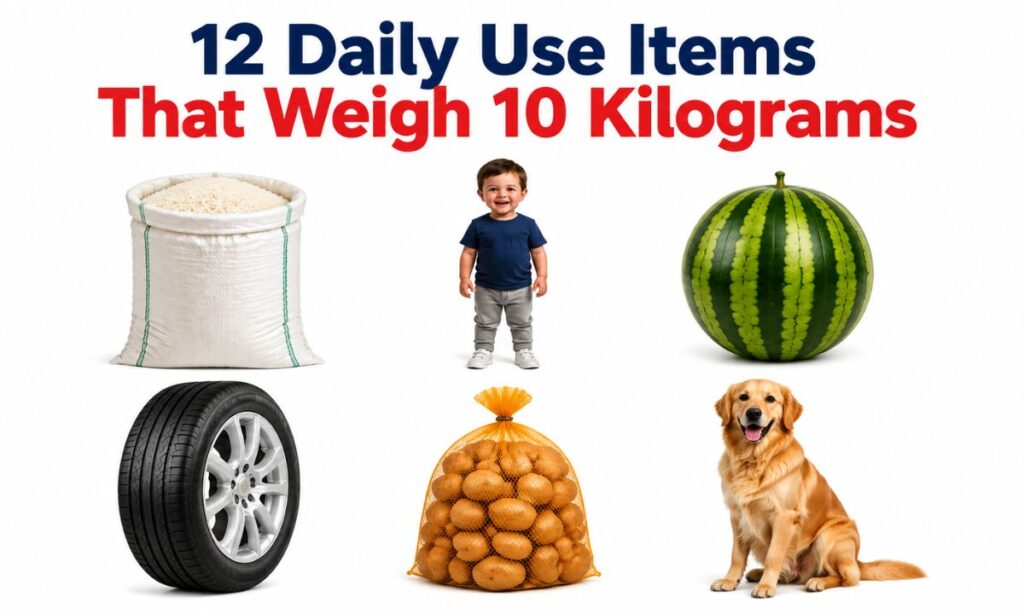
If you want quick, real-life examples of things that weigh 10 kilograms, here’s your answer right away: a bag of rice, a dumbbell, a toddler, a full laundry load, a watermelon, a car tire, a bag of potatoes, a vacuum cleaner, a paint bucket, house bricks, a medium dog, and a microwave. That’s your list of daily-use items weighing 10 kilograms.
Now let’s dig into each one, plus a few tricks to help you spot 10 kg without ever touching a scale.
How Heavy Is 10 Kilograms?
Ten kilograms equals 10 kilograms in pounds, which comes out to 22.05 pounds. It’s also 353 ounces if you want to get technical. Either way, it’s a moderate weight object that most healthy adults can lift without breaking a sweat.
Think of it like this. It’s not light like a phone. It’s not brutal like a couch. It sits right in the middle, which is exactly why gyms, grocery stores, and parents all use it as a common weight reference.
Once you know what things weigh 10 kilograms, you start spotting them everywhere. Groceries, gym bags, even your neighbor’s dog.
Quick Conversion
Here’s the math without the headache.
- 10 kilograms = 22.05 pounds
- 10 kilograms = 353 ounces
- 10 kilograms = 10,000 grams
- 10 kilograms = 0.01 metric tons
Keep these numbers handy. They come in useful anytime you’re shopping, packing, or just curious about objects around 22 pounds.
Things That Weigh 10 Kilograms
This is the fun part. These are actual household items weighing 10 kg that you probably already own or see every week.
10kg Bag of Rice or Flour

Big bulk bags of rice or flour at the grocery store often land right at 10 kg. It’s one of the most common grocery items weighing 10 kg you’ll find on any shelf.
Families buy these bags because they last for months. Carrying one home is a solid workout in itself.
10kg Dumbbell or Kettlebell
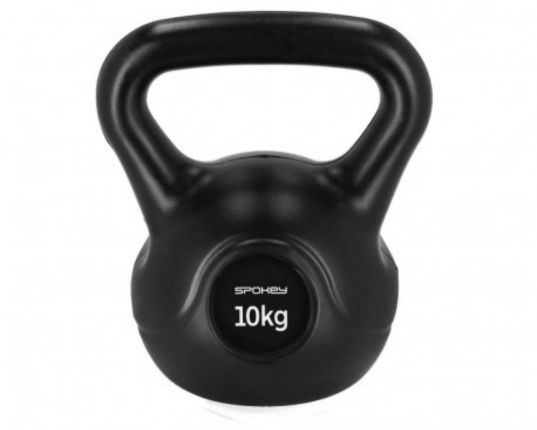
If you’ve ever hit the gym, you’ve probably grabbed a 10 kg dumbbell without thinking twice. It’s a go to piece of gym equipment weighing 10 kg for beginners building strength.
Trainers love this weight because it challenges muscles without wrecking your form. It’s the perfect middle ground for presses, rows, and swings.
Small Toddler (2-3 Years Old)
Most toddlers between 2 and 3 years old sit close to 10 kg. Ask any parent and they’ll confirm this toddler weight comparison feels very real by the end of the day.
Carrying a squirmy toddler for even five minutes reminds you just how solid 10 kg actually is. It’s a living, wiggling reference point.
Full Laundry Load
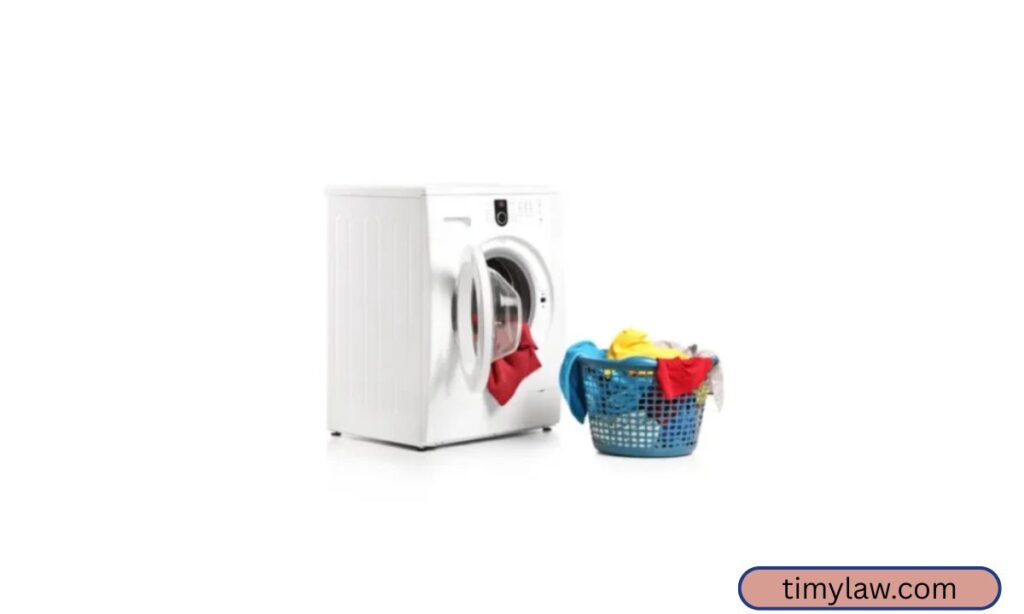
A full washing machine load usually weighs between 8 and 12 kg, with 10 kg being the sweet spot. This laundry load weight includes towels, sheets, and everyday clothes.
Next time you load the machine, picture that weight. It’s the same as everything else on this list.
Large Watermelon
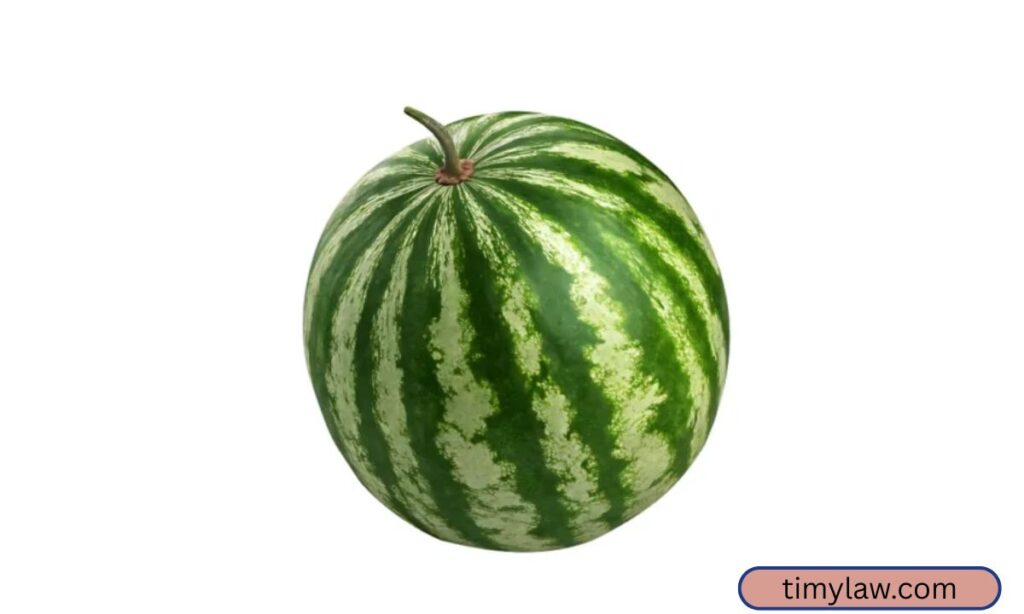
Big watermelons from the store often tip the scale near 10 kg. Carrying one from the produce aisle to your car is a classic test of grip strength.
The awkward round shape makes it feel even heavier than it is. This is one of the trickier real-life examples of 10 kg because of how it’s shaped.
Standard Car Tire

A regular passenger car tire usually weighs around 10 kg. This car tire weight includes the rubber, steel belts, and rim padding.
Mechanics lift these all day long without a second thought. For the rest of us, it’s a solid arm workout.
READ MORE: 12 Daily-Use Items Measuring 59 Inches Long
Bag of Potatoes (Large)

Just like rice, a large bag of potatoes often comes in at exactly 10 kg. This is another everyday grocery items weighing 10 kg example that shows up in almost every kitchen.
Restaurants buy these in bulk for consistency. At home, it’s usually enough potatoes to last a couple weeks.
Heavy-Duty Vacuum Cleaner
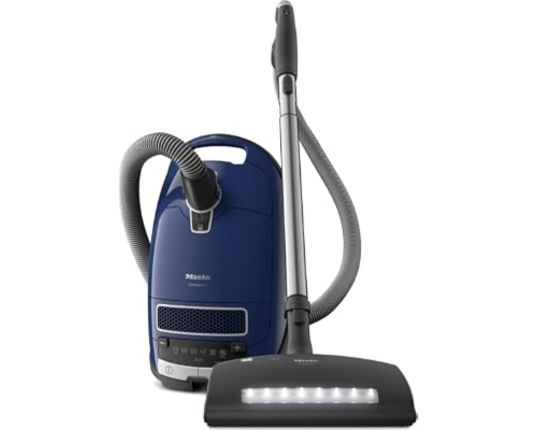
Full sized vacuum cleaners with motors and attachments often weigh close to 10 kg. Dragging one up the stairs is a good reminder of how heavy that really feels.
This is one of those household items weighing 10 kg people don’t think about until moving day.
Bucket of Paint (Large)

A filled five gallon paint bucket usually lands around 10 kg. Painters carry these buckets nonstop during home projects.
It’s a great example of carrying 10 kilograms in a job setting, not just at the gym.
Four to Five Standard House Bricks
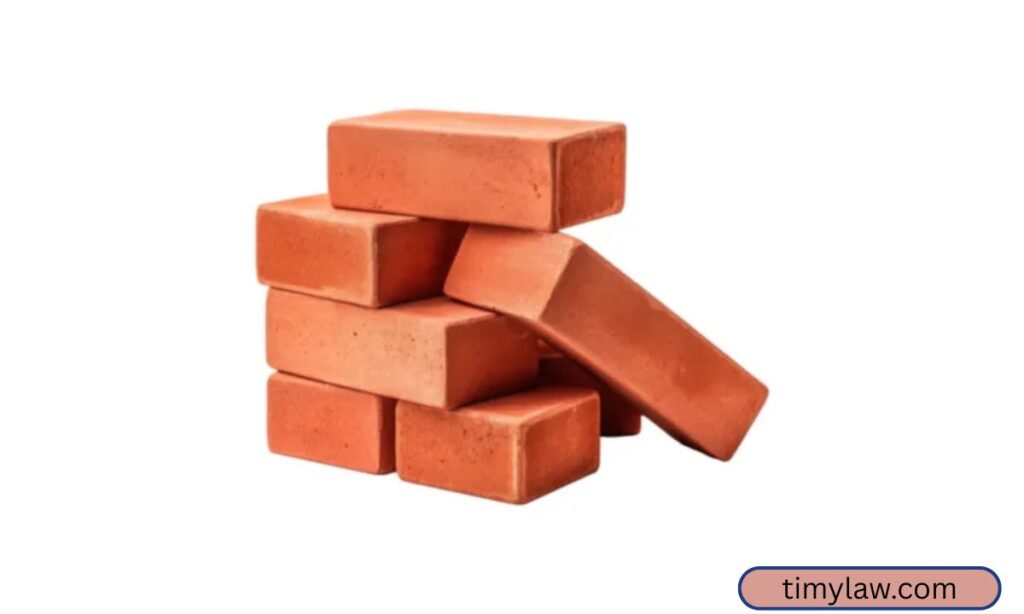
Each brick weighs about 2 to 2.5 kg, so four or five together add up to 10 kg. Builders stack these all day without thinking about the total weight.
It’s a simple, physical way to feel out this measurement using stuff most people have seen up close.
Medium-Sized Dog

Dog breeds like beagles or cocker spaniels often weigh close to 10 kg. If you own a medium-sized dog, you already know how it feels to scoop them up for a vet visit.
This is one of the more fun, relatable common items by weight since so many households have a furry example right at home.
Compact Microwave Oven

Most compact microwave ovens weigh somewhere between 9 and 11 kg. Moving one from the store to your kitchen counter gives you a very direct feel for this weight.
It’s a great indoor reference since almost every home has one sitting in the kitchen.
10 Kilograms Without a Scale
No scale nearby? No problem. These simple tricks help with estimating weight without a scale using stuff you already have.
Toddler Aged 2–3 Years
As mentioned earlier, toddlers in this age range often sit right around 10 kg. If you have one nearby, a careful pickup gives you an instant, honest feel for the weight.
Two Large Grocery Bags (Filled)
Two packed grocery bags with cans, milk, and produce usually total 8 to 12 kg together. This is one of the easiest weight estimation guide tricks since almost everyone shops weekly.
10-Liter Water Container (2.6 Gallons)
Water is simple. One liter equals one kilogram, so a 10 liter jug equals almost exactly 10 kg. This is one of the most accurate weight measurement examples you can set up at home in seconds.
10 kg Dumbbell or Plate
Most gyms have clearly marked 10 kg weights sitting right on the rack. Picking one up gives you the cleanest, most precise fitness weight reference on this whole list.
Weight Comparison Chart
Sometimes a quick side by side helps more than words. Here’s a simple weight comparison chart style breakdown using items from this list.
- Toddler and 10 liter water jug feel almost identical in the arms
- Two grocery bags feel bulkier but roughly the same total weight
- A dumbbell feels the most concentrated and dense
- A watermelon feels heavier due to its awkward round shape
This kind of household weight references comparison helps train your brain to guess weight fast, even without checking a label.
Common Mistakes People Make Estimating 10 Kilograms
Most people either guess too high or too low when they try to eyeball weight. Round, bulky items like watermelons often feel heavier than they actually are.
On the flip side, compact items like dumbbells often feel lighter than their real weight because the mass is packed tight. Keeping a mental list of familiar objects by weight helps you avoid both mistakes.
Why 10 Kilograms Matters in Everyday Life
Grocery shopping gets easier once you understand food package weights. Knowing that rice and potato bags weigh 10 kilograms helps you plan trips and avoid overloading your bags. Fitness tracking also improves once you recognize dumbbell and kettlebell sizes. Hitting that 10 kg milestone is a real marker of progress for beginners.
Childcare planning benefits too. Knowing your toddler is close to 10 kg affects car seat choices and how you carry them safely. Moving and lifting around the house gets safer with this awareness. Understanding that vacuums and paint buckets weigh 10 kilograms helps you plan lifts properly and avoid strain.
Conclusion
Ten kilograms shows up more than you’d think, from your kitchen to your gym bag to your family dog. Once you know a handful of solid real-life examples of 10 kg, guessing weight becomes second nature.
Next time you lift a bag of rice, a dumbbell, or your toddler, you’ll know exactly what you’re holding. That’s the whole point of building real weight awareness in daily life.

Henry Brooks is the founder and lead writer behind TimyLaw, a trusted online resource dedicated to making measurements simple, accurate, and easy to understand. With a passion for turning complex dimensions, weights, lengths, and size comparisons into practical guides, Henry helps readers find real-world measurement answers quickly. Through TimyLaw, he creates well-researched, user-friendly content that explains everyday measurements using relatable examples, helping students, professionals, and curious readers make sense of sizes, distances, and weights with confidence. His goal is to provide clear, reliable, and engaging measurement content that makes learning both useful and enjoyable.