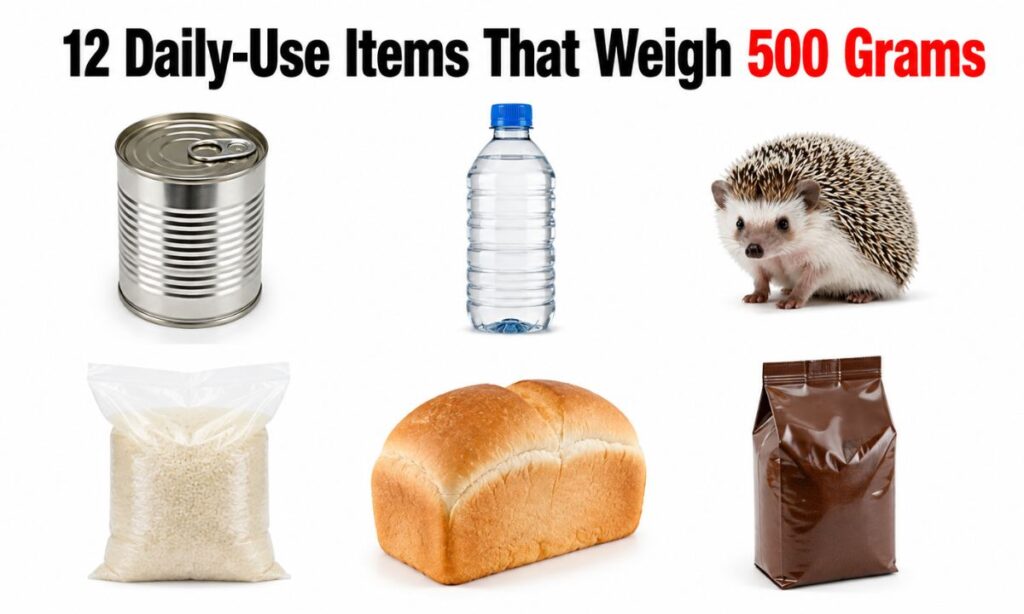
12 Daily-Use Items That Weigh 500 Grams
Ever picked something up and thought “huh, that feels like it could be half a kilo”? You’re not alone. Learning to spot items that weigh 500 grams is one of those small skills that makes life easier, whether you’re cooking, shipping a package, or just settling a kitchen argument.
This guide walks you through real objects you already own or see every day. No fancy science talk. Just simple comparisons you can actually picture in your head.
How Heavy Is 500 Grams?
Five hundred grams equals 500 grams in pounds at about 1.1 pounds, and in ounces it comes to roughly 17.6. It’s exactly half a kilogram weight, so if you know what a kilogram feels like, just cut that feeling in half.
Most people ask how heavy is 500 grams because they want a gut feeling, not a formula. Think of it as a weight that sits nicely in one hand. It’s not light like a phone, and it’s not heavy like a laptop. It’s right in the middle.
This is why 0.5 kilogram examples show up so often in kitchens and grocery stores. Manufacturers love this weight because it’s easy to package, easy to carry, and easy to remember.
Quick Conversion
Here’s the quick math so you don’t have to open a calculator app every time.
- 500 grams = 1.102 pounds
- 500 grams = 17.64 ounces
- 500 grams = 0.5 kilograms
- 500 grams = 500,000 milligrams
Keep this weight comparison 500 grams chart handy. It comes in useful more often than you’d think, especially during cooking or when you’re weighing mail at home.
Things That Weigh About 500 Grams
Let’s get into the fun part. These are real, touchable everyday weight examples you can go find in your own house right now.
Bag of Sugar or Flour

A standard bag of sugar weight and flour bag weight in most stores lands right at 500 grams. Bakers love this size because it’s just enough for a few recipes without taking up half the pantry shelf.
Pick one up next time you’re in the kitchen. That solid, slightly shifting weight in your palm? That’s your new mental bookmark for half a kilo.
Large Can of Vegetables

Canned corn, beans, or tomatoes usually hit close to 500 grams once you include the can itself. This canned vegetables weight is a favorite reference because almost every kitchen has one sitting in a cupboard.
Next time you’re making dinner, grab a can before opening it. Feel that weight. Now you know what half a kilo feels like in metal and food combined.
Standard Block of Butter
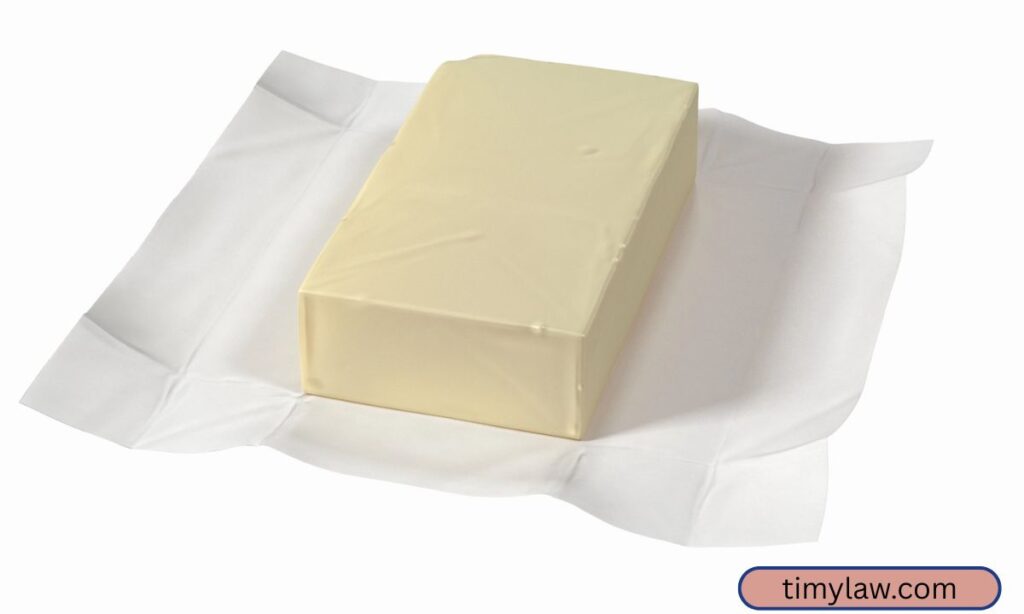
A block of butter is one of the most reliable butter block weight references out there. European butter especially tends to come packaged at exactly 500 grams, no rounding needed.
Home bakers reach for this size constantly. It’s neat, it’s stackable, and it gives you a steady comparison whenever you need to eyeball other ingredients.
Volleyball

This one surprises people. A regulation ball is lighter, but many training or water filled volleyballs used in practice drills reach close to 500 grams. That volleyball weight makes it a fun, unexpected addition to your mental list.
If you’ve got kids who play sports, ask them to toss you their practice ball. That’s roughly your 500 gram feeling, wrapped in leather.
500ml Bottle of Water (Filled)

Since water weighs one gram per milliliter, a full 500ml water bottle weight lands almost exactly on the number. This is hands down the easiest way to feel weigh 500 grams without owning a scale.
Grab one from your fridge right now. That’s it. That’s the whole trick. Simple, reliable, and available almost everywhere on the planet.
Pair of Denim Jeans

Your favorite jeans probably weigh somewhere between 450 and 600 grams, and a lot of pairs land right at 500. This denim jeans weight reference works because you already handle jeans all the time without thinking twice.
Next laundry day, lift a pair before tossing them in the machine. You’ll notice that solid, slightly heavy denim feel. That’s your half kilo.
100 US Nickels

Each nickel weighs exactly 5 grams, so 100 of them add up to a perfect 500. This coin weight reference is one of the most accurate ways to test a kitchen scale at home.
If you’re into rolling coins or just have a jar of spare change, count out 100 nickels. That 100 nickels weight trick works every single time, no guessing involved.
ALSO READ THIS BLOG: 12 Daily Use Items That Weigh 10 Kilograms
Standard Pasta Package

Most pasta package weight boxes on grocery shelves sit right around 500 grams. It’s become the go to size for family dinners because it feeds four to six people without much waste.
Next time you cook pasta, weigh the box before opening it. That number sticks in your memory way better than reading it off a label.
Small Hedgehog

Yes, a real hedgehog. Young ones typically weigh between 400 and 600 grams, with plenty landing exactly at 500. It’s a quirky but very real living example of this weight.
Wildlife carers actually track this number closely for health checks. So if you ever meet a hedgehog owner, you now have a fun fact ready to share.
Bag of Rice (Small Package)
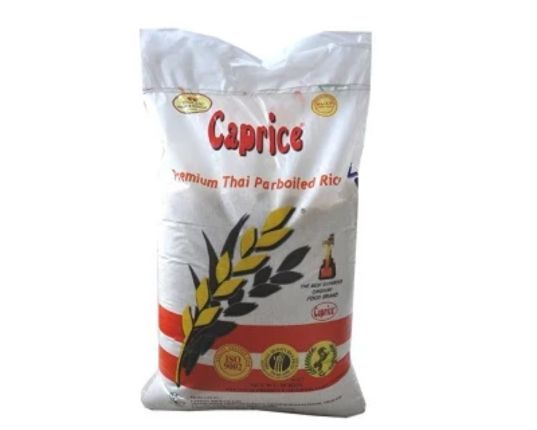
Small rice bag weight packages made for single households are often exactly 500 grams. This size gives roughly five to six servings, which is perfect if you live alone or just don’t want a giant sack taking over your shelf.
Grocery shoppers pick this size constantly because it balances price and portion size without any waste.
Loaf of Bread

A regular loaf of sandwich bread usually weighs close to 500 grams, depending on the bakery or brand. It’s soft, it’s light feeling in the hand, but the number still adds up because bread holds more density than people expect.
Grab a loaf from your kitchen counter. It’s a comfy, familiar weight that most people never think twice about.
Pack of Ground Coffee
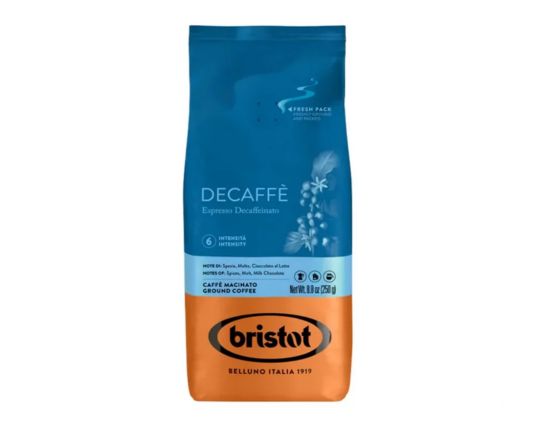
A standard bag of ground coffee often comes in at exactly 500 grams too. Coffee lovers go through this size fast, especially if you’re brewing daily.
Next time you buy coffee, notice the bag weight printed on the label. There’s a good chance it says 500 grams right there in plain sight.
500 Grams Without a Scale
Sometimes you just don’t have a scale around, and that’s fine. These four everyday objects give you a fast, no tools needed way to estimate weight estimation without a scale.
Full 500 ml Water Bottle
Grab one from your fridge. A full bottle plus its light plastic shell lands almost exactly at 500 grams. It’s the easiest practical weight reference you’ll ever use.
Standard 500 g Bag of Sugar or Flour
Pull one from your pantry. That dense, slightly shifting powder inside gives you a very true to life feel for this weight.
100 U.S. Nickels
Stack up two coin rolls. Fifty nickels each, one hundred total, and you land on a perfect half kilo without rounding.
Pair of Denim Jeans
Grab a pair from your closet. The familiar fabric weight in your hands is honestly one of the most relatable comparisons on this whole list.
500 Grams Matters in Everyday Life
Understanding this weight isn’t just trivia. It actually helps in real situations, from the kitchen to the post office.
Grocery shopping gets easier once you recognize standard package sizes without checking every label. Fitness routines often use 500 gram hand weights or resistance bands, so knowing the feel helps you train smarter.
Shipping and mailing packages becomes less of a guessing game too. Once you know your measuring 500 grams reference points, you can estimate postage costs before you even step up to the counter.
Cooking also gets more accurate. Recipes from different countries often list ingredients in grams, so having a solid mental picture saves you time and kitchen stress.
Conclusion
Now you’ve got a full list of real, touchable items that weigh 500 grams, from your kitchen pantry to your closet and even your coin jar. These real life 500 gram objects give you a fast, no scale needed way to estimate weight anytime you need it.
Next time someone asks how heavy half a kilo feels, you won’t need Google. You’ll just grab a water bottle, a bag of sugar, or your favorite jeans and show them yourself.

Henry Brooks is the founder and lead writer behind TimyLaw, a trusted online resource dedicated to making measurements simple, accurate, and easy to understand. With a passion for turning complex dimensions, weights, lengths, and size comparisons into practical guides, Henry helps readers find real-world measurement answers quickly. Through TimyLaw, he creates well-researched, user-friendly content that explains everyday measurements using relatable examples, helping students, professionals, and curious readers make sense of sizes, distances, and weights with confidence. His goal is to provide clear, reliable, and engaging measurement content that makes learning both useful and enjoyable.