16 Things That Measure 100 Feet (ft) In Length
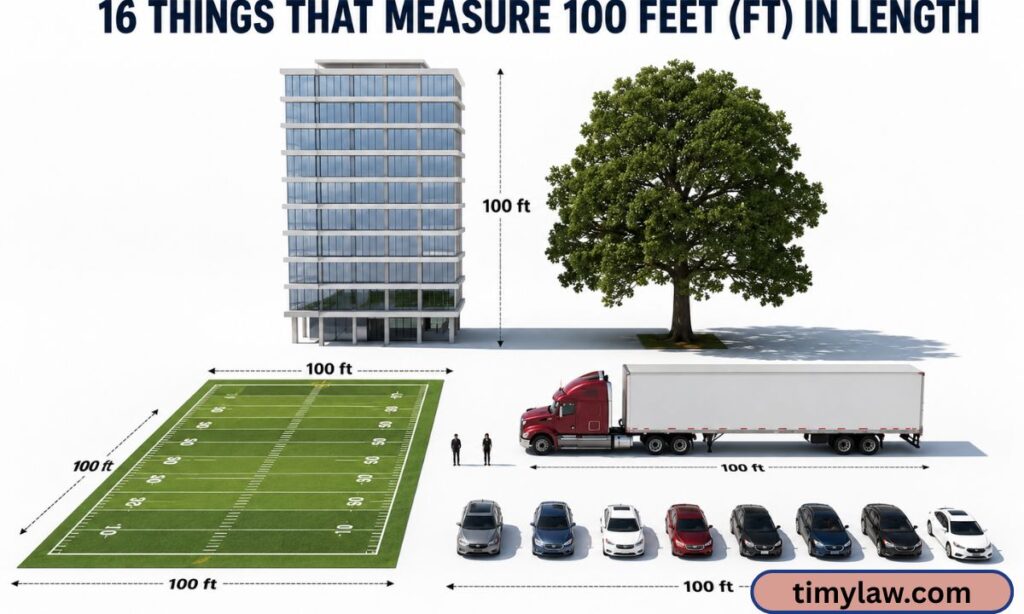
Ever stood outside a tall building and wondered just how high it goes? Or tried to picture 100 feet in your head and came up blank? You are not alone. Most people hear “100 feet” and just nod along without really knowing what it looks like in real life. That is why understanding things that Measure 100 Feet can be so helpful.
Here is the simple truth. 100 feet equals 30.48 meters, 33.33 yards, or 1,200 inches. It is roughly the height of a ten-story building or about seven car lengths bumper to bumper. Once you see it through familiar objects, it clicks instantly and stays in your head forever.
Quick Conversion
Here is your fast reference for 100 feet measurement comparison before we dive in.
| Unit | Value |
| Meters | 30.48 meters |
| Yards | 33.33 yards |
| Inches | 1,200 inches |
| Miles | 0.019 miles |
These conversions are useful for construction work, sports planning, property assessment, and everyday estimation. Bookmark this table and thank yourself later.
How Long Is 100 Feet?
Picture 18 adults lying flat on the ground head to toe in a straight line. That human chain stretches almost exactly 100 feet. It sounds like a lot until you actually visualize it and then it feels surprisingly manageable.
At a normal walking pace you cover 100 feet in about 33 to 40 seconds. That is roughly the time it takes to walk from your front door to the end of your driveway and back. Short enough to feel casual but long enough to notice.
Understanding 100-foot distance gets much easier when you stop thinking in raw numbers and start thinking in everyday objects. That is exactly what the next section delivers.
Things That Measure 100 Feet In Length
Lots of everyday objects around you measure close to or exactly 100 feet. From school buses and tall buildings to giant trees and fire trucks, real life examples of 100 feet are hiding in plain sight everywhere. Once you know these visual examples of 100 feet, you will never struggle to picture this distance again.
Standard School Bus (Plus Small Car)
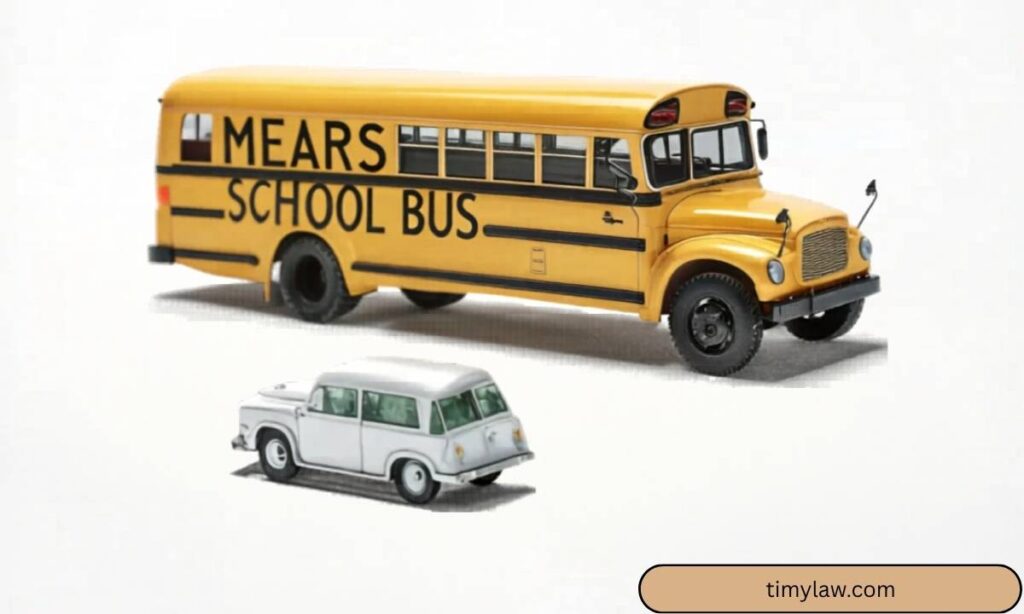
A standard school bus runs about 35 to 40 feet long. Add a compact car behind it at around 12 to 14 feet and you are already near 55 feet. Two school buses plus a small car tagged on the end gets you right to 100 feet.
This is one of the most relatable visual examples of 100 feet because everyone has seen a school bus outside a school or stuck at a traffic light. School bus length comparison is a tool transportation planners actually use when designing parking lots and drop off zones.
One-Third of a Football Field
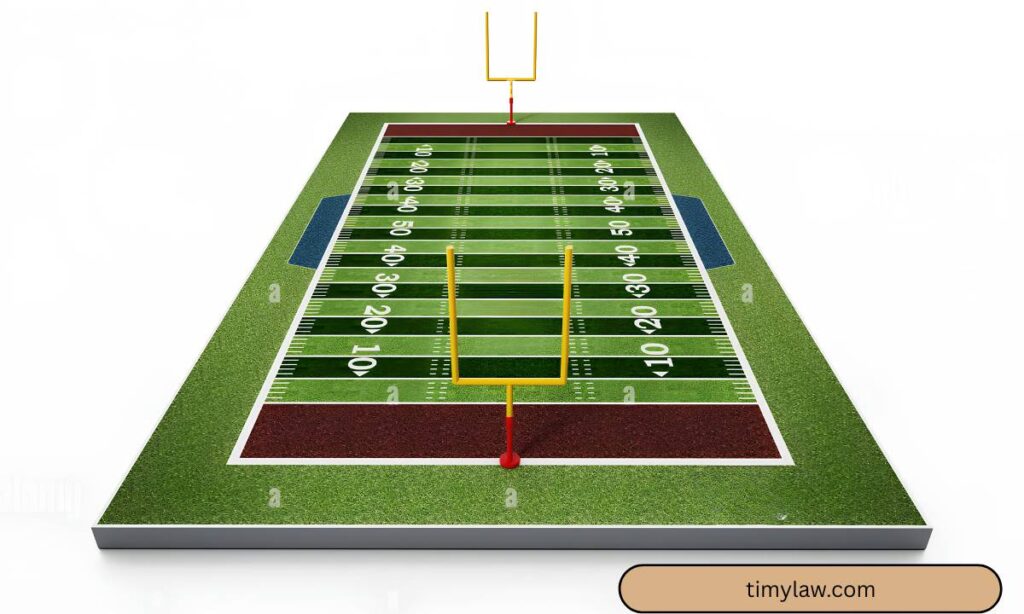
An American football field measures exactly 300 feet from goal line to goal line. Divide that into three equal sections and each piece equals exactly 100 feet. Sports fans already have this reference built into their brains.
Picture walking from the goal line straight to the 33-yard marker. That walk covers your full one-third football field distance. It is the most popular everyday reference for 100 feet in American culture and it works every single time.
Ten-Story Building

Commercial buildings average about 10 feet per floor including ceiling thickness and flooring. Stack ten floors and you land precisely at ten-story building height which equals right around 100 feet.
Next time you walk past a downtown office block, count the floors with your eyes. Hit ten and you are staring at a real world 100 feet standing right in front of you. This reference works in every major city on the planet.
Seven Average Cars (End-to-End)

A typical sedan measures about 14 to 15 feet bumper to bumper. Line up seven standard cars in a parking lot and that row stretches between 98 and 105 feet depending on the models. Close enough to call it 100 feet every time.
Seven car lengths is the fastest shortcut for how to visualize 100 feet on flat ground. Parking lots are everywhere so you can test this mental image literally any day of the week without going anywhere special.
Standard Bowling Lane (With Approach)
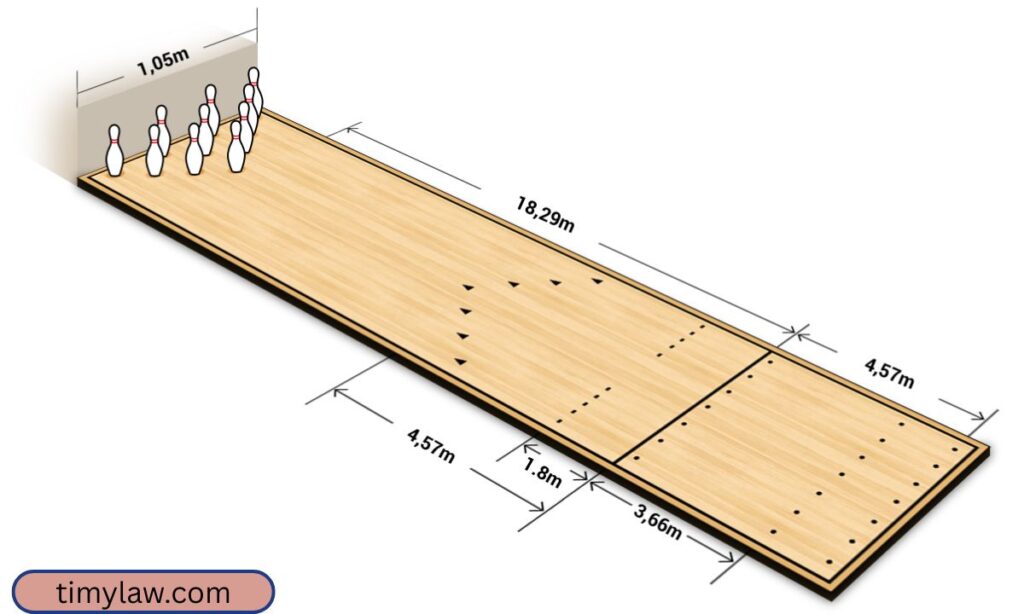
A regulation bowling lane runs 60 feet from the foul line to the headpin. Add the 15-foot approach area behind the line and you hit 75 feet. Factor in the ball return space and surrounding lane area and you land right around 100 feet total.
Bowling lane length is a great indoor reference because you can physically stand at the back of any bowling alley and feel the full distance with your own eyes. It always surprises people how long it actually is when they are not focused on the pins.
Basketball Court (Slightly Longer)
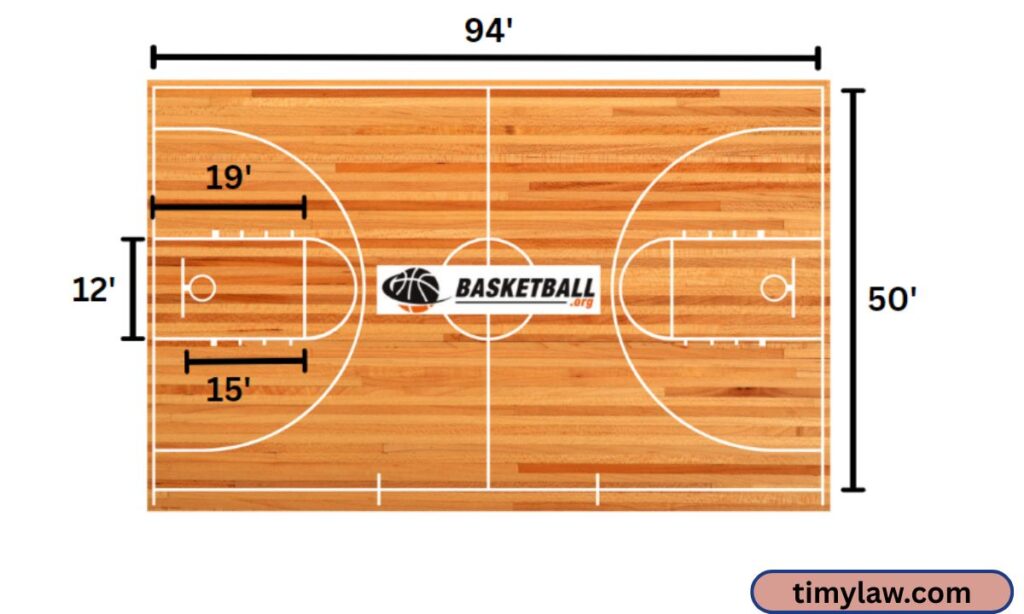
A regulation basketball court stretches 94 feet from baseline to baseline. That is only 6 feet short of your 100-foot distance estimation target. Add a small buffer zone at each end and you are exactly there.
Basketball court dimensions are drilled into every player from day one. If you have ever played a full court pickup game, your legs have already covered nearly 100 feet with every single run. Just add a tiny bit more in your mind.
Mature Oak or Pine Tree

Old growth oak and pine trees regularly reach 80 to 120 feet when fully mature. Many specimens land right on the 100 feet mark especially trees that have been growing quietly for 80 to 100 years in forests and parks.
Mature tree height is one of the most beautiful real life examples of 100 feet because nature built it without a single measuring tape. Arborists estimate tree heights constantly when planning removal jobs near buildings and power lines.
Semi-Truck and Full Trailer
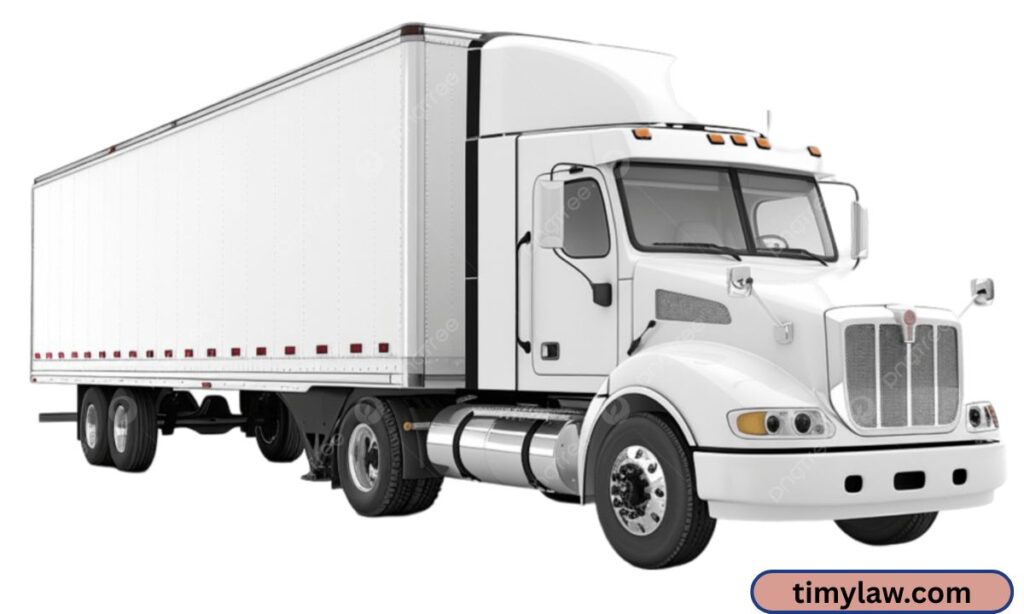
A semi truck tractor measures about 20 to 25 feet. Attach a standard 53-foot trailer and the full rig stretches to around 73 to 78 feet. Longer combination vehicles push comfortably past 100 feet on the open highway.
Semi truck dimensions hit different when you realize that massive vehicle beside you on the interstate is essentially a ten-story building laid flat and rolling at 65 miles per hour. That is your 100 feet explained with examples moment right there.
Fire Truck with Ladder Extended

Aerial ladder trucks extend anywhere from 75 to 100 feet at full reach. Fire departments use this exact measurement to rescue people trapped on upper floors of burning buildings during emergencies.
This is one of the most dramatic objects around 100 feet because you can watch it extend live during a fire response. Firefighters train specifically with ladder truck reach at maximum height so they can handle ten-story building rescues with total confidence.
Five Standard RVs (End-to-End)

A Class C motorhome averages 20 to 25 feet in length. Park five of them bumper to bumper in a campground row and that line covers right around 100 feet of ground without any math required.
RV length comparison is perfect for road trip lovers because campgrounds literally arrange vehicles this way. Five spots in a row at any busy campsite gives you an instant and satisfying estimate of 100 feet visually.
Tennis Court (Slightly Longer)
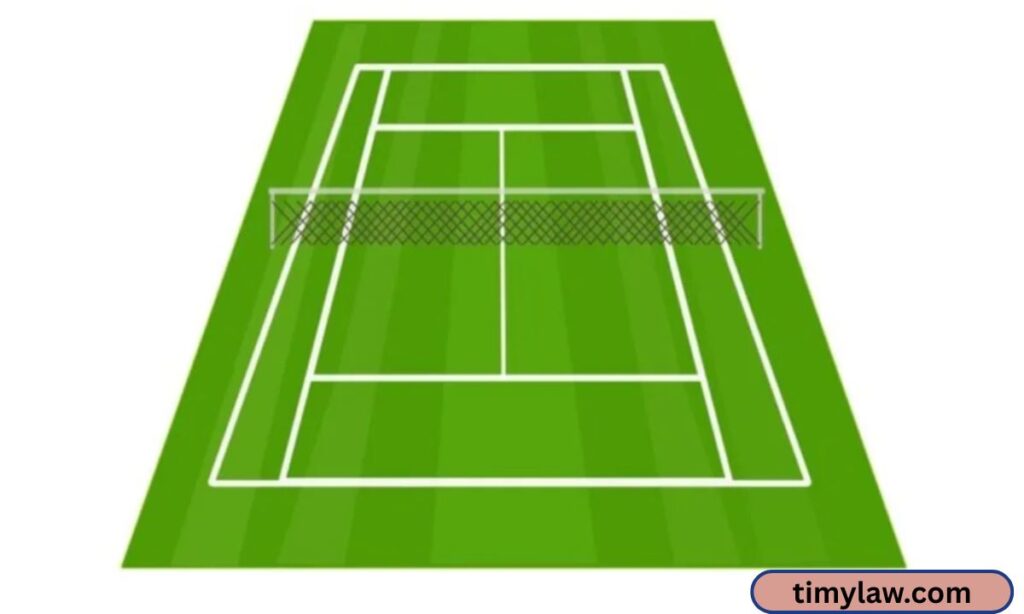
A singles tennis court measures 78 feet from baseline to baseline. Add about 22 extra feet and you hit your full 100 feet. One court plus a small mental buffer and you are spot on every time.
Large Yacht or Small Ship

Luxury yachts range from 80 to 120 feet and a 100-foot vessel is considered a serious ocean-going boat requiring a professional crew. Yacht size comparison puts 100 feet in the most glamorous context possible.
18 Adults (Head-to-Toe)
Line up 16 to 18 people lying flat on the ground and that human chain hits almost exactly 100 feet. This is the most fun practical measurement example because you can recreate it at any school event or backyard gathering.
Small Apartment Building

Low-rise apartment buildings in urban neighborhoods often span 80 to 100 feet across their front face. Walk from one end of the building to the other and count your steps to feel 100 feet in your own body.
Two Blue Whales (Nose-to-Tail)
A full grown blue whale measures 80 to 100 feet long. One single adult is essentially your entire 100-foot measurement comparison swimming through the ocean. Nature does not mess around with small numbers.
Four Standard Shipping Containers
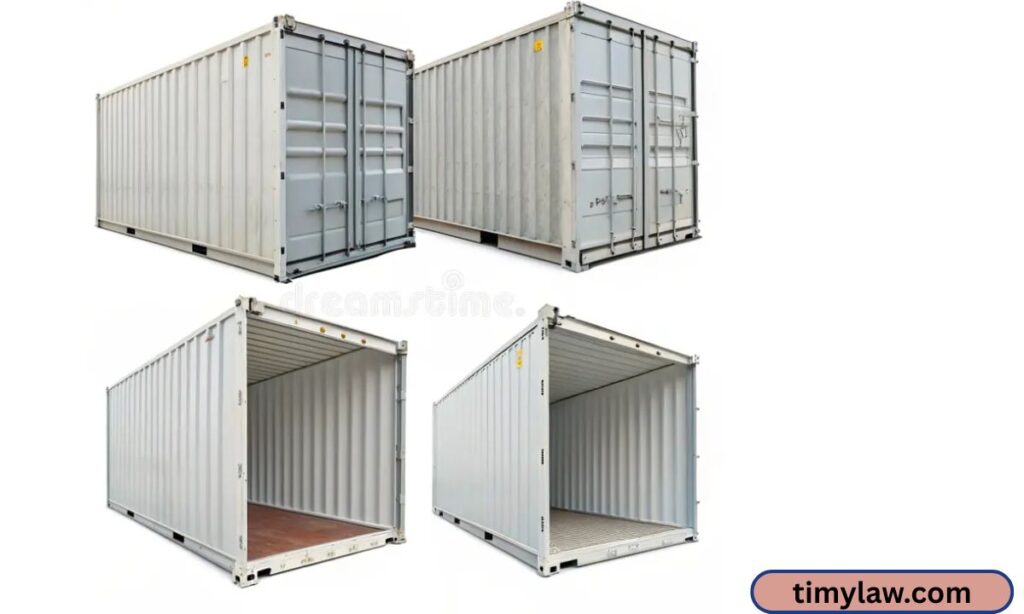
A standard shipping container is exactly 20 feet long. Line up five of them end to end and you hit exactly 100 feet. Containers are everywhere at ports and construction sites making them one of the most modular distance estimation examples you will ever find.
100 Feet Without Measuring
You do not always need a tape measure to figure out 100 feet. Your brain can do the job if you know the right tricks. Look up at any ten-story building and that roofline is sitting right at 100 feet. Walk onto a football field and stroll from the goal line to the 33-yard marker and you just covered one-third of a football field which is exactly 100 feet.
Count seven cars parked in a row at any parking lot and that line is your answer. Or just walk at your normal pace for about 35 seconds and you have covered roughly 100 feet using nothing but your own legs. These simple tricks turn an invisible number into something you can see and feel every single day.
Ten-Story Building Height
Look up at any ten-story building from street level. Each floor sits at roughly 10 feet including ceiling and floor thickness. That roofline above you is your real world 100 feet standing tall.
One-Third of a Football Field
Walk from the goal line to the 33-yard marker on any football field. That stretch is exactly one-third of a football field and covers your full 100 feet without any guessing.
Seven Standard Cars Bumper-to-Bumper
Count seven sedans parked in a straight row at any parking lot. That line runs approximately 100 feet from the first bumper to the last. It is your fastest everyday visual trick.
33 to 40 Seconds of Normal Walking
Set a timer and walk at your normal pace for 35 seconds. You will cover right around 100 feet without measuring a single inch. Your own body becomes the measuring tool.
100 Feet Matters in Everyday Life
Knowing how to visualize 100 feet saves you real time and real money. Construction workers use it for setbacks and clearances. Homeowners use it to assess lot sizes before buying property. Coaches use it to design drills and training exercises.
100 feet explained with examples like these also matters for safety. Fire codes, utility line setbacks, and emergency vehicle access routes often reference this exact measurement. Knowing it in your head means you can spot problems before they become expensive mistakes.
Conclusion
From seven car lengths in a parking lot to a soaring ten-story building, from a mature pine tree in a forest to a luxury yacht at the marina, 100 feet shows up everywhere once you know what to look for.
You now have 16 solid, relatable, and memorable real life examples of 100 feet locked in your brain. Use them anytime you need a quick 100 feet reference guide without pulling out a measuring tape. The world around you is full of perfect references. You just have to know where to look.

Henry Brooks is the founder and lead writer behind TimyLaw, a trusted online resource dedicated to making measurements simple, accurate, and easy to understand. With a passion for turning complex dimensions, weights, lengths, and size comparisons into practical guides, Henry helps readers find real-world measurement answers quickly. Through TimyLaw, he creates well-researched, user-friendly content that explains everyday measurements using relatable examples, helping students, professionals, and curious readers make sense of sizes, distances, and weights with confidence. His goal is to provide clear, reliable, and engaging measurement content that makes learning both useful and enjoyable.