12 Common Items That Weigh 15 Ounces

Ever picked something up and wondered just how heavy it really is? Fifteen ounces is one of those in between weights that shows up more than you’d think, from your pantry shelf to your gym bag.
Once you know what items weigh 15 ounces, you get a built in reference for guessing weight without ever touching a scale. This guide breaks down real objects, real numbers, and real uses for this common measurement.
Quick Conversion
Before we get into examples, let’s get the numbers straight so nothing feels confusing later. 15 ounces equals 0.9375 pounds, which is just a hair under one full pound. In grams, that same weight comes out to 425 grams, or 0.425 kilograms if you prefer the metric system. In milligrams, it works out to 425,000 milligrams, though you’ll rarely need that number outside a science class.
Knowing these conversions makes it easier to understand why so many everyday objects land right at 15 ounces. It’s a weight that feels solid in your hand without being bulky or awkward to carry.
How Heavy Is 15 Ounces?
So how heavy is 15 ounces in real terms? Picture a full pound of butter, then imagine taking away just one small ounce. That’s basically what you’re holding.
This weight sits in a sweet spot. It’s heavy enough to notice immediately when you pick it up, but light enough that carrying it around all day wouldn’t tire you out. That’s exactly why so many everyday items weighing 15 ounces show up in kitchens, sports bags, and coffee shops.
Food companies lean on this weight constantly for canned goods. Sports brands use it for balls that need to feel consistent no matter who’s playing. Once you start noticing it, you’ll see this measurement everywhere.
Things That Weigh 15 Ounces
Here are the most common objects weighing 15 oz that you’ll run into during a normal week. Each one gives you a different way to picture this weight in your own life.
Standard Canned Soup

Most canned soups sit between 14.5 and 15.5 ounces, with 15 being the number brands land on most often. Campbell’s and Progresso both stick close to this size for their classic cans.
This has become one of the easiest examples of 15 ounce items because almost every pantry has one. Grab a can next time you’re cooking and you’ll feel exactly what this weight means.
Can of Beans or Vegetables

Black beans, kidney beans, corn, and green beans almost always come packed in cans between 15 and 15.5 ounces. It’s become the unofficial standard size across grocery stores.
This makes canned vegetables one of the most reliable household items weighing 15 ounces you can grab without even checking the label. Recipes count on this size too, which keeps meal prep simple.
Regulation Size 5 Soccer Ball
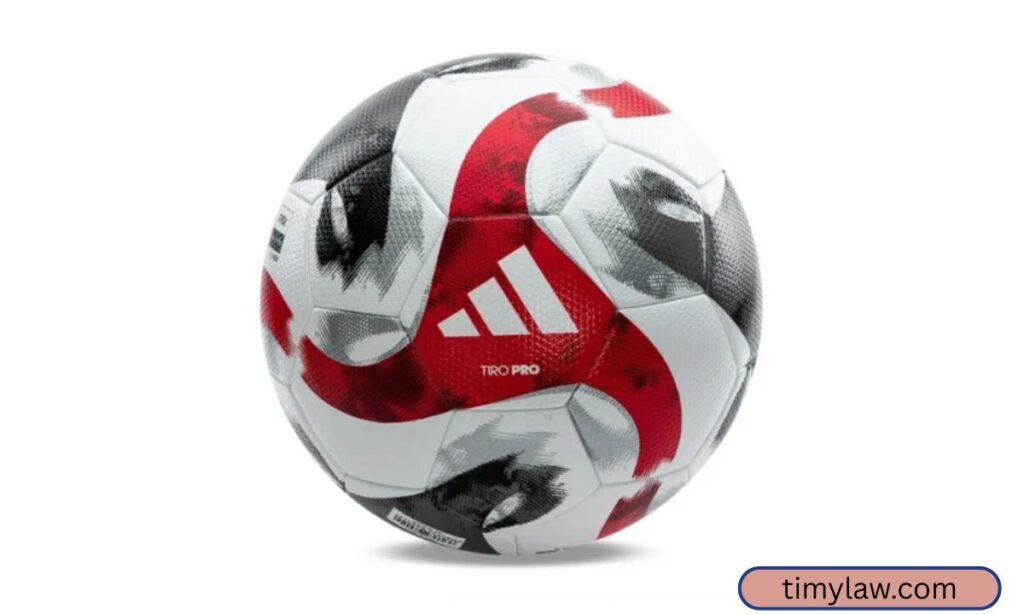
A real match ready size 5 soccer ball weight sits between 14.8 and 15.7 ounces, or 410 to 450 grams. This size gets used at every level from youth leagues to professional matches once players are over twelve.
Anyone who has played soccer knows this weight by feel alone. It’s a great physical reference if you play sports or coach a team.
Water Polo Ball (Men’s)
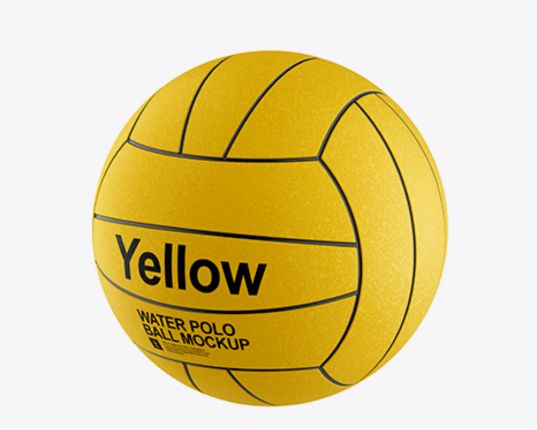
The men’s water polo ball weight falls between 14.1 and 15.9 ounces, so it lines up closely with the soccer ball. Swimmers and players get used to this heft fast since it needs to be thrown with real force through water.
This ball has stayed roughly the same weight for decades, which says a lot about how well the original design worked.
Large Coffee Mug
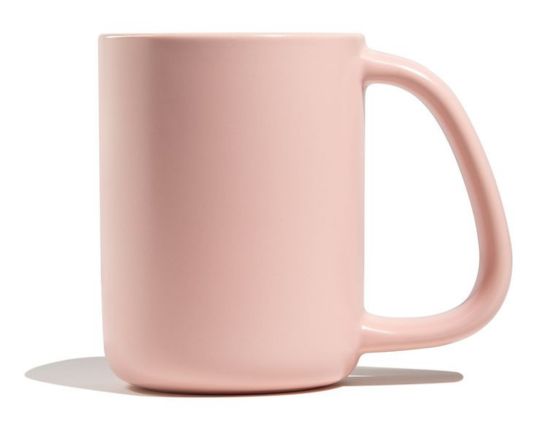
An empty oversized large coffee mug often weighs between 15 and 18 ounces before you even pour anything into it. Add your morning coffee and the total climbs closer to 30 ounces.
If you own one of those big mugs from the office or your favorite coffee shop, you already know this feeling. It’s comforting in a strange way, almost like holding a warm little brick.
Beverage Tumbler (Empty)

An empty beverage tumbler built to hold 15 to 20 ounces usually weighs somewhere between 10 and 15 ounces on its own. Double walled insulated versions tend to land right around 15 ounces exactly.
Commuters carry these daily, which makes them one of the most familiar things that are 15 ounces without anyone even realizing it.
Pint Glass (Nearly Full)
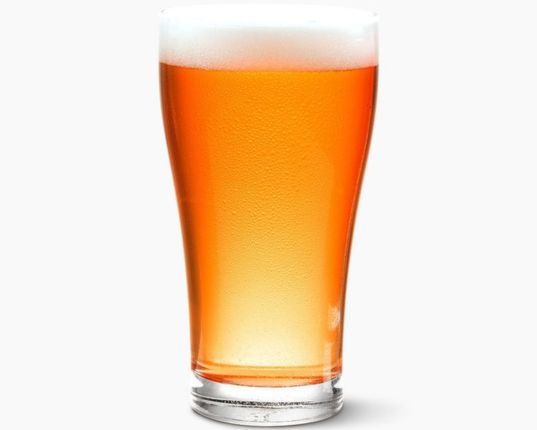
A standard 16 ounce pint glass filled with 15 ounces of liquid gives you almost this exact weight, since the liquid itself does most of the work. The glass barely adds anything on top.
Bartenders deal with this pour constantly, and it’s a useful reference if you ever want to guess liquid weight at a party.
ALSO READ THIS BLOG: 14 Daily-Use Items That Weigh 10 Grams
Can of Tomato Sauce
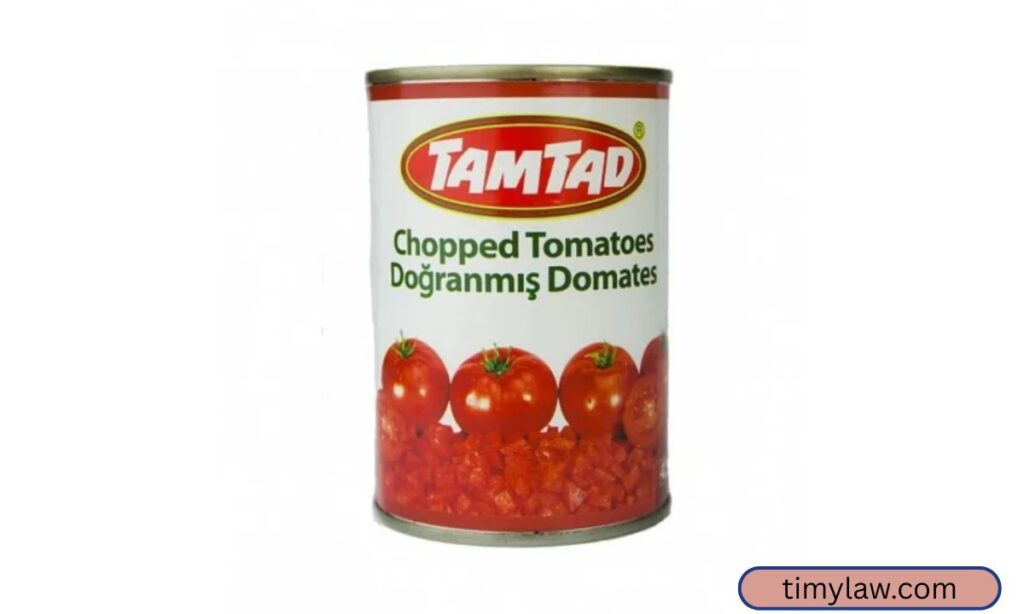
A tomato sauce can almost always comes in at 15 ounces, which happens to be the perfect amount for a standard pasta or pizza recipe. Recipe writers rely on this size so heavily that it barely needs explaining anymore.
This is one of those food packaging weights that quietly shaped how millions of recipes get written.
Large Smartphone with Heavy Case

A big smartphone with case combo often lands between 14 and 17 ounces total. Phones alone usually weigh 6 to 8 ounces, and a thick protective case adds several more ounces on top.
If your phone feels noticeably heavier than it used to, there’s a good chance the case is doing exactly what it’s supposed to.
Can of Chili
A can of chili typically weighs 15 to 15.25 ounces, giving you a filling single serving or a solid starter for a bigger pot. It’s one of the most grabbed items during busy weeknights.
This size hits that perfect balance between enough food and not too many leftovers sitting in the fridge.
Standard Jar of Peanut Butter

A smaller jar of peanut butter, the kind made for single households, often weighs close to 15 to 16 ounces including the glass or plastic jar itself. It’s smaller than the family size jar but still gives you plenty of servings.
This is a great kitchen reference since most people already have one sitting in their cabinet right now.
Small Hardcover Book
A compact hardcover book, especially fiction under 300 pages, frequently weighs right around 15 ounces once you include the cover and binding. Paperbacks are lighter, but hardcovers add noticeable weight.
If you’ve got a small hardcover nearby, pick it up and you’ll feel this measurement instantly.
15 Ounces Without a Scale
Sometimes you just need a gut check without digging out a scale. These four references make that easy.
Standard Can of Soup or Beans
Grab any tall can of soup, beans, or vegetables from your shelf and you’re holding almost exactly 15 ounces. It’s cool, solid, and instantly recognizable once you’ve held it a few times.
Regulation Soccer Ball (Size 5)
Bounce a size 5 soccer ball in your hands and you’re feeling this 15 oz weight comparison in action. The firm, round shape makes it easy to remember later.
Large Oversized Ceramic Coffee Mug (Empty)
Pick up your biggest empty mug and notice how solid it feels before you even add coffee. That heft is your 15 ounce reference object for future guessing games.
Just Under a Full Pound
Picture one full pound, then mentally shave off a single ounce. That small gap is basically the entire story behind why this weight feels so close to a pound but not quite there.
15 Ounces Matters in Everyday Life
Understanding real life examples of 15 ounces actually helps in small practical ways. Grocery shopping gets faster once you recognize standard can sizes on sight.
Cooking gets easier too, especially when a recipe calls for a 15 ounce can and you need to swap in fresh ingredients instead. Parents shopping for youth soccer gear also benefit from knowing this exact ball weight before buying.
Even coffee lovers benefit, since understanding mug and tumbler weights helps you pick containers that feel right in your hand instead of guessing blind at the store.
Conclusion
Fifteen ounces shows up more often than most people realize, tucked into soup cans, soccer balls, coffee mugs, and even the phone in your pocket. Once you know how heavy is 15 ounces feels in your hand, you’ll start spotting it everywhere without even trying.
Next time you’re shopping, cooking, or picking sports gear, you’ll have a real physical sense of what this weight means. That’s the whole point of learning common things that weigh 15 ounces, turning an abstract number into something you can actually feel and use.

Henry Brooks is the founder and lead writer behind TimyLaw, a trusted online resource dedicated to making measurements simple, accurate, and easy to understand. With a passion for turning complex dimensions, weights, lengths, and size comparisons into practical guides, Henry helps readers find real-world measurement answers quickly. Through TimyLaw, he creates well-researched, user-friendly content that explains everyday measurements using relatable examples, helping students, professionals, and curious readers make sense of sizes, distances, and weights with confidence. His goal is to provide clear, reliable, and engaging measurement content that makes learning both useful and enjoyable.