15 Things That Measure 50 Feet Long or Are Big
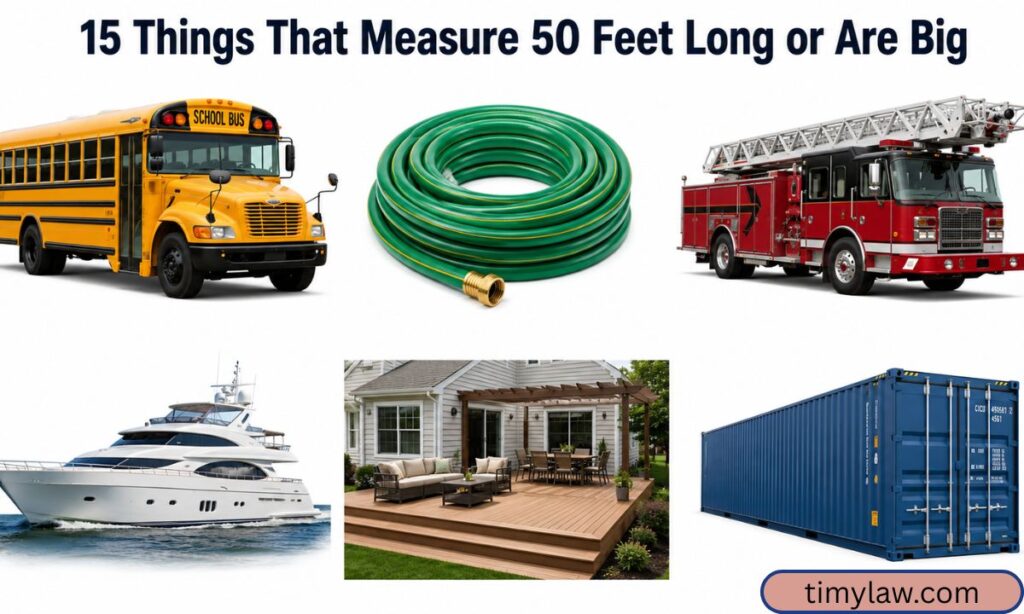
Ever tried to measure 50 feet and had no tape measure nearby? You are not alone. Most people struggle to picture this distance in their head. But once you know the right references, you will never feel lost again.
Fifty feet is bigger than it sounds. It is roughly the length of a school bus, five compact cars lined up, or a four-story building standing tall. Knowing common things that are 50 feet long makes distance estimation easy and practical.
Quick Conversion
Before we dive in, here is a quick breakdown so you can measure 50 feet in any unit you need.
| Unit | Value |
| Yards | 16.67 yards |
| Meters | 15.24 meters |
| Inches | 600 inches |
| Miles | 0.0095 miles |
These numbers come in handy for outdoor space planning, real estate listings, and construction measurements every single day.
How Long Is 50 Feet?
So how long is 50 feet exactly? Think about nine to ten adults lying head to toe in a straight line. That is your answer right there. It is also close to the school bus length you see picking up kids every morning.
Walking this distance takes around 17 to 20 seconds at a normal pace. It feels short when you walk it, but when you look back, it is a solid stretch of ground. This is why so many property dimensions and safety guidelines use 50 feet as a key number.
Once you connect this distance to real-life examples of 50 feet, your brain locks it in forever. You stop guessing and start knowing.
Things That Measure 50 Feet Long Or Big
Olympic Swimming Pool (Half Length)

An Olympic swimming pool length runs 50 meters, which is about 164 feet total. Half of that is roughly 82 feet. But here is the thing, many community and residential lap pools are built at exactly 50 feet. They are designed that way on purpose for practical training space.
If you picture a lap pool at your local gym or neighborhood club, you are already picturing something close to 50 feet long. Competitive swimmers who train at home often use these objects around 50 feet long as their daily lane. It is a smart and accessible reference.
Semi-Truck (Without Trailer)
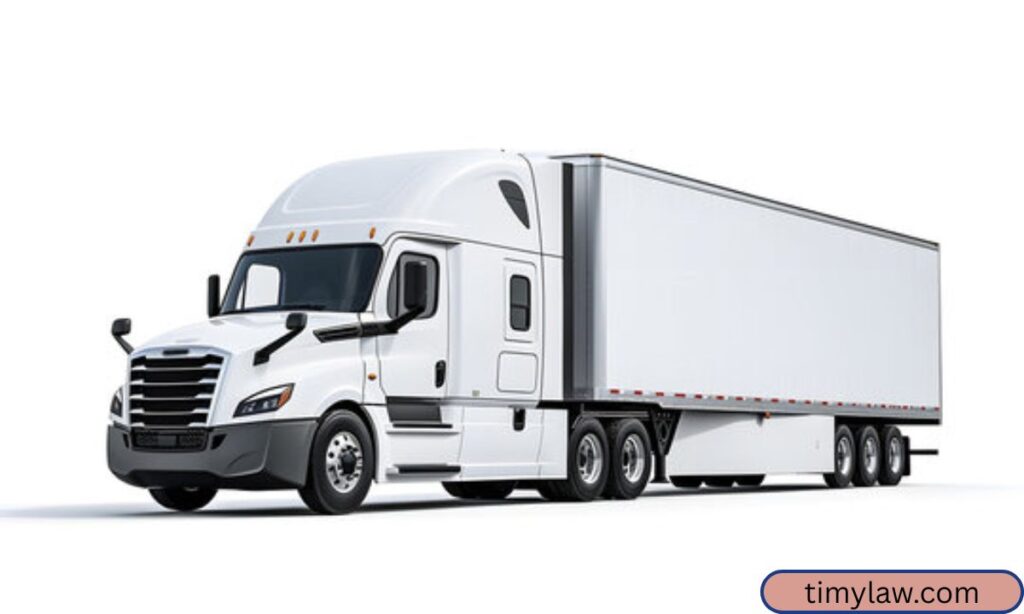
The semi truck length without a trailer attached sits right around 45 to 50 feet. That massive cab and chassis you see on highways every day? That alone is nearly 50 feet of steel and engine. Add a trailer and you are well past 70 feet.
This is one of the best 50 foot reference objects you can spot in the wild. Next time a semi rolls past you at a rest stop, you are looking at a real-life example of this measurement. Truckers live with these vehicle dimensions daily without even thinking about it.
School Bus (Slightly Longer)
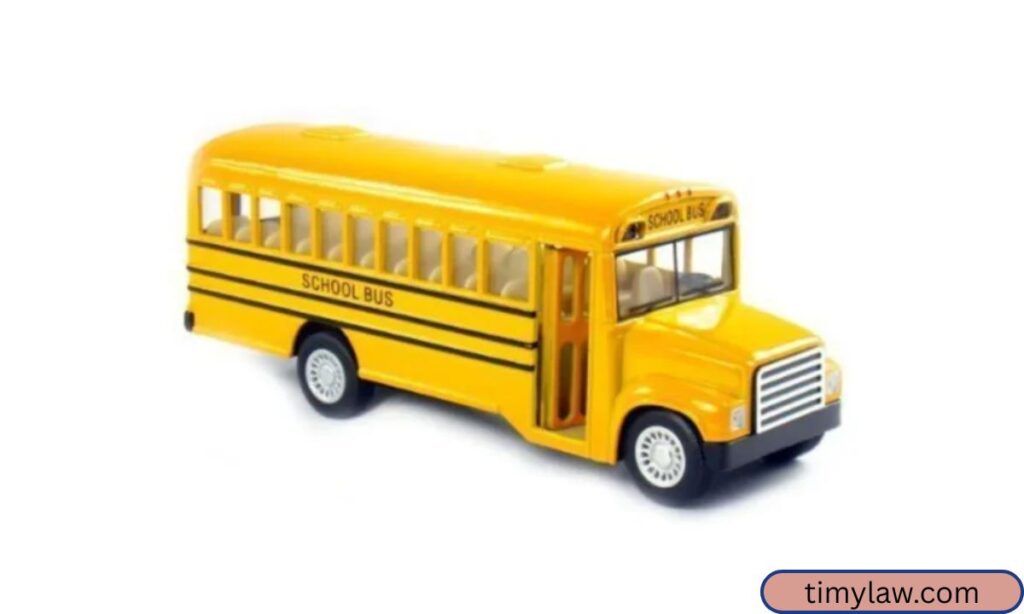
A standard full-size school bus length runs between 35 and 40 feet. So 50 feet is just about 25 percent longer than the big yellow bus. Picture a school bus and then tack on a small car at the back. Now you have 50 feet.
This is one of the most relatable everyday objects that measure 50 feet because almost everyone has stood next to a school bus at some point. It is a familiar, easy mental picture. Use it every time you need to visualize 50 feet distance on the spot.
Five Average Cars (End-to-End)

Here is a fun car length comparison. A compact car like a Honda Civic or Toyota Corolla runs about 14 to 15 feet long. Line up five of them bumper to bumper and you land right at 50 feet. It is almost like they were designed for this.
This trick works perfectly in parking lots. Look down a row of five compact cars and you have your length comparison example right in front of you. It is one of the fastest ways to measure 50 feet without any tools at all.
Garden Hose (Standard Length)
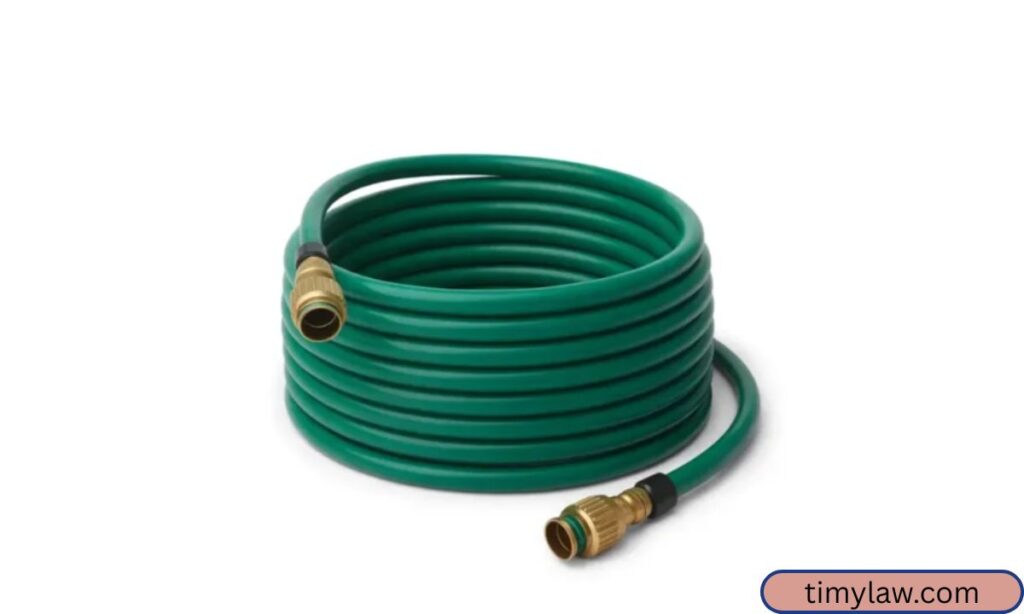
The most popular garden hose length sold at hardware stores is exactly 50 feet. It is not a coincidence. Most suburban yards need about that much hose to reach every corner from a single outdoor spigot. Homeowners buy these by the millions every year.
The next time you unroll a hose in the backyard, you are holding a practical measurement guide in your hands. It reaches cars, flower beds, and side yards with ease. It is one of the most underrated everyday distance references hiding in plain sight.
Four-Story Building (Approximate)

Four-story building height lands right around 48 to 50 feet when you account for each floor running about 12 feet tall. Commercial buildings hit this number almost exactly. Residential ones with 10-foot ceilings come in just under.
Look up at any four-story apartment or office building in your city and you are seeing 50 feet of height stacked up. This is one of the clearest vertical real-life examples of 50 feet you can find anywhere in urban environments. It snaps the number into perspective fast.
Bowling Lane (Most of Length)
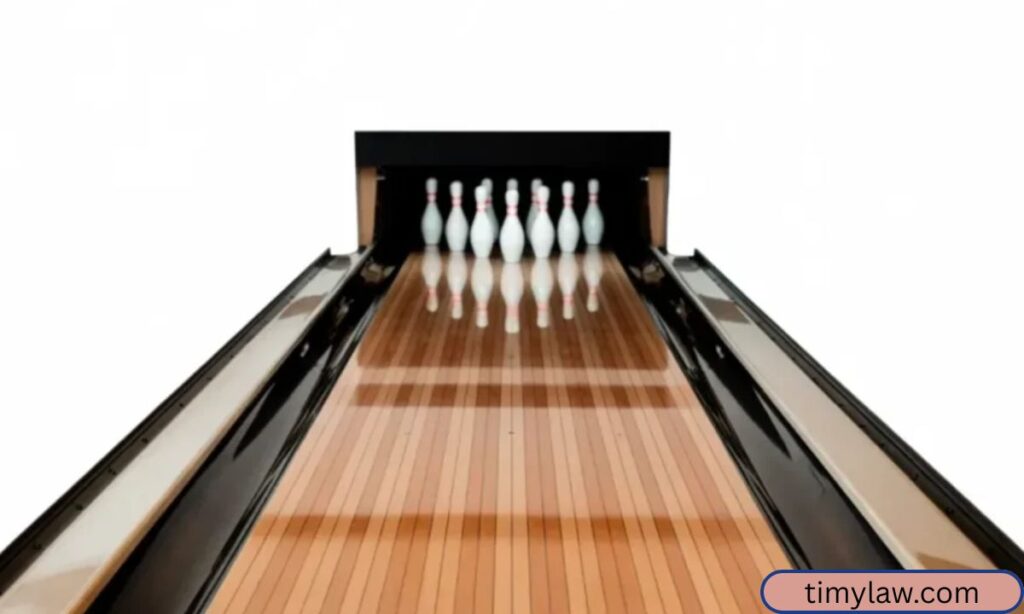
Bowling lane dimensions run 60 feet from the foul line to the headpin. So 50 feet covers about 83 percent of that lane. If you bowl, you already have this distance wired into your brain from hours of standing at the line.
Think about where the ball is rolling when it is just past the arrows on the lane. That is roughly the 50-foot mark. It is a great sports-based reference for anyone who wants to visualize 50 feet distance in a fun and memorable way.
Fire Truck Ladder (Extended Partially)
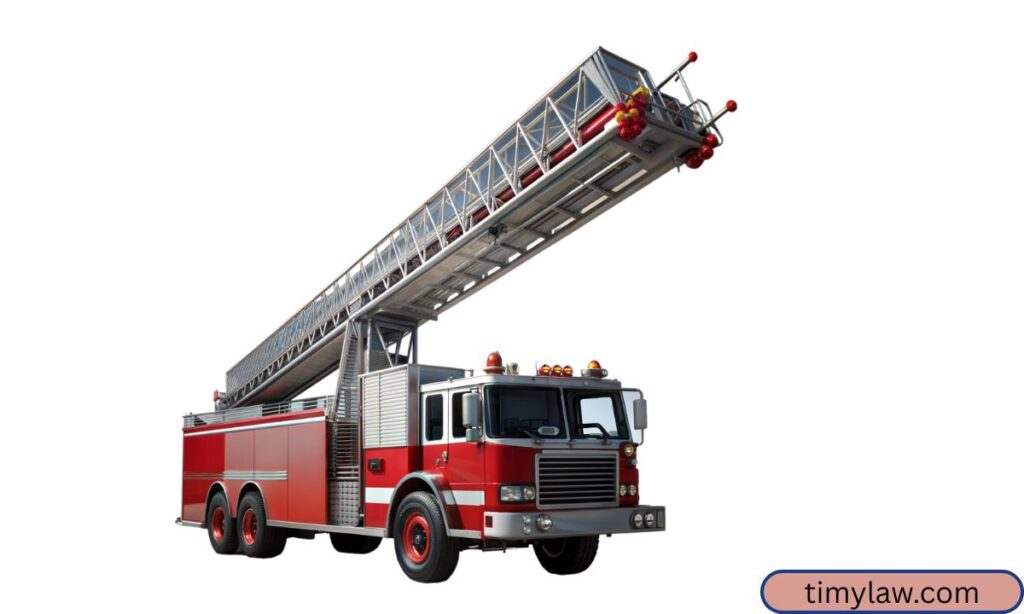
Fire truck aerial ladders stretch from 75 to 100 feet when fully extended. At 50 feet, the ladder is only partially out, reaching about the third or fourth floor of a building. Firefighters use this position regularly during residential calls.
The fire truck ladder length at 50 feet is a powerful image because it represents real emergency use. It is not just a measurement, it is a life-safety tool operating at a specific height. This makes it one of the most striking objects approximately 50 feet long in any neighborhood.
Yacht or Sailboat (Mid-Size)
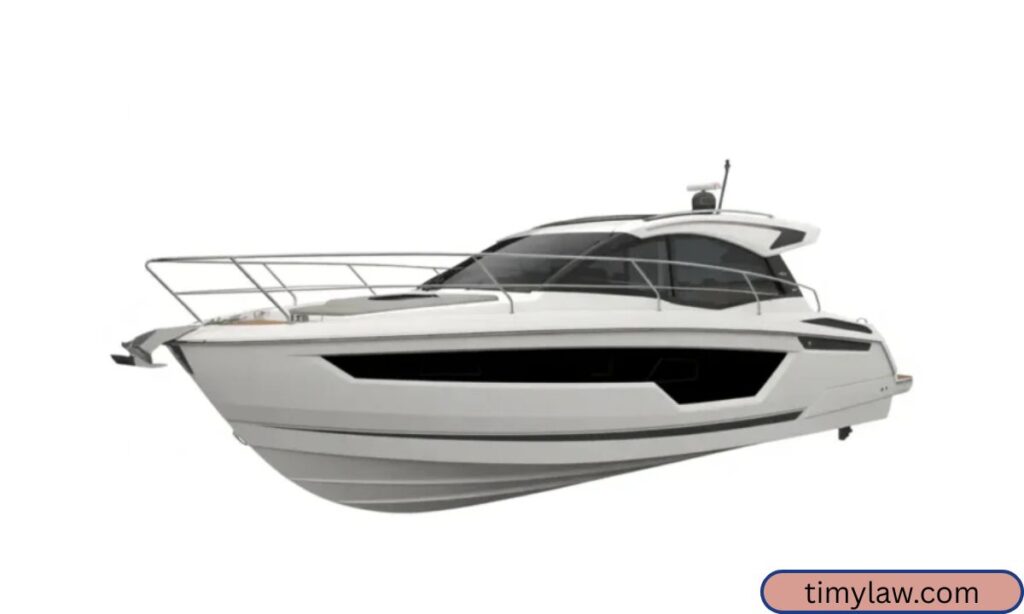
A mid-size yacht size or sailboat length sits comfortably between 45 and 55 feet. The 50-foot mark is considered a sweet spot in the boating world. These vessels are large enough for ocean crossings but manageable for a small crew.
Marina slips built for 50-foot boats are premium spaces that cost serious money. If you have ever walked a dock and seen one of these boats tied up, you have seen 50 feet up close. It is a striking and elegant real-life example of 50 feet that is hard to forget.
Ten Adults (Head-to-Toe)
The average adult stands between 5 and 5.5 feet tall. Line up ten people lying flat on the ground head to toe and you get almost exactly 50 feet. It sounds silly but it works perfectly as a quick human reference.
This is one of the most accessible ways to measure 50 feet without any equipment. You just need people. Groups use this trick for demonstrations, games, and even emergency situations. Your own body becomes a practical measurement guide anytime you need one.
Residential Deck or Patio
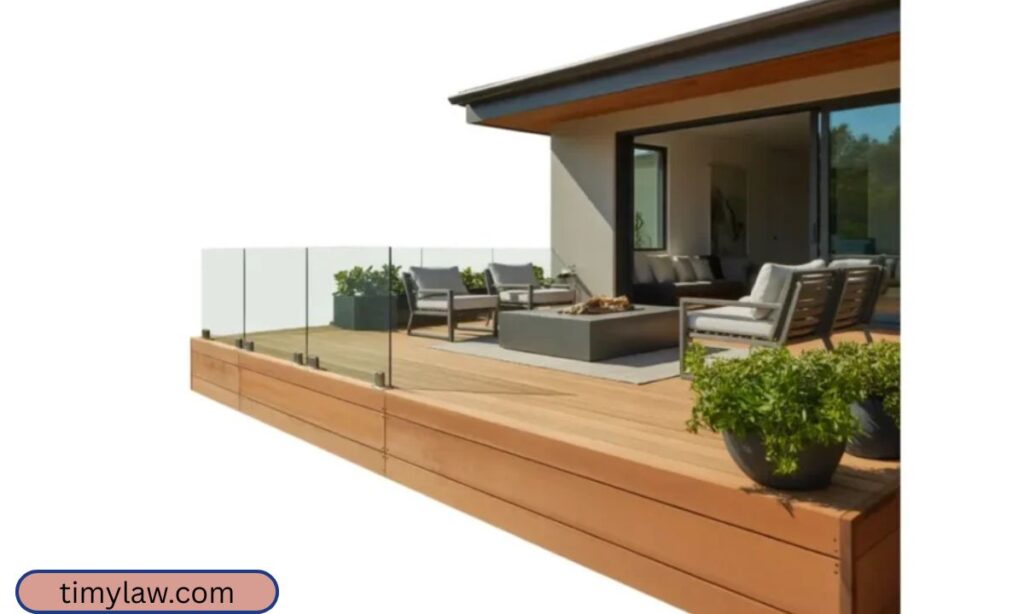
Large backyard decks are often built at 20 by 50 feet or 25 by 50 feet. The 50-foot length gives homeowners enough room for dining sets, lounge chairs, grills, and open walking space all at once. Residential deck size at 50 feet is a sign of a serious outdoor living space.
Deck contractors plan these building measurements carefully to match property lines and setbacks. If you have a neighbor with a long wraparound deck, there is a good chance one side is close to 50 feet. It is a great outdoor space planning reference that shows up constantly in suburban neighborhoods.
Small Footbridge
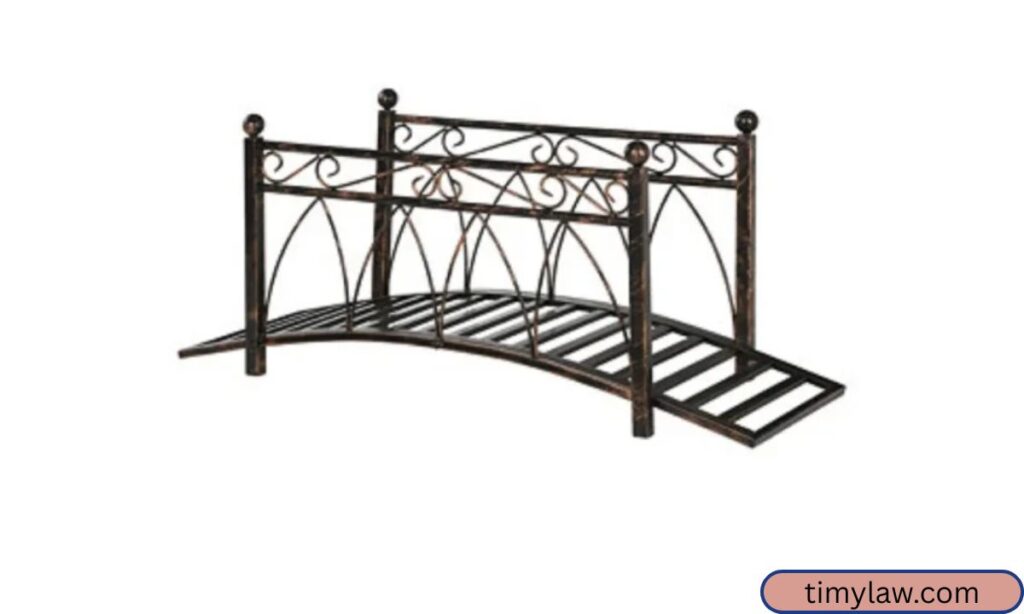
Footbridge length for pedestrian bridges over small creeks and ravines often falls between 40 and 60 feet. The 50-foot span is a standard size for parks, private estates, and trail systems. These bridges are built to cross exactly the kind of small water features that show up in residential areas.
Landscape architects and engineers treat 50 feet as a go-to span for small crossings. The next time you walk across a small wooden or steel bridge in a park, measure it in your head. There is a solid chance you are walking across something very close to 50 feet.
ALSO READ THIS ARTICLE:14 Daily-Use Items Measuring 8 Inches Long
Extension Cord (Heavy-Duty)
Extension cord length comes in standard sizes: 25, 50, 75, and 100 feet. The 50-foot version is the most popular among contractors and homeowners alike. It reaches far enough for most jobs without becoming a tangled mess on the ground.
These bright orange cords are everywhere on job sites and in garages. They are one of the most hands-on everyday objects that measure 50 feet you can actually hold and stretch out yourself. If you own one, go unroll it in your backyard and feel the distance firsthand.
Large Shipping Container (About 50 Feet Long)
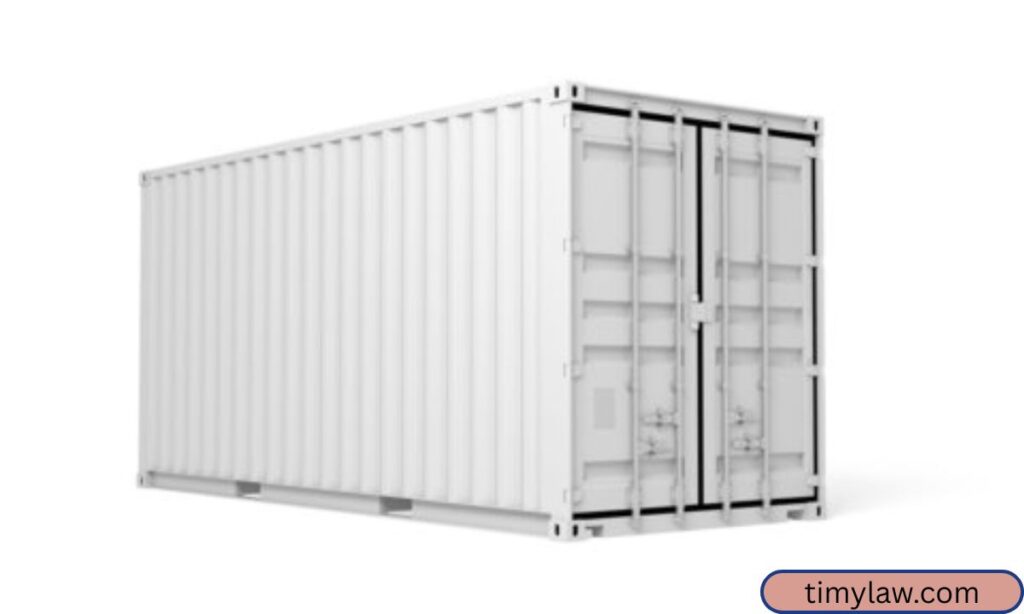
Standard shipping containers come in 20-foot and 40-foot sizes. But specialized flatbed and tank containers stretch to 48 or 53 feet, landing right in the 50-foot zone. These steel giants are used globally for freight and construction measurements on large projects.
You see them stacked at ports, riding on rail cars, and parked at warehouses. A 50-foot container is a massive steel rectangle that gives you an immediate sense of scale. It is one of the most industrial and unforgettable 50 foot reference objects you can spot in everyday life.
Standard Telephone Pole (Approximate Height)
Most utility and telephone poles stand between 35 and 50 feet tall depending on location and use. Rural poles often reach the full 50 feet to clear trees and terrain. These wooden structures are part of nearly every road and neighborhood in the country.
The next time you drive past a tall telephone pole on a rural highway, you might be looking at something very close to 50 feet high. It is one of those objects around 50 feet long that blends into the background until you really start paying attention. Once you notice it, you see it everywhere.
50 Feet Without Measuring
School Bus + 25% More
Picture a standard school bus in your mind. Now stretch it out by about one quarter of its length on the back end. That mental stretch lands you almost exactly at 50 feet. It is a quick trick that works anywhere you spot a bus.
Five Compact Cars End-to-End
Park five compact cars bumper to bumper in your head. Each one runs about 14 to 15 feet. Five of them together gives you your 50-foot reference instantly. This works great in parking lots and driveways.
Four-Story Building Height
Tilt your eyes upward at any four-story building and remember that each floor is about 12 feet. Stacking four floors gives you right around 48 to 50 feet of vertical height. It is one of the best ways to measure 50 feet without looking down at the ground.
17-20 Seconds of Normal Walking
Walk at your normal relaxed pace and count to 17 or 20 seconds. You will cover about 50 feet in that time. It is the simplest possible body-based measurement you can do anywhere, anytime, with zero tools.
50 Feet Matters in Everyday Life
Knowing how to measure 50 feet without a tape measure is more useful than most people realize. Real estate listings often mention lot setbacks and yard depths in feet. When you can picture 50 feet clearly, you make smarter decisions about property dimensions and outdoor space.
Safety rules also lean on this number heavily. Fire clearance zones, emergency vehicle access lanes, and utility easements all commonly reference 50-foot distances. Knowing this measurement keeps you aware and informed in situations that actually matter.
Outdoor space planning gets a whole lot easier when you can estimate this distance on the fly. Whether you are planning a fence line, an irrigation system, or a garden path, 50 feet is a number that comes up again and again in landscaping and building measurements.
Conclusion
From swimming pool length to telephone pole height, the world around you is full of things that measure 50 feet. You just need to know where to look and what to compare.Now that you have 15 clear and relatable real-life examples of 50 feet, you will never stand somewhere scratching your head about this distance again.
Use the school bus trick, count five compact cars, or just walk for 18 seconds. All roads lead to 50 feet.Keep these everyday distance references in your back pocket. They will save you time, help you plan smarter, and make you the person in the room who actually knows how big things are.

Henry Brooks is the founder and lead writer behind TimyLaw, a trusted online resource dedicated to making measurements simple, accurate, and easy to understand. With a passion for turning complex dimensions, weights, lengths, and size comparisons into practical guides, Henry helps readers find real-world measurement answers quickly. Through TimyLaw, he creates well-researched, user-friendly content that explains everyday measurements using relatable examples, helping students, professionals, and curious readers make sense of sizes, distances, and weights with confidence. His goal is to provide clear, reliable, and engaging measurement content that makes learning both useful and enjoyable.