12 Common Things and Distances That Are 20 Meters Long
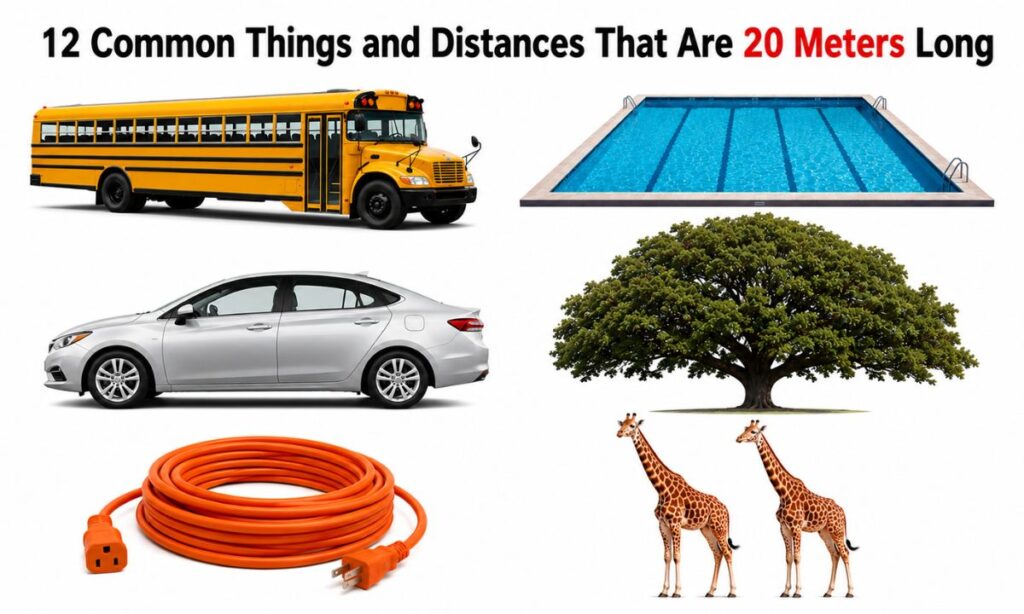
Twenty meters is one of those distances that sounds small on paper but feels a lot bigger once you actually picture it. If you have ever wondered how far 20 meters really is, you are not alone. This guide breaks it down using things you already see every day, so you never have to pull out a tape measure again.
Whether you are planning a backyard project, trying to picture a sports field, or just curious about everyday length comparison, this article gives you a practical measurement guide that actually makes sense. No confusing charts, no boring numbers, just real examples you can picture right away.
How Long Is 20 Meters?
20 meters in feet comes out to about 65.6 feet. In 20 meters in yards, that is roughly 21.9 yards, and in 20 meters in inches, you are looking at close to 787 inches.
If you like round numbers, think of 20 meters in centimeters as 2,000 centimeters flat. In 20 meters in kilometers, it is just 0.02 km, a tiny slice of a full kilometer walk.
Most adults can walk this distance in about 20 to 30 seconds at a normal pace. It is short enough to feel quick but long enough that you notice the space, which makes it a great distance reference for everyday planning.
Quick Conversion
Here is a simple imperial conversion chart so you never have to do the math yourself.
- 20 meters = 65.62 feet
- 20 meters = 787.4 inches
- 20 meters = 21.87 yards
- 20 meters = 2,000 centimeters
- 20 meters = 0.02 kilometers
Keep this distance conversion handy any time you need a fast answer for a project or a school assignment.
Things and Distances That Are 20 Meters Long
These real world examples turn an abstract number into something you can actually picture. Once you read through a few of these, 20 meters will stick in your head for good.
Two School Buses (End-to-End)
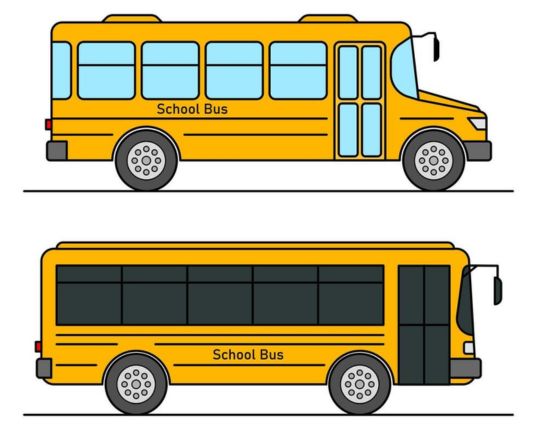
A regular school bus runs about 9 to 11 meters long. Line up two of them nose to tail and you land right around 20 meters, give or take a foot.
This is one of the easiest object size comparison tricks because almost everyone has seen a school bus up close. Picture two of them parked bumper to bumper next time you are at pickup.
Bowling Lane (Total Length)
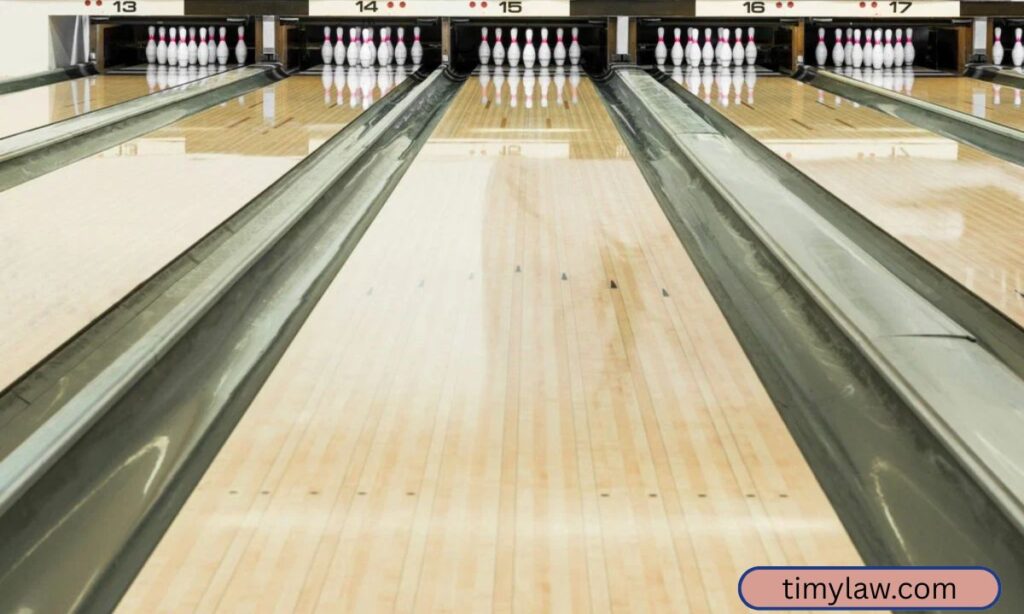
An official ten pin bowling lane measures 18.29 meters from the foul line to the head pin, based on official USBC specs. Add in the approach area where players take their steps before releasing the ball, and the full setup gets very close to 20 meters.
If you have ever stood at the foul line and stared down the lane, you already have a feel for this distance. It is one of the more fun sports dimensions to picture in real life.
Short-Course Swimming Pool (Width)
Pool widths vary depending on how many lanes a facility builds, but many short course competition pools use a width close to 20 meters to fit standard lane counts. This is different from pool length, which follows a fixed 25 meter rule.
Competitive swimmers spend hours training in pools built to these dimensions. It is a solid example of athletic facilities using this measurement on purpose.
Half a Basketball Court, Plus Buffer Space
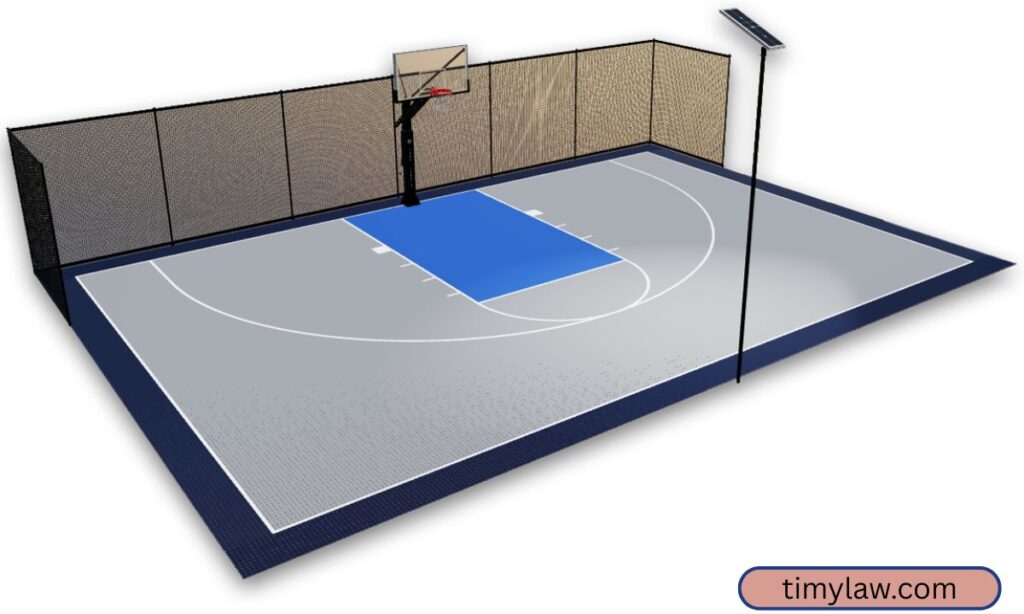
A full basketball court runs 28 meters long under FIBA rules, which puts the exact half court mark at 14 meters. Once you add the out of bounds space and safety buffer that most facilities include around the court, the total working area gets close to 20 meters.
This is a good reminder that real world spaces often need extra room beyond the official playing lines. Court designers plan for that buffer on purpose.
Tennis Court (Slightly Longer, Not Shorter)
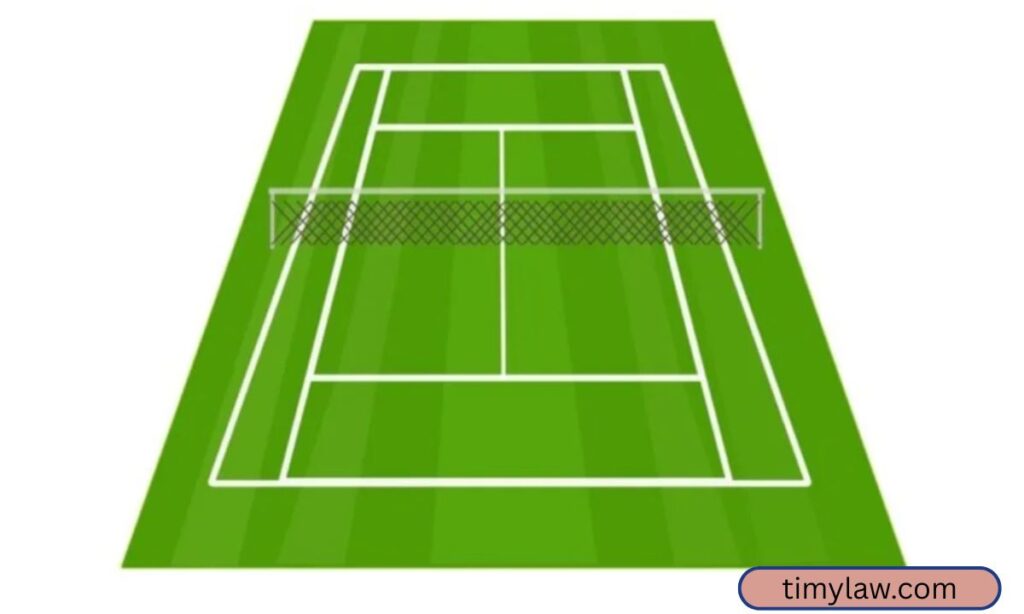
A full tennis court with doubles alleys measures 23.77 meters long under ITF rules. That actually makes it a bit longer than 20 meters, not shorter, so keep that in mind if you are picturing the comparison.
Still, it is close enough that standing at one baseline and looking toward the other gives you a strong feel for this length estimation. Just remember the court runs a few meters past the mark.
Four to Five Cars (Parked in a Row)

Most sedans and mid size cars run about 4.5 to 5 meters long. Line up four of them bumper to bumper and you get somewhere between 18 and 20 meters total.
This large everyday objects comparison works anywhere you see a parking lot or a row of street parking. It is one of the most relatable ways to picture 20 meters in a city setting.
READ MORE: 10 Things That Measure 2 Feet Long
Large Mature Oak Tree (Height)
Tall, fully grown oak trees can reach 15 to 25 meters in height, and plenty of them land right around 20 meters at full maturity. That kind of growth usually takes several decades.
Next time you walk past an old oak in a park, look straight up. That towering height is a natural, no equipment needed way to picture this distance.
Width of Eight Parking Spaces
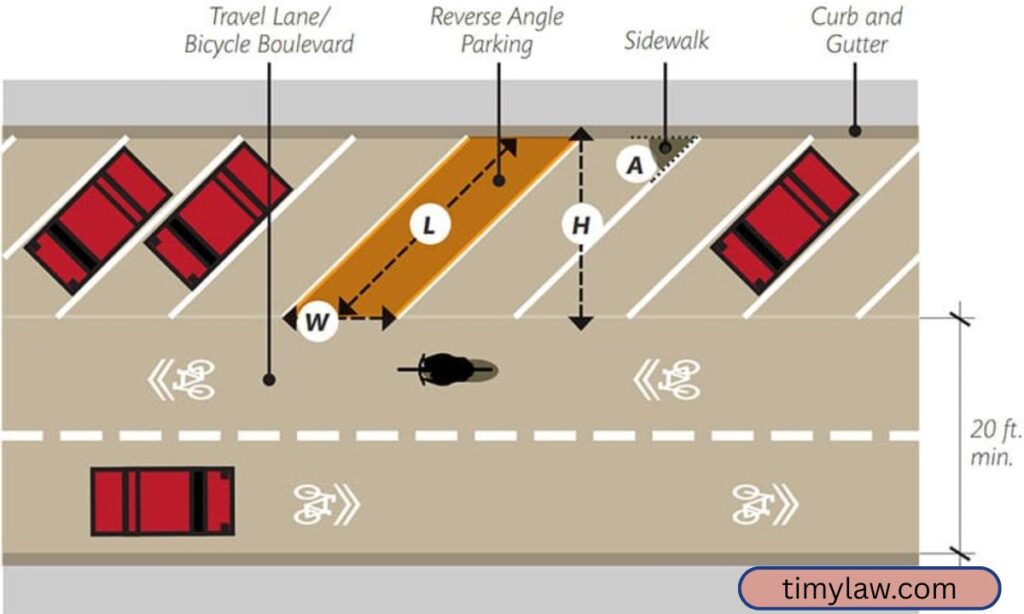
Standard parking spaces run 2.4 to 2.7 meters wide. Line up eight of them side by side and the total width lands close to 20 meters.
This is a handy one for anyone working on property measurements or planning a small lot layout. It shows the measurement working sideways instead of end to end.
One-Fifth of a Football Field
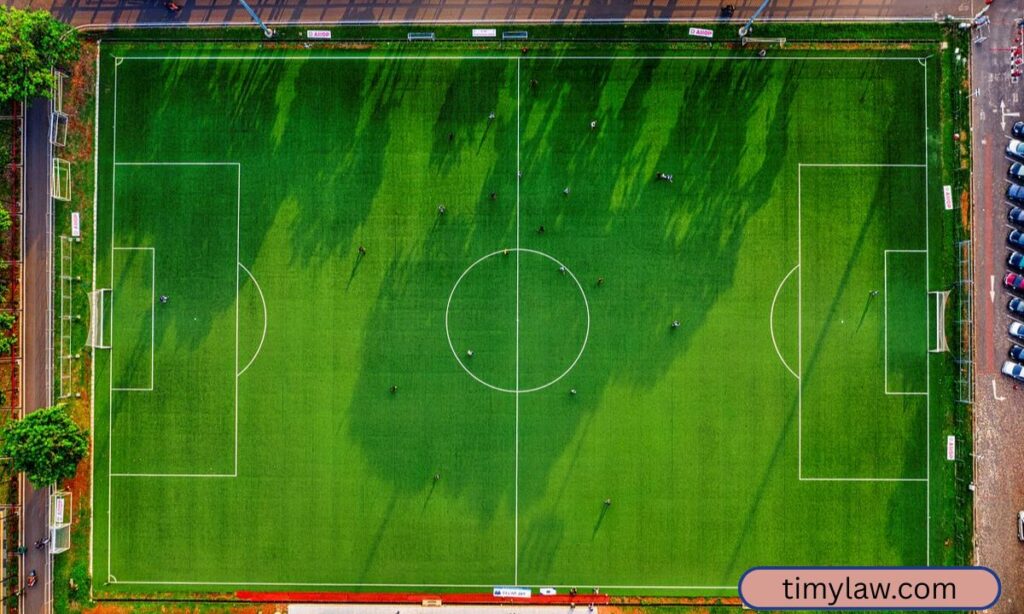
An American football field runs 91.44 meters from goal line to goal line. That means 20 meters covers roughly one-fifth, or about 22 percent, of the full field.
Football fans already have a built-in feel for field yardage from watching games. This gives you a quick mental shortcut using a football field comparison.
20-Meter Extension Cord
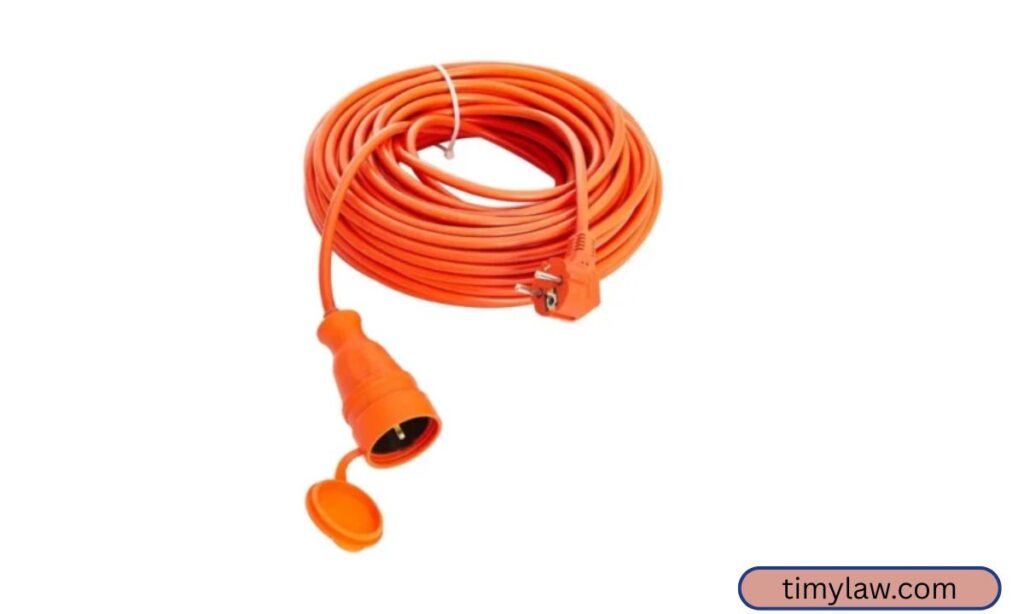
Heavy duty extension cords built for job sites and outdoor events commonly come in 20 meter lengths. Contractors like this size because it covers a wide work area without excess cord to coil up.
If you have ever used one of these on a construction site or at an outdoor event, you already know how much reach that length gives you.
Six Adult Giraffes (Nose-to-Tail)
An adult giraffe measures roughly 3 to 3.5 meters from nose to tail. Line up six of them in a row and you land close to 20 meters, which is a fun way to picture the distance using one of the tallest land animals around.
It sounds unusual, but comparisons like this stick in your memory a lot better than plain numbers do.
Two Standard Shipping Containers
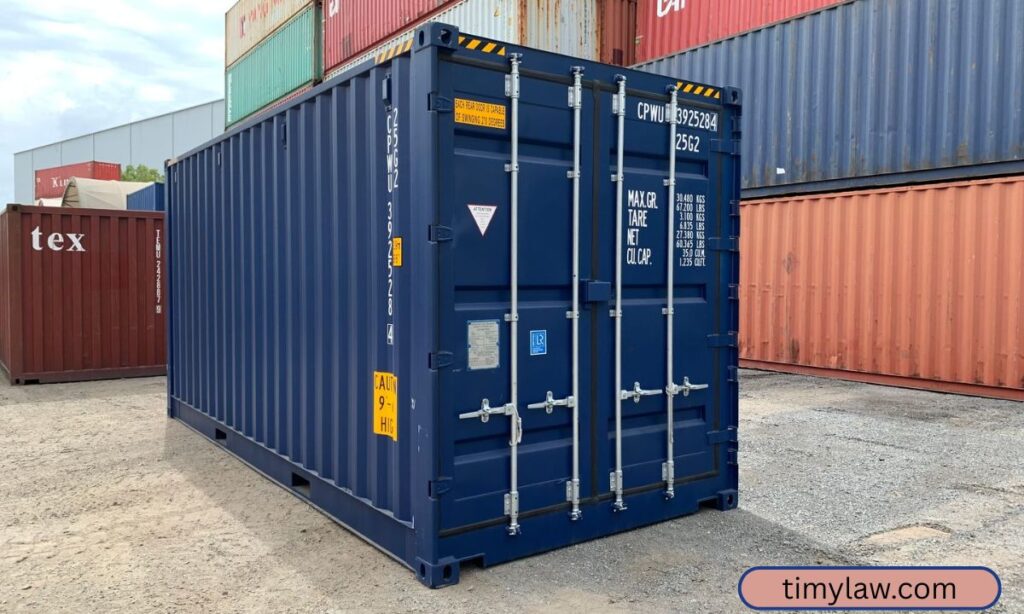
A standard shipping container used in global freight runs about 12 meters long for the large size, or 6 meters for the smaller version. Two of the larger containers placed end to end land close to 20 meters total.
Anyone who has driven past a shipping yard or port has seen these stacked containers up close, which makes this a strong construction length example for the trade world.
20 Meters Without Measuring
Sometimes you just need a fast way to visualize 20 meters without pulling out any tools. These simple tricks work anywhere.
Walk it out. Take 25 to 30 large adult steps in a straight line. Since the average stride runs about 0.7 to 0.8 meters, this gets you very close to 20 meters without any equipment.
Picture two school buses. As covered above, this remains one of the fastest ways to estimate 20 meters since almost everyone has seen a school bus in real life.
Think bowling lane. Standing at the foul line and staring down toward the pins gives your brain an instant sense of scale for this common length reference.
Count the cars. Four to five parked cars in a row is another go to trick, especially useful if you are standing in a parking lot with nothing else to measure against.
Why 20 Meters Matters in Everyday Life
Understanding this distance helps with more than trivia. Sports facility planners rely on accurate court and field sizing to meet official regulations, and knowing these numbers helps you understand why courts and lanes are built the way they are.
Construction workers use measuring distance skills daily when ordering cable, pipe, or lumber, since a wrong estimate can mean wasted materials or costly delays. A clear grasp of standard measurements like this one keeps a project on budget.
Property owners also run into this number through zoning rules. Many local governments use setback and buffer requirements close to 20 meters, so understanding this distance visualization trick can help during home projects or additions.
Even fitness training leans on this. A 20 meter sprint is a common length estimation drill used in speed and agility testing, so athletes and coaches use this exact distance regularly.
Conclusion
Twenty meters shows up more often than most people realize, from bowling lanes and parking lots to towering oak trees and shipping yards. Once you have a few solid real life size examples in your head, picturing this length becomes second nature.
Next time you need to estimate 20 meters without a tape measure, just think of two school buses, a short row of parked cars, or a quick 25 step walk. These simple object comparison tricks make an abstract number feel real, useful, and easy to remember.