How Big Is 2mm? 11 Common Items That Are 2mm In Size
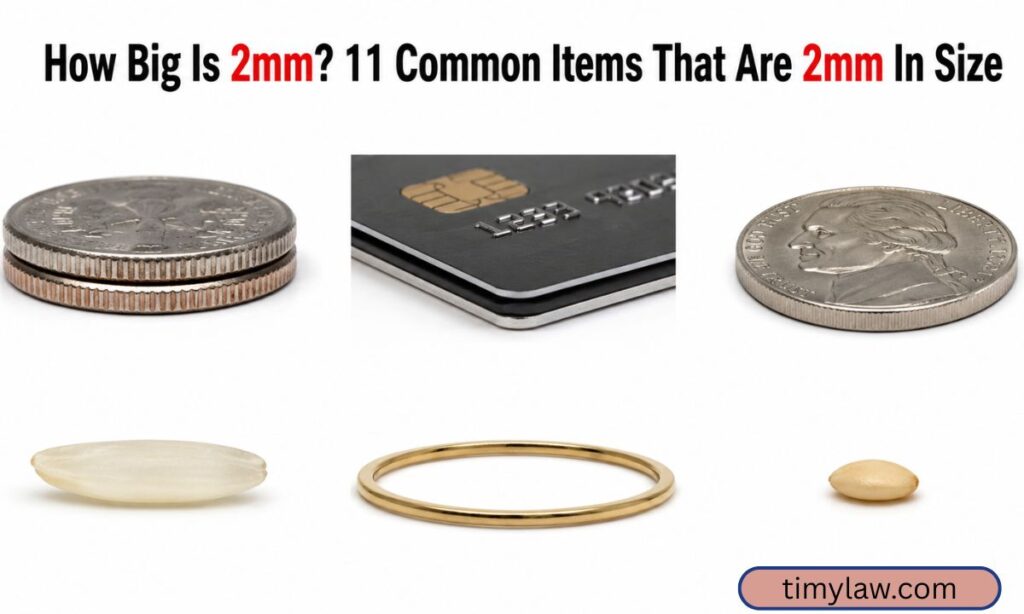
Ever squinted at a ruler trying to picture something 2mm in size? You are not alone. Two millimeters is one of those tiny numbers that sounds simple but is actually hard to picture without something real to compare it to.
Most rulers pack so many tiny lines together that 2mm just blurs into the crowd. Your eyes catch the number, but your brain never really grabs onto what it means in real life.
That is exactly why this guide exists. Below you will find everyday objects that are 2mm in size, so you never have to guess again, and you can skip the squinting for good.
How Big Is 2mm?
Two millimeters equals about 0.079 inches, or just under one twelfth of an inch. It is small, but not invisible. You can see it clearly, you just need something to hold next to it.
Think about your fingernail. The thin white edge at the tip is close to 1mm. Now double that thickness in your head. That doubled thickness is roughly 2mm in size, and now you have a built in ruler on your own hand.
This measurement shows up a lot more than people realize. Pencil leads, coins, jewelry posts, and tile spacers all lean on this exact 2mm measurement because it hits a sweet spot between strength and slimness.
Once you start noticing it, you will spot this size everywhere, from your junk drawer to your jewelry box. It is one of those numbers that quietly holds everyday products together.
Quick Conversion
Here is the fast millimeter to inch conversion so you do not have to do any math yourself.
- 2 mm = 0.079 inches
- 2 mm = 0.0066 feet
- 2 mm = 0.2 centimeters
- 2 mm = 0.002 meters
Keep this metric conversion handy any time you are shopping online and the listing only gives you millimeters. It saves you from ordering something way smaller or bigger than you expected.
Bookmark this section if you shop internationally a lot. Metric only labels trip people up constantly, and this quick chart clears up the confusion in seconds.
Common Things That Are 2mm In Size
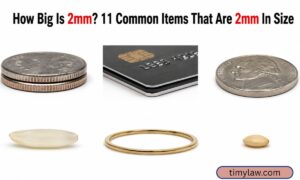
These are everyday objects measuring 2mm that you have probably touched today without even noticing. Each one gives you a different way to picture the same tiny number.
Two Stacked Dimes
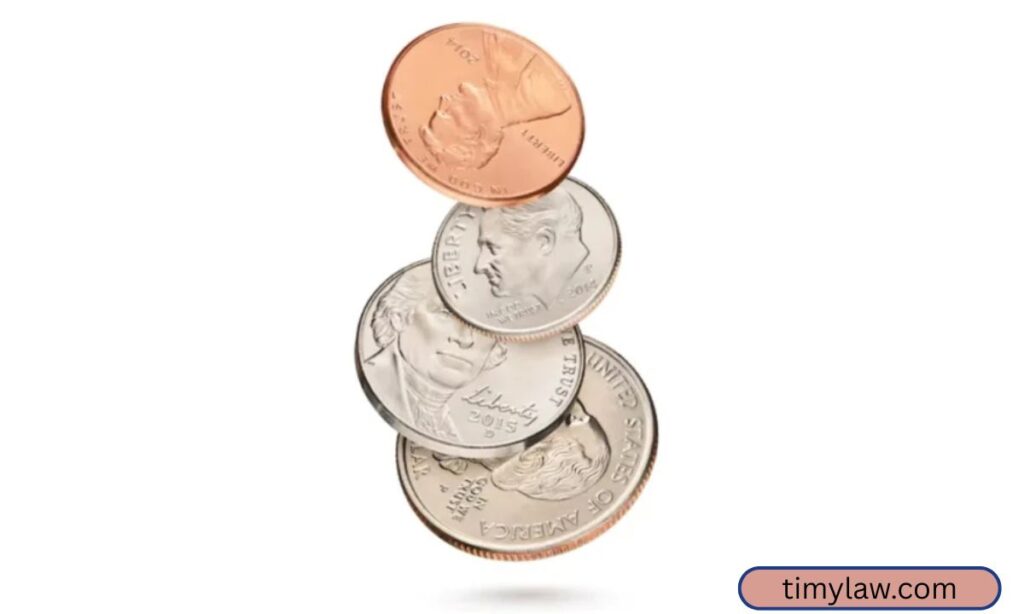
Grab two dimes from your pocket. Each one is about 1.35mm thick, so stacked dimes land around 2.7mm, which is close enough to feel like our target number.
This is one of the easiest 2mm comparison tricks out there since almost everyone has a dime lying around somewhere, whether it is in a car cupholder or a coat pocket.
Try it yourself right now if you have coins nearby. Feeling the thickness between your fingers sticks in your memory way better than just reading a number.
Mechanical Pencil Lead (2mm)
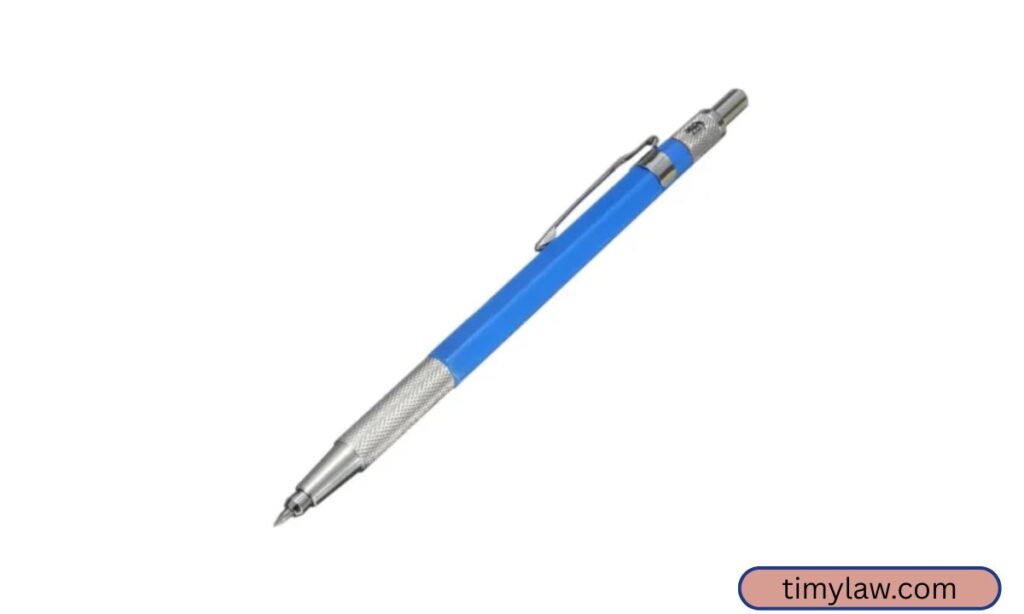
Old school drafting pencils use thick 2mm pencil lead, way chunkier than the thin 0.5mm or 0.7mm leads in regular mechanical pencils.
Architects and engineers still reach for this drafting pencil size because it holds up under pressure without snapping every five minutes during long project sessions.
If you ever took a drafting class in school, you probably remember these leads. They feel almost like a tiny crayon compared to the thin leads most people use today.
Two Credit Cards Stacked

A single card is about 0.76mm thick, so stacked credit cards at two high land near 1.5mm, just a touch under our mark.
Add a third card and you get closer to 2.3mm. Either way, your wallet is a surprisingly handy object size reference that you carry with you every single day.
Next time you are waiting in line somewhere, pull two cards out and press them together. It is a quick, private way to picture the size without anyone noticing what you are doing.
US Nickel Thickness
Here is a fun one. A US nickel measures 1.95mm, which is about as close as a single coin gets to being 2mm in size without any stacking needed.
Next time you are digging through change, pull out a nickel and just look at it edge on. That is your answer, right there in your hand, no extra coins required.
Coin collectors actually rely on exact numbers like this one all the time. It shows just how precise minting standards really are, even for something as ordinary as pocket change.
Small Grain of Rice
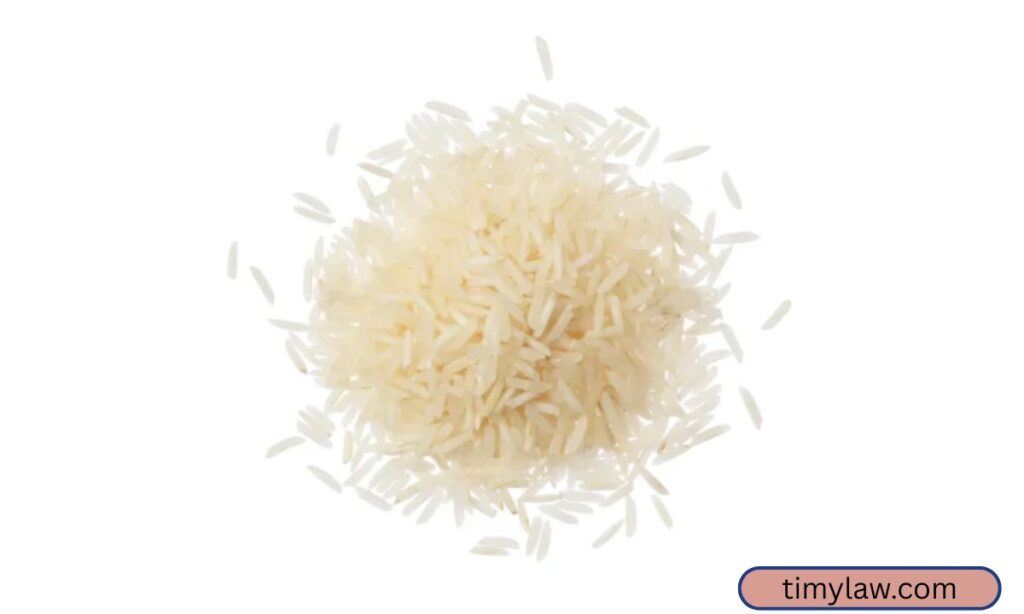
A grain of long rice is roughly 1.5 to 2mm wide. This grain of rice width gives you a food based way to picture the number, no ruler required.
It is a strange thought, sure, but next time you cook rice you will probably glance at a grain and think of this article, which honestly might make dinner a little more interesting.
Rice is such a common pantry item that almost everyone has a bag within reach. That makes it one of the most accessible 2mm examples on this entire list.
Thin Ring or Earring Post
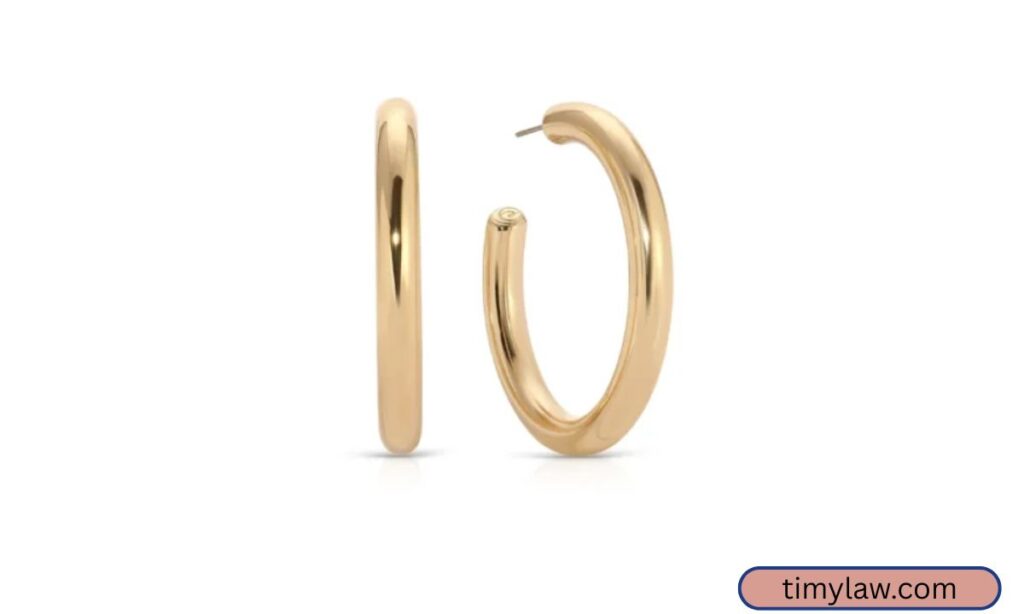
Jewelry makers use this number constantly. A typical earring post size or a slim ring thickness often lands right around 2mm.
That is part of why this size feels so familiar if you wear jewelry daily. It is thin enough to be comfortable, thick enough to last through years of wear.
If you have a jewelry box at home, dig out a thin band or a simple stud. Chances are good it sits close to this exact measurement without you ever checking the specs.
Tile Spacer (Small Size)
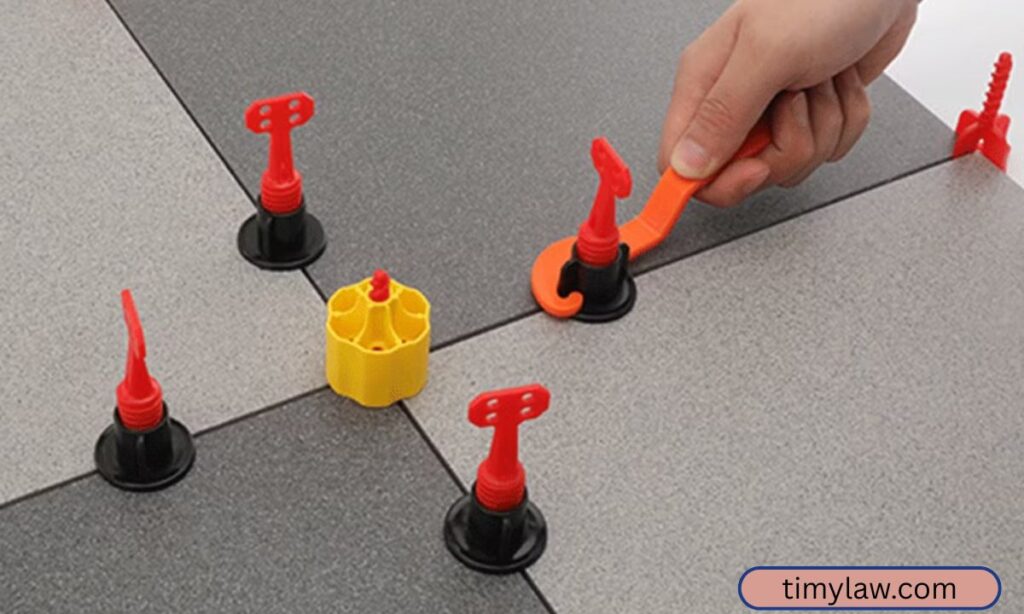
If you have ever watched someone lay bathroom tile, you have seen these little plastic crosses. A common tile spacer size is 2mm, used to keep grout lines tight and even.
Builders like this size because it gives a clean, modern look without the tile shifting during installation, which saves time and reduces mistakes.
Home improvement stores usually stock a few different spacer sizes side by side. Comparing them in person is a great way to actually feel this measurement with your own hands.
Approximately 20 Sheets of Paper
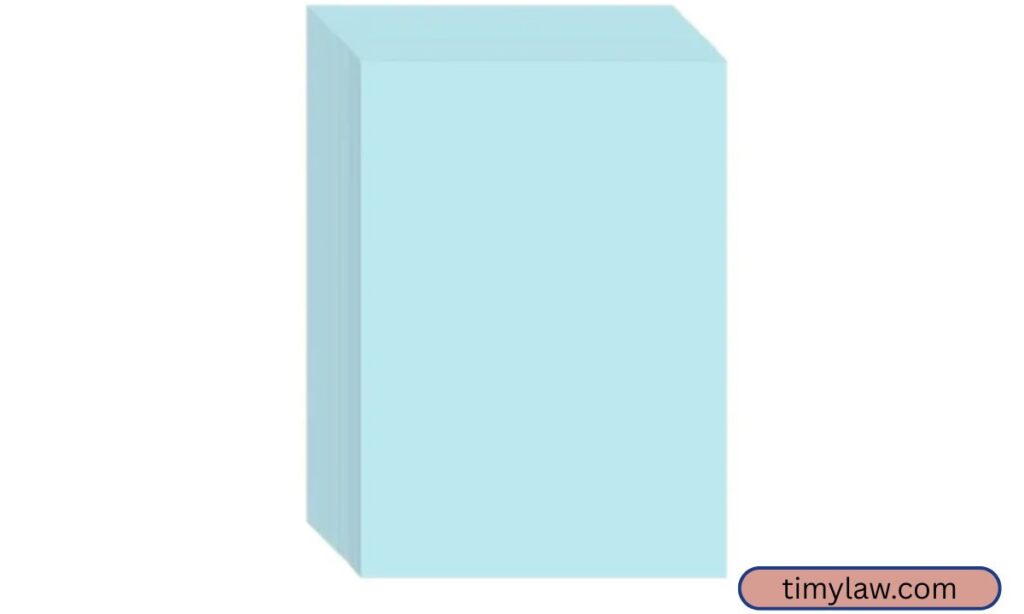
Regular printer paper thickness runs about 0.1mm per sheet. Stack around 20 sheets together and you get close to 2mm total.
Next time you print something, grab a small stack and feel how thin it is. Twenty sheets is barely anything, and that is exactly the point of this comparison.
This one works well in an office setting since paper is always within reach. It is an easy way to explain the measurement to coworkers without pulling out any tools.
READ MORE: 12 Common Things and Distances That Are 20 Meters Long
Smartphone Thickness (Thin Areas)

Most phones are 7 to 9mm thick overall, so this one is a stretch on its own. But pull off a thin case and check the slimmest edge areas, and you can get numbers that creep toward 2mm.
It is not a perfect match, but it shows how tight phone manufacturers pack components into a small space, squeezing batteries, cameras, and chips into razor thin bodies.
Next time your phone feels impossibly slim in your hand, remember that some of its edges are creeping close to this exact tiny number.
Sesame Seed Thickness

A single sesame seed is about 2 to 3mm long and noticeably thinner across its body, often landing close to 2mm.
Sprinkle a few on a table and look closely. It is a strange but oddly satisfying miniature dimensions example that most people have never stopped to consider.
Bakeries and kitchens go through thousands of these tiny seeds without anyone thinking twice about their size. Now you have one more reason to look a little closer next time.
Standard Matchstick Thickness
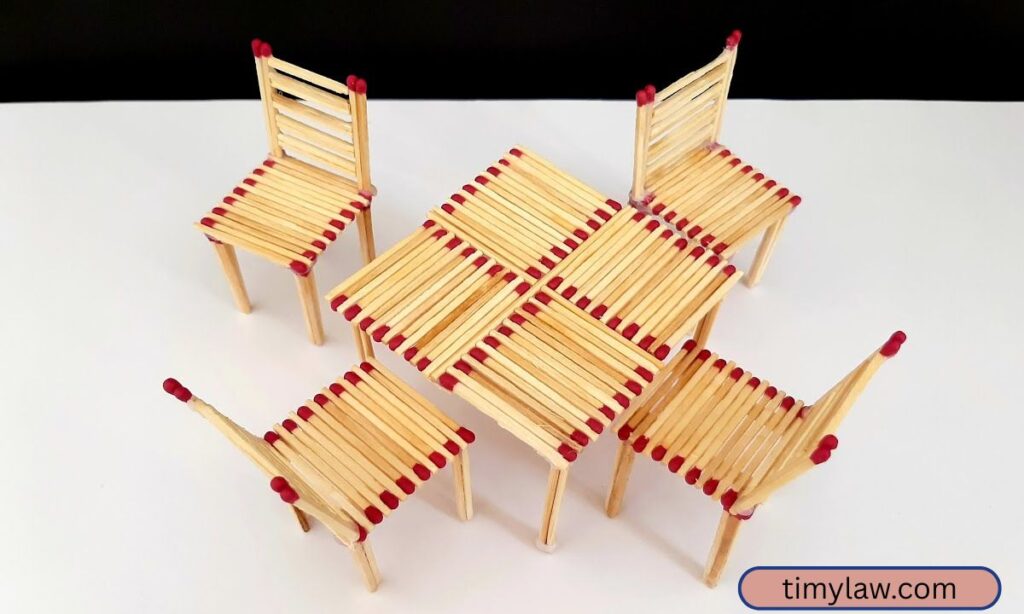
Most wooden matchsticks measure close to 2mm across. Next time you light a candle, take a second before you strike it and notice just how thin that little stick really is.
It burns fast, but it is a solid small object comparison you probably have in a kitchen drawer right now, tucked away in a box you forgot about.
Matchsticks are so common that almost nobody examines them closely. Give it a try once, and this tiny measurement will suddenly feel a lot more real.
2 mm Without Measuring Tools
Sometimes you just need to feel the number instead of reading about it. Here is your measurement without ruler cheat sheet for those moments.
Two Stacked US Dimes
Pull two dimes from your pocket and press them together edge to edge. That slim little sliver in your fingers is basically 2mm in size, give or take a hair.
This trick works anywhere you have coins handy, whether that is your car, your desk, or the bottom of your bag.
Single US Nickel Edge-On
Hold a nickel sideways between two fingers. The thin metallic edge you feel is one of the closest single coin matches for 2mm in size you will find anywhere.
No stacking, no math, just one coin turned the right way. It is probably the fastest trick on this whole list.
2 mm Mechanical Pencil Lead
If you own a drafting pencil, look at the tip. That exposed lead is a precise, exact 2mm in size reference, no rounding needed.
Art students and engineers already have this tool sitting in a drawer somewhere, which makes it one of the more exact options here.
Two Stacked Credit Cards
Stack two cards from your wallet. It is a touch thinner than our target, but it still gives you a fast, practical, everyday feel for the number.
It works especially well when you are somewhere without coins but still have your wallet close by.
Why This Tiny Measurement Actually Matters
Knowing what is 2mm in size is not just trivia. It helps with real decisions you make more often than you think, especially while shopping online.
Buying earrings online? Post thickness matters for comfort. Planning a tile job? Spacer size changes how your grout lines look. Picking pencil lead? Thickness affects how your lines feel on paper.
Small precision measurement details like this one quietly shape a lot of everyday products, even when nobody points it out or thinks twice about it.
Understanding this number also helps you avoid returns and mismatched purchases. A tiny gap in expectation, even just a couple millimeters, can change how a product fits or feels in real life.
2mm Matters in Everyday Life
Jewelry shoppers benefit the most from understanding this number. A jewelry thickness guide built around 2mm helps you pick pieces that feel delicate but still hold their shape over time.
Home renovators lean on this size too. Tight, modern tile layouts depend on accurate spacer sizing, and 2mm has become a popular standard for clean, minimal looks in kitchens and bathrooms.
Drafting fans and engineers rely on this thickness daily. Choosing the right engineering measurements for lead and tools keeps technical drawings sharp and consistent from start to finish.
Even manufacturers care. Tiny tolerances like this decide whether small parts fit together properly, which is why precision manufacturing so often circles back to this exact number across totally different industries.
Conclusion
Two millimeters shows up more often than most people realize, from the coins in your pocket to the tile spacers in your bathroom. Once you know a few solid 2mm examples, you stop guessing and start comparing with confidence.
Whether you are shopping for jewelry, planning a tile project, or just curious, these everyday objects measuring 2mm give you a fast, reliable way to picture the number anytime you need it, no ruler required.