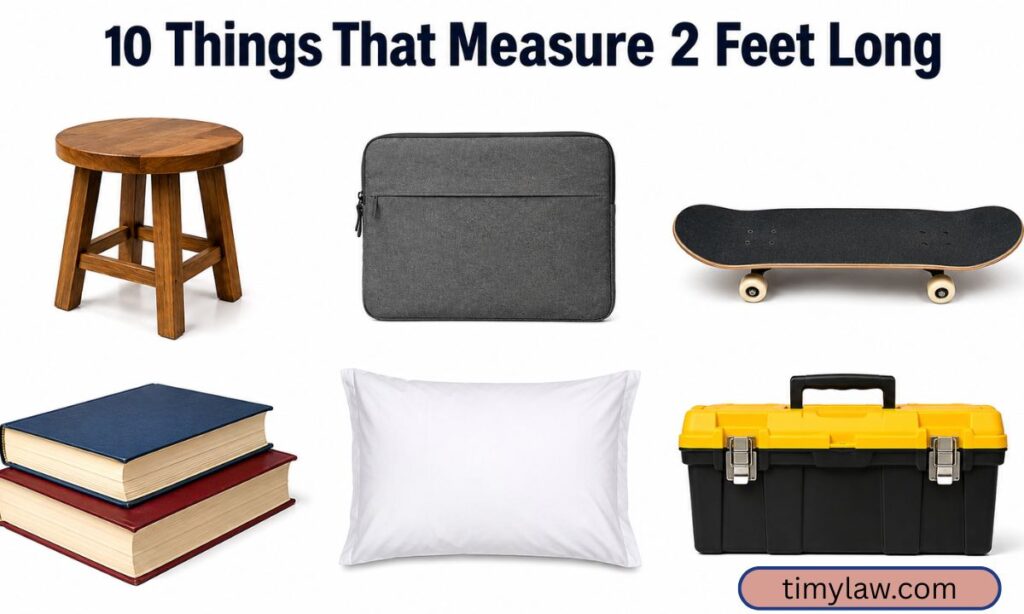
10 Things That Measure 2 Feet Long or Are Big in 2026
Ever tried to guess a length without a tape measure in hand? It happens to all of us.Knowing how to measure 2 feet using stuff around your house can save you so much time. This guide breaks down real objects, real sizes, and real tricks so you never have to second guess a measurement again.
Whether you’re shopping for furniture or just curious, this list of everyday objects makes the two-foot measurement easy to picture. Let’s get into it.
Quick Conversion
Before we dive into examples, let’s get the numbers straight so you can measure 2 feet with confidence.
Two feet equals 24 inches, or 60.96 centimeters which most people round to 61 cm. In millimeters, that’s 609.6mm if you ever need that level of detail.
This metric conversion matters more than people think, especially if you’re ordering furniture or supplies from international sites. Getting your imperial measurement to match the accurate measurement in centimeters avoids a lot of return shipping headaches.
How Long Is 2 Feet?
Picture two standard rulers lined up end to end. That is exactly how you measure 2 feet without even touching a tape measure.
Your forearm is another handy measurement reference. Most adults measure about 18 to 20 inches from elbow to fingertips, so 2 feet is just a bit longer than that.
This kind of visual measurement guide helps when you’re out shopping and left your tape measure at home. Once you train your eye to spot objects that are 2 feet long, you will start noticing them everywhere.
Things That Measure 2 Feet Long
Here is where things get fun. These are real common household items that show you exactly what 2 feet looks like in daily life.
Two Standard Rulers (End to End)
A 12 inch ruler is something almost every home and office already has. Line up two of them and you get a perfect two-foot measurement with zero guesswork.
Teachers use this trick constantly to help students grasp things that are 24 inches long. It works because rulers are familiar, so the length instantly clicks in your head.
Next time you need to measure 2 feet on the fly, just grab a couple of rulers from a drawer. It is one of the simplest examples of 2 feet you will find.
Small Side Table or Stool
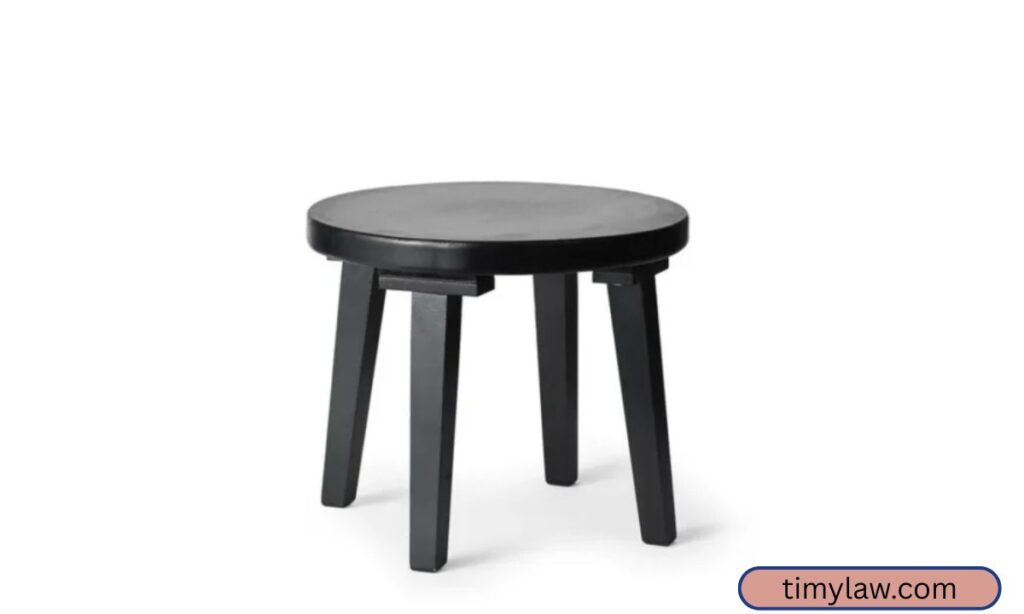
A small side table or footstool usually runs between 18 and 24 inches wide. That makes it one of the most common pieces of storage furniture to hit the 2 foot mark exactly.
These pieces fit snug next to couches, beds, and reading chairs without hogging the room. If you are into home décor planning, this is a great size reference to keep in mind.
Furniture shoppers often eyeball a side table and assume it is bigger than it really is. Knowing the furniture dimensions ahead of time saves an awkward return trip.
Kitchen Cutting Board (Large)
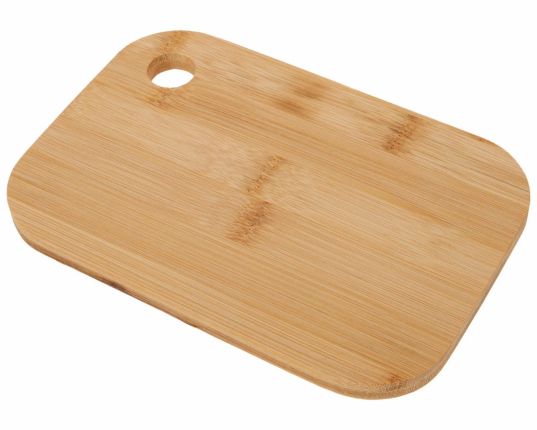
Any home cook with a big kitchen cutting board already owns a 2 foot item without realizing it. Boards sized 18×24 or 20×24 inches are extremely common in kitchens everywhere.
These boards give you enough surface to break down a whole chicken or chop a mountain of veggies. That extra space is exactly why chefs prefer the larger sizes.
If your current board feels cramped, upgrading to a 2 foot option changes your whole prep game. It is a small swap with a big payoff for kitchen organization.
Standard Yardstick (Partial Length)
A yardstick runs 36 inches total, so two thirds of it lands you right at 2 feet. This makes it a sneaky good tool when you need to measure 2 feet but only have a yardstick handy.
Woodworkers and DIY folks use this trick constantly during woodworking measurements. Knowing the fractions of common tools speeds up quick estimates on the job.
Next time you grab a tape measure or yardstick, try marking the two thirds point. It becomes second nature after a few tries.
Laptop Sleeve (Large Models)
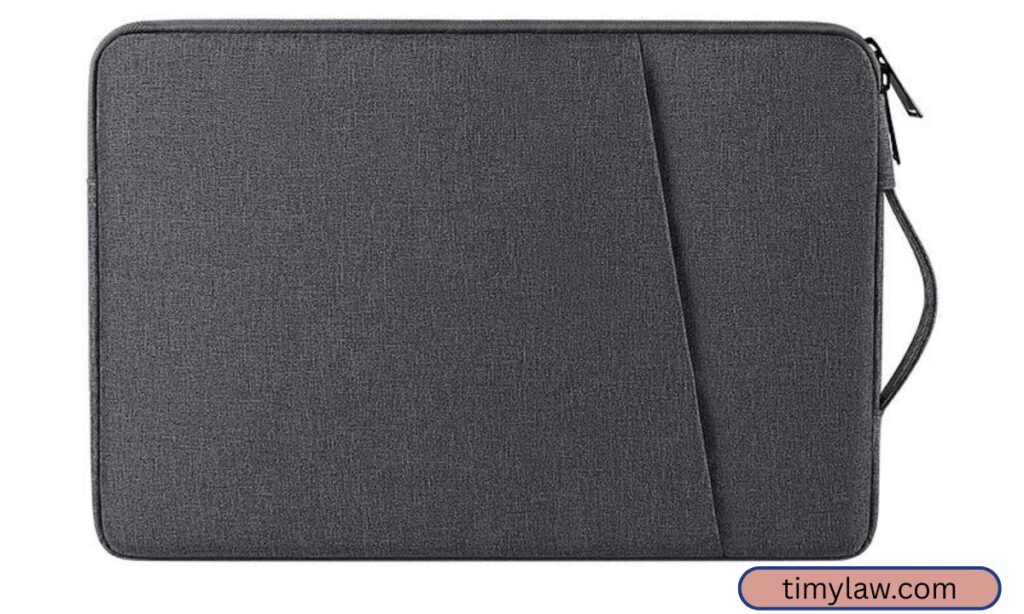
Big laptop sleeve cases built for 17 inch laptops often stretch close to 2 feet once you include the padding. Gamers and video editors with chunky laptops know this size well.
These sleeves need that extra room to protect bulky machines during travel. The padding alone can add a few extra inches to the total length.
If you are shopping for a sleeve, checking it against a 2 foot measurement reference helps avoid a snug and stressful fit.
Skateboard Deck
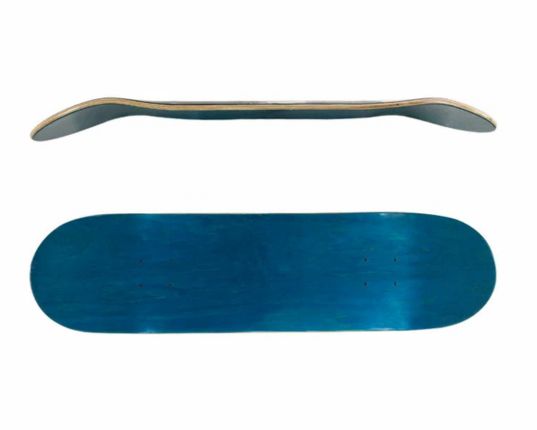
Regular skateboard deck sizes run from 28 to 32 inches, but cruiser boards drop closer to 24 inches. That shorter cruiser length is a solid real world example of 2 feet.
Beginners often start on these shorter boards because they are easier to control. Less deck means less board to manage while you are still learning your balance.
Skate shops use this size difference constantly when helping new riders pick their first setup.
ALSO READ THIS BLOG: How Long Is 3.5 Inches? 9 Things That Are 3.5 Inches Long
Small Shelf or Floating Shelf
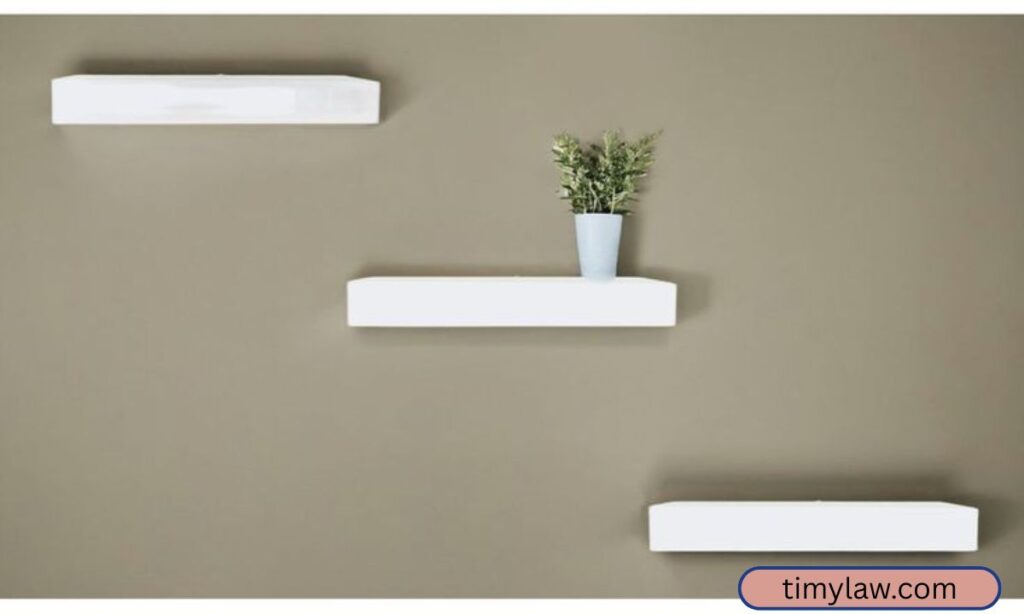
A floating shelf in the 18 to 24 inch range is one of the most popular sizes sold in home stores. Hitting exactly 2 feet lines up perfectly with standard cabinet width spacing.
These shelves are everywhere, from bathrooms to hallways to kitchens. Their size makes them easy to mount without needing custom brackets.
If you are planning a shelf installation, measuring your wall space against this 2 foot standard saves a trip back to the store.
Two Large Hardcover Books (Stacked)

Big hardcover books typically stand 10 to 12 inches tall. Stack two of them and you land somewhere between 20 and 24 inches, right around our target length.
Book lovers building a home library often eyeball stack heights this way. It is a strangely satisfying length comparison once you start paying attention.
Next time you are organizing your shelves, this trick helps you plan spacing without pulling out a tape measure.
Standard Pillowcase Width
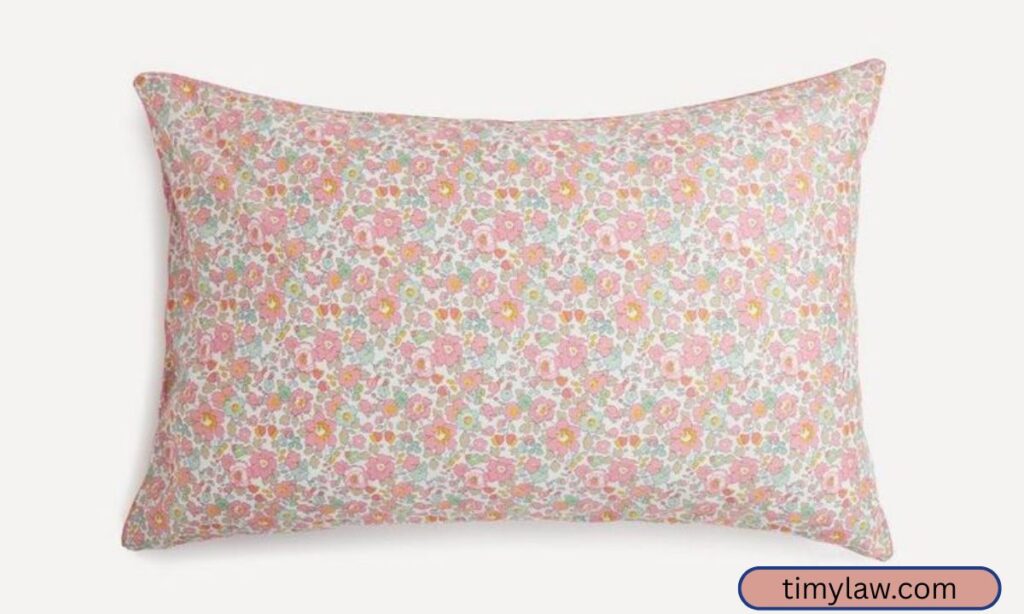
A regular pillowcase measures about 20 to 22 inches wide, putting it close to our 2 foot mark. King sized cases measure a full 20×40 inches, with that shorter side nearly touching 24 inches.
This pillowcase width detail matters more than people think when shopping for new bedding. Getting the size wrong means a saggy or overly tight pillow situation.
Bedroom planners use this reference constantly when picking out new sheet sets.
Tool Box (Medium Size)
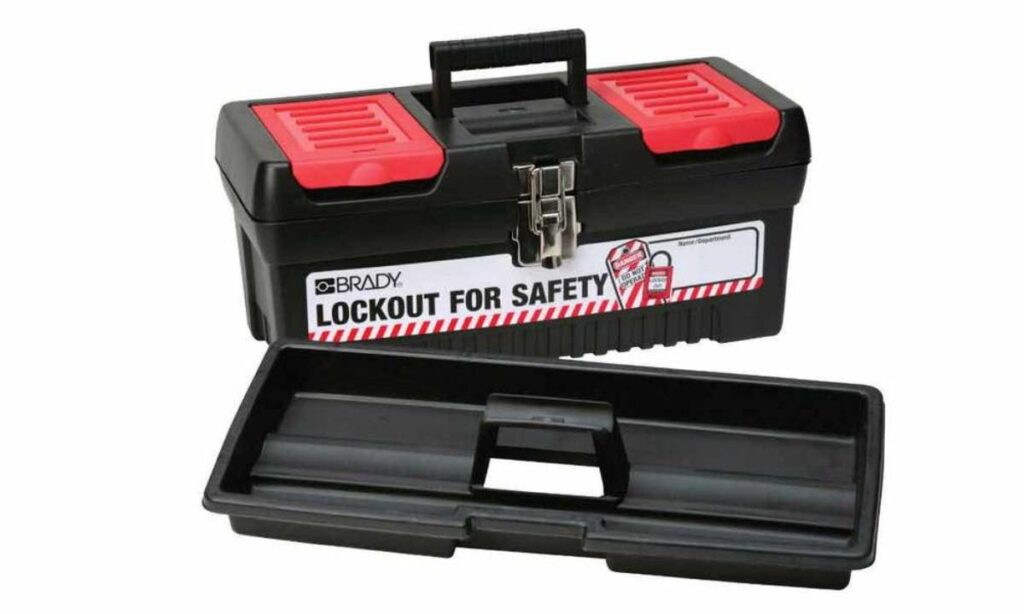
A medium toolbox built for hand tools usually measures 20 to 24 inches long. This size hits the sweet spot between storage space and easy carrying.
Contractors and weekend DIYers alike reach for this size because it holds enough gear without weighing a ton. It is one of the most practical examples of 2 feet you will find in a garage.
If your current toolbox feels too small or too bulky, the 2 foot size is worth checking out.
2 Feet Without Measuring
Sometimes you just need to eyeball it fast. Here are quick mental tricks to measure 2 feet with zero tools involved.
Your forearm plus a few extra inches gets you close enough for most everyday guesses. Two rulers end to end remain the gold standard trick taught in classrooms everywhere.
A small side table or a large cutting board sitting nearby also works in a pinch. These everyday measurement reference points make estimating length way less stressful.
Why Measuring 2 Feet Matters for Everyday Projects
Getting comfortable with this measurement pays off way beyond just trivia. It shows up constantly in room planning, furniture shopping, and basic home improvement work.
Knowing how to measure 2 feet quickly helps when you are deciding if a new shelf or side table will actually fit your space. It also helps during construction measurements for small DIY builds like planter boxes or garden beds.
Even simple tasks like buying a window planter box or a fireplace tool set get easier once this length feels familiar. You stop guessing and start knowing exactly what will work.
Common Mistakes People Make With This Measurement
A lot of people confuse 2 feet with a full yard, which throws off their shopping decisions. Remember, a yard is 3 feet, so 2 feet is noticeably shorter.
Another common slip up is forgetting the feet to centimeters conversion when shopping on international sites. A quick double check against 61 cm avoids ordering something the wrong size.
People also assume every “medium” labeled product hits 2 feet, but sizing varies a lot between brands. Always check the actual listed dimensions instead of trusting the label alone.
Conclusion
Once you know how to measure 2 feet, everyday objects suddenly make a lot more sense. From cutting boards to side tables to skateboard decks, this length shows up everywhere once you start looking.
Use these estimate length tricks next time you are shopping or tackling a small project around the house. A little bit of measurement conversion knowledge goes a long way toward smarter, more confident decisions.

Henry Brooks is the founder and lead writer behind TimyLaw, a trusted online resource dedicated to making measurements simple, accurate, and easy to understand. With a passion for turning complex dimensions, weights, lengths, and size comparisons into practical guides, Henry helps readers find real-world measurement answers quickly. Through TimyLaw, he creates well-researched, user-friendly content that explains everyday measurements using relatable examples, helping students, professionals, and curious readers make sense of sizes, distances, and weights with confidence. His goal is to provide clear, reliable, and engaging measurement content that makes learning both useful and enjoyable.