14 Daily-Use Items Measuring 1 Inch Long
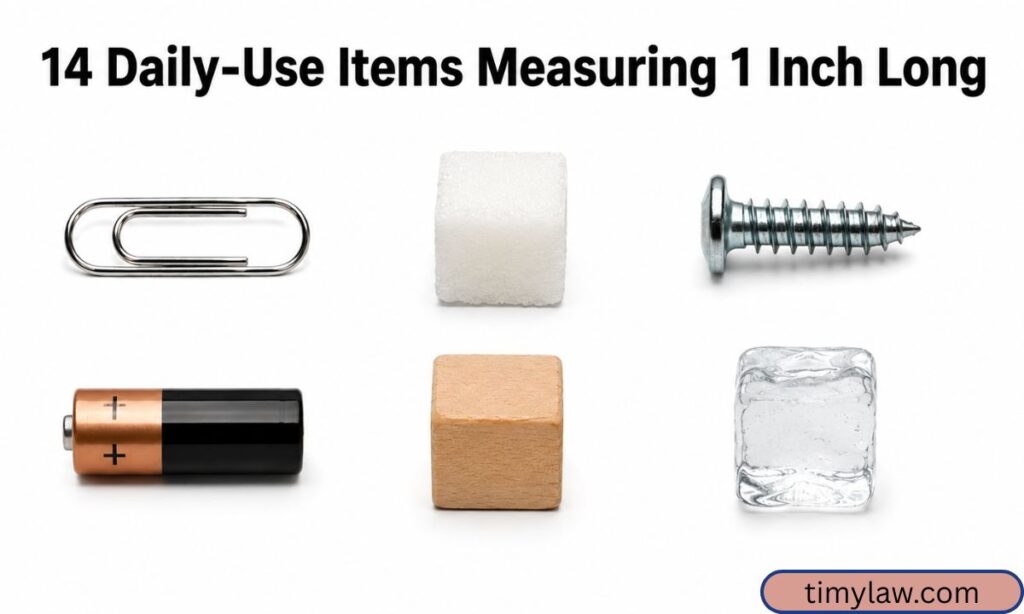
Have you ever tried to picture how small one inch really is? It sounds tiny, but you probably touch things this size every single day without even noticing.
From your desk to your kitchen drawer, tons of common household items hit this exact mark. This guide gives you a full visual measurement guide using things you already own. By the end, you will know exactly how to spot items measuring 1 inch without ever picking up a ruler.
Quick Conversion
Before we jump into the list, let’s get the numbers straight. One inch is a small unit, but it connects to a few other measurements you probably use often too.
1 inch in centimeters equals 2.54 centimeters. 1 inch in mm equals 25.4 millimeters. 1 inch in feet equals 0.0833 feet, and 1 inch in meters is 0.0254 meters.
Think of this as your metric conversion cheat sheet. Keep it handy any time you’re switching between imperial and metric while cooking, building, or crafting.
How Long Is 1 Inch?
An inch is often called one twelfth of a foot, which makes it the smallest unit most people use in daily life. It’s short, but it shows up everywhere once you start looking.
The easiest way to picture the actual size of 1 inch is with your own hand. Your thumb has a built in ruler that most people forget about.
This makes visualize 1 inch something you can do anywhere, anytime, with zero tools. No app, no tape measure, just your hand.
Daily-Use Items That Measure 1 Inch Long
These are real life measurement examples you can find in your junk drawer right now. Each one gives you a fast way to picture one inch without any guesswork.
Standard Paperclip
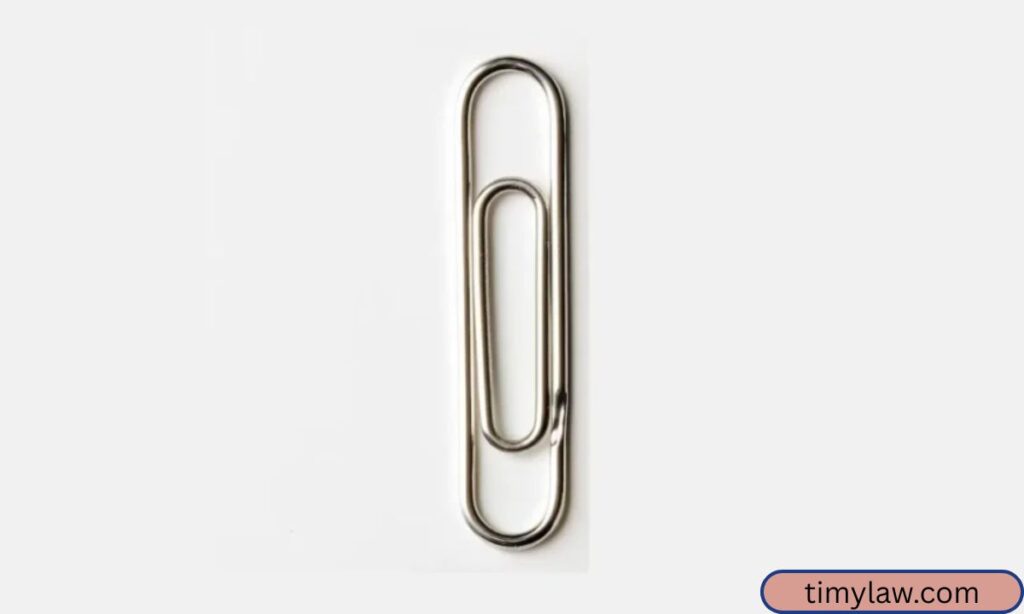
The standard paperclip length is almost exactly one inch from end to end. It’s one of the most common office supplies measurement references out there.
You probably have five of these sitting in a drawer right now. Grab one and you have an instant size check for anything else nearby.
Paperclips are cheap, common, and everywhere, which makes them a great portable measurement reference for quick jobs.
US Quarter Diameter
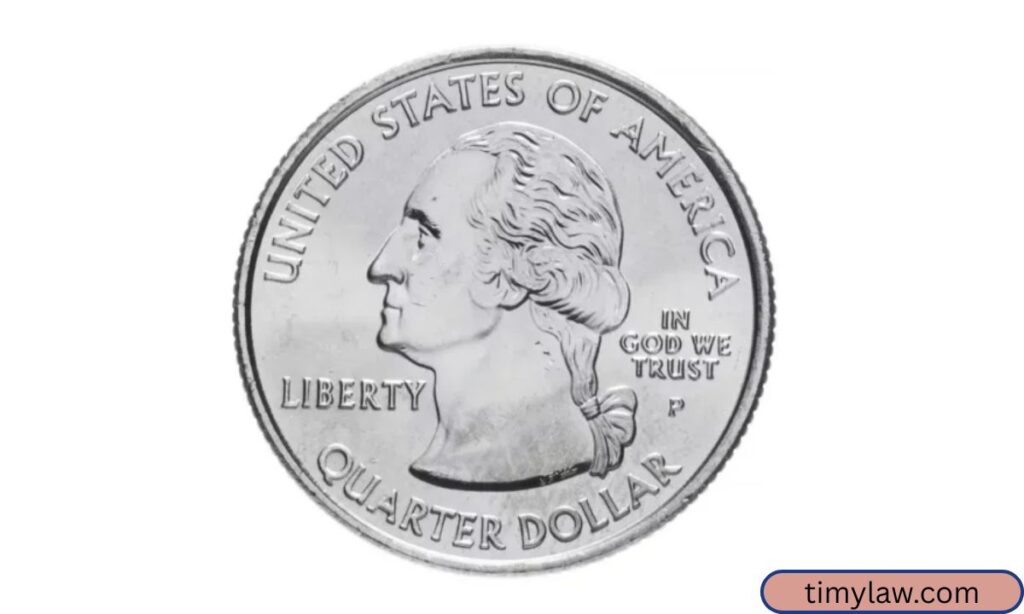
The US quarter diameter measures 0.955 inches across, which is close enough to count as a full inch for most everyday needs. It’s a handy coin size comparison tool.
Coins live in pockets, cars, and couch cushions everywhere. That means you’re rarely far from a solid size reference chart built right into your wallet.
Next time you drop a quarter, take a second to notice just how close it lines up to a true inch.
Thumb Top Joint
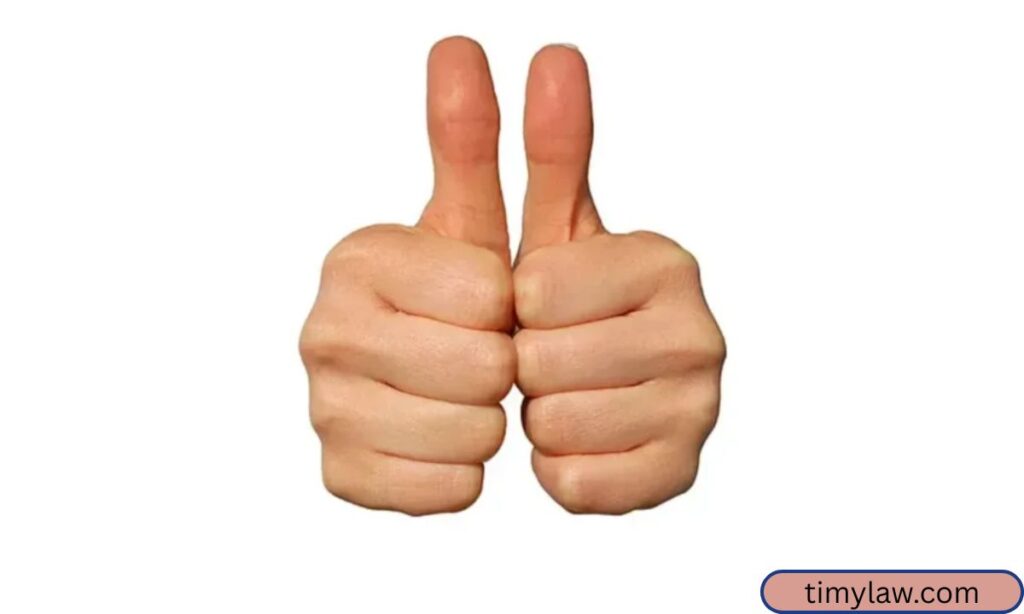
Your thumb top joint measurement, from the tip to the first knuckle, is close to one inch for most adults. It’s the most natural body measurement reference you carry with you.
This trick works for builders, crafters, and anyone stuck without a tape measure. Just glance at your thumb and you’re set.
It’s not perfectly exact, but for quick jobs it works better than guessing blindly.
Bottle Cap Diameter
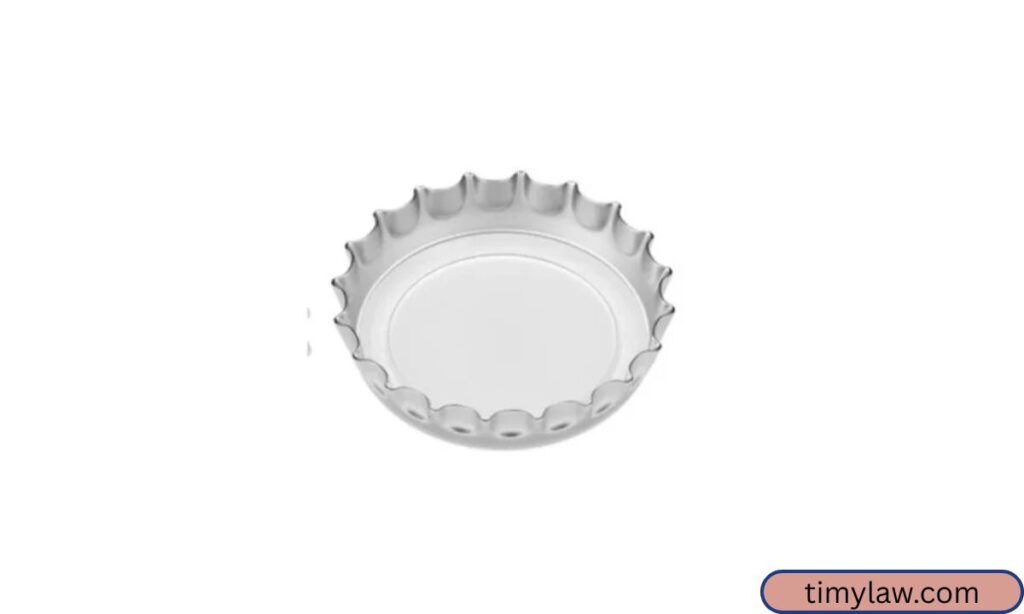
The bottle cap diameter on most soda and water bottles lands right around one inch. This makes it one of the easiest kitchen item sizes to remember.
Next time you finish a drink, take a look at the cap before tossing it. It’s a free measuring guide sitting in your recycling bin.
Since bottle caps are made to a consistent size, this trick works no matter the brand.
Large Button
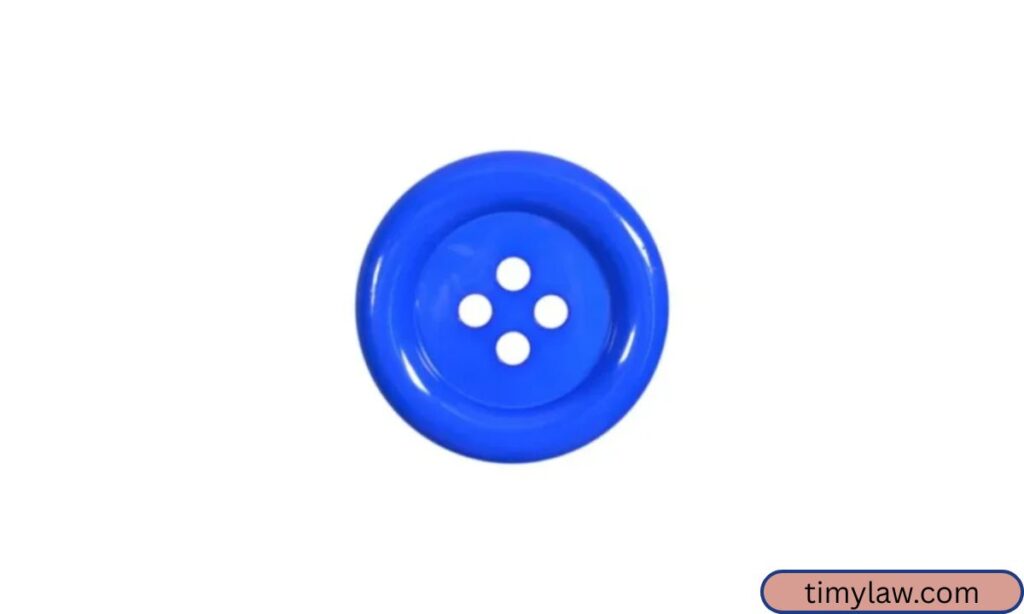
Large button size on coats and jackets often reaches close to one inch across. Fashion pieces use bigger buttons for both style and grip.
If you own a winter coat, check the front buttons. There’s a good chance you’re staring at a near perfect inch.Smaller shirt buttons run closer to half that size, so bigger really does mean closer to one inch here.
Postage Stamp (Standard)
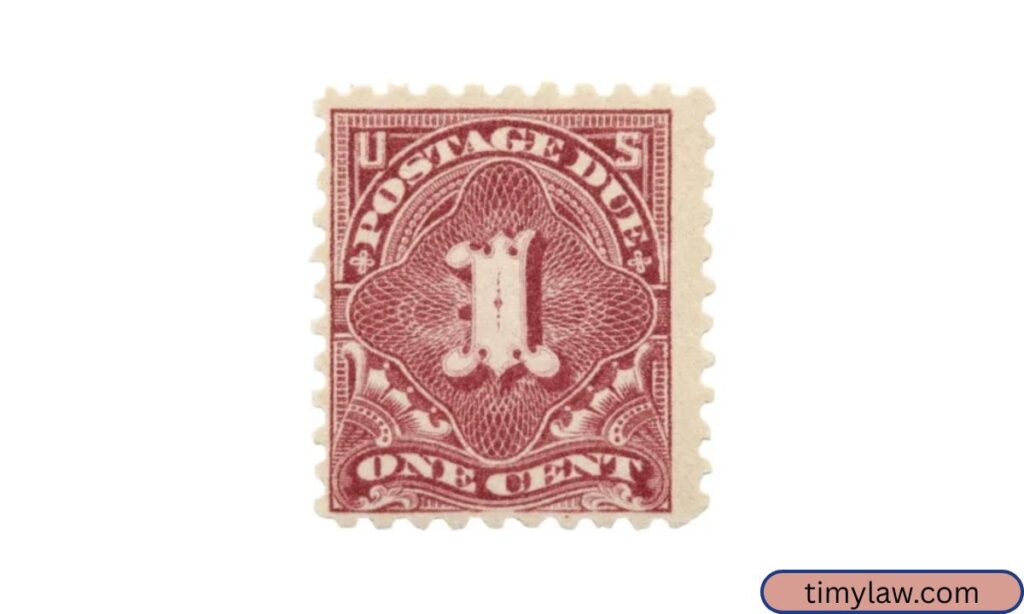
Postage stamp dimensions run close to 0.87 by 1 inch, so the longer edge gets you right to the mark. It’s a small but useful object size reference.
Even though most people text instead of mail letters now, stamps still show up in drawers and old envelopes. Keep one around for a fast size check.The rectangle shape also helps you practice spotting inch length instead of just width.
Sugar Cube
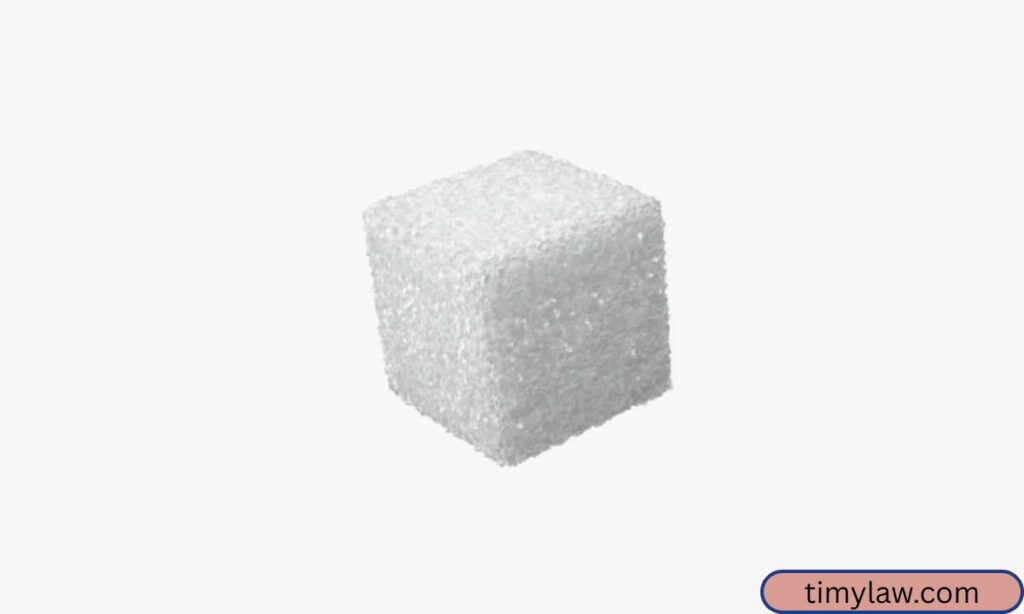
Sugar cube size typically falls between 0.5 and 1 inch per side, depending on the brand you buy. Bigger cubes made for coffee shops often hit the full inch.
This is a fun one because it doubles as a kitchen measurement reference you can use while baking. Sweet and useful at the same time.
Check your sugar box next time you make tea. You might be holding an inch cube without knowing it.
Mini Cookie Cutter (Small Size)
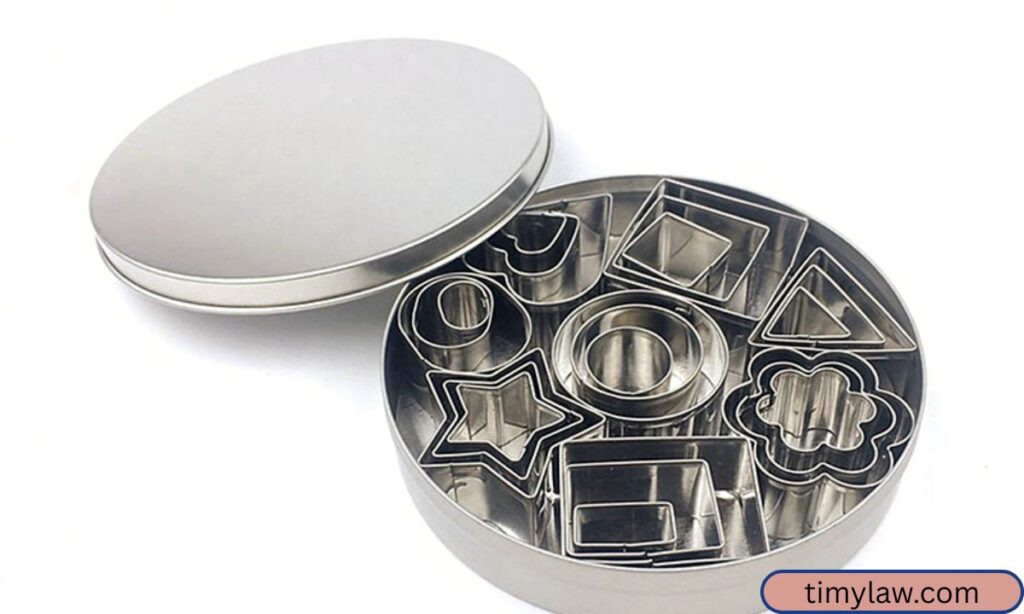
Small mini cookie cutters, the kind used for tiny decorative shapes, usually measure close to one inch across. Bakers use these for cookies, fondant, and cake toppers.
They’re an underrated crafting measurements tool since the shape stays exact every single time you press it down. No guessing needed.
If you bake often, this is one of the most fun ways to keep a solid home improvement measurements habit going in the kitchen too.
Dice (Standard Six-Sided)
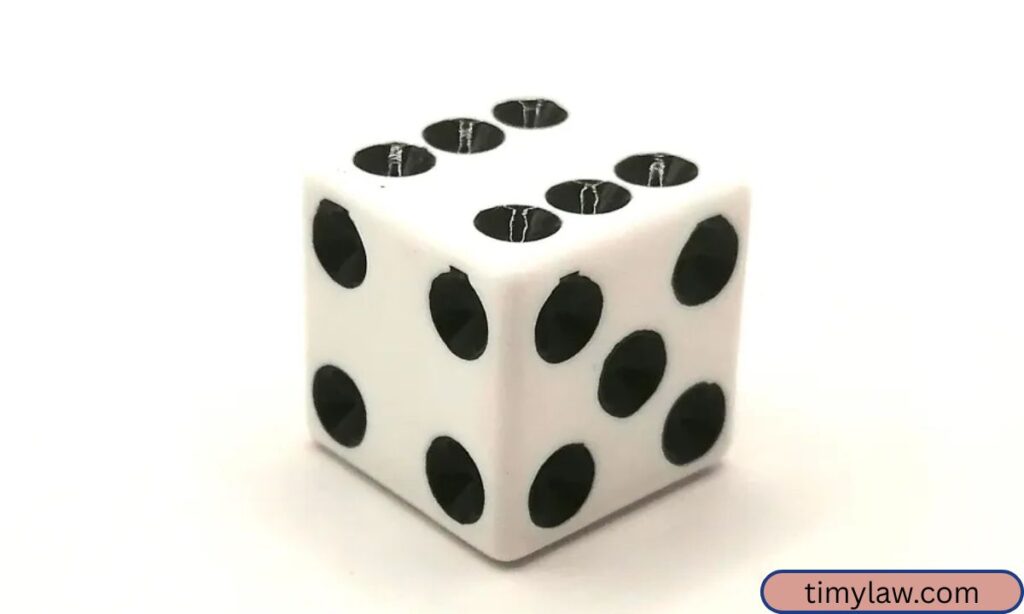
Standard dice size for casino style dice runs about 0.75 inches per side, while bigger board game dice creep closer to a full inch. Novelty dice often go past it completely.
Board games are a fun way to practice measuring small objects since you already have them at home. Next game night, take a second look.The cube shape also helps you picture depth, not just length, which most flat items can’t teach you.
Binder Clip (Small Size)
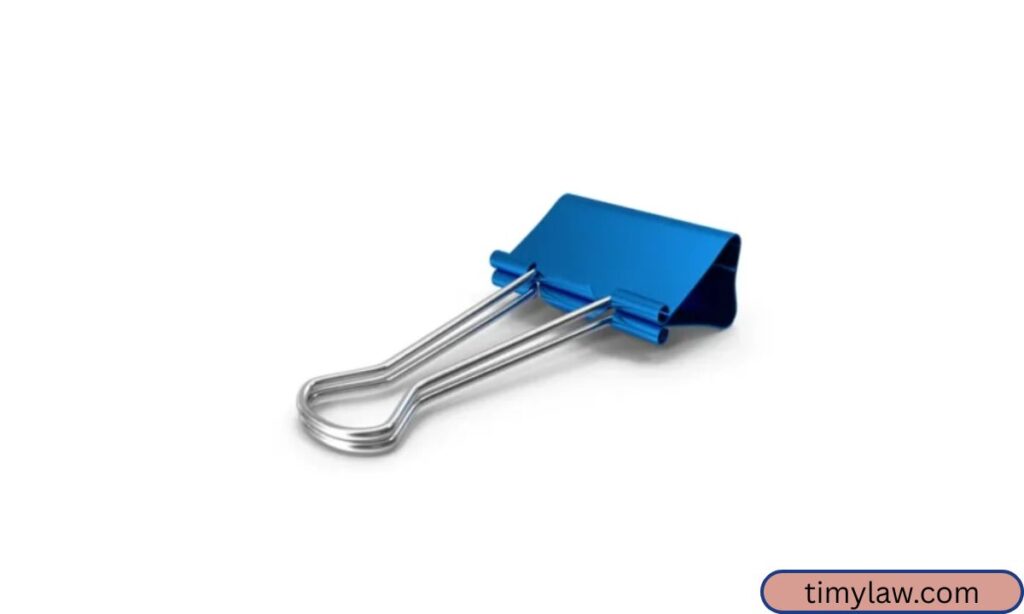
Binder clip width on the small size runs close to one inch across the top edge. These little clamps show up in almost every office or school bag.
They’re a solid DIY measurement guide tool since they’re stiff, consistent, and don’t bend out of shape over time.Check your desk drawer right now. There’s a strong chance you already own one.
ALSO READ THIS BLOG: 11 Things That Measure 15 Feet Long
Screw Length (Common Size)
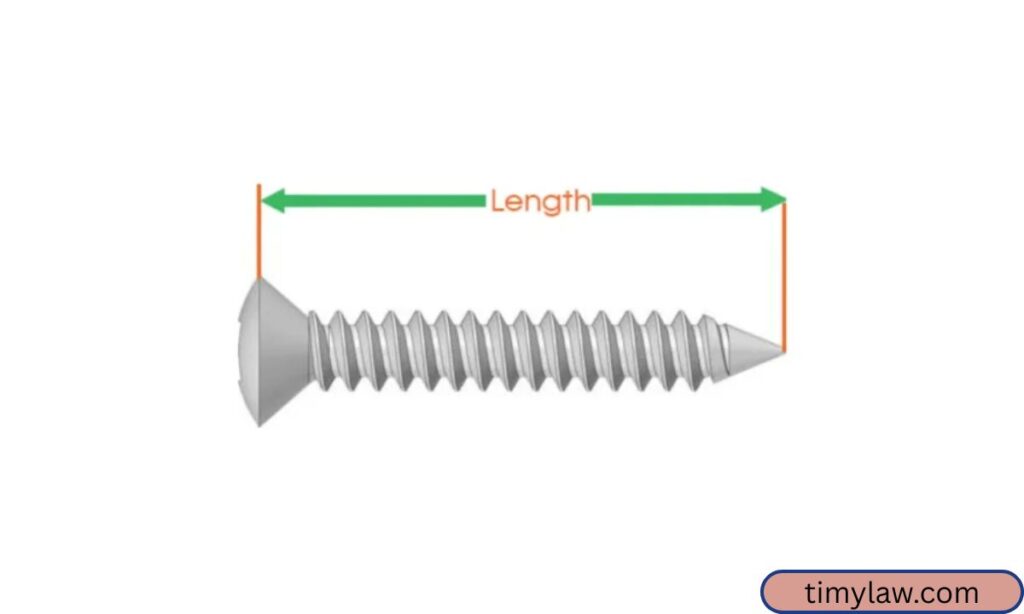
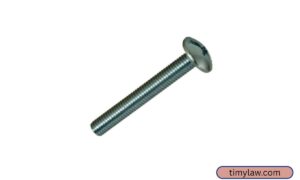
A common 1 inch screw length is one of the most stocked sizes at any hardware store. Builders and DIYers reach for this size constantly.
If you’ve ever hung a shelf or built furniture, you’ve probably handled one of these. It’s a practical home improvement measurements example that actually gets used.Keep a couple in a drawer and you’ve got another inch reference ready to go.
AA Battery Diameter
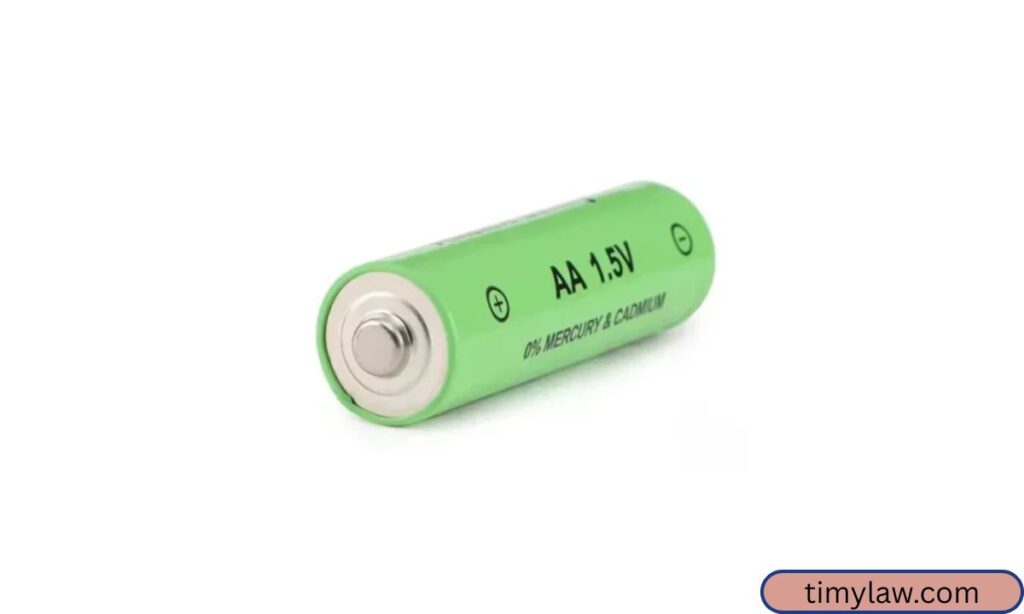
AA battery diameter is about 0.57 inches, so two batteries placed side by side get you just past a full inch. It’s a clever trick for measuring without a ruler.
Almost every home has a stash of these somewhere. Remote controls, flashlights, and toys all use them.Try lining up two batteries next time and see how close you land to one full inch.
Wooden Craft Cube (1-Inch Cube)
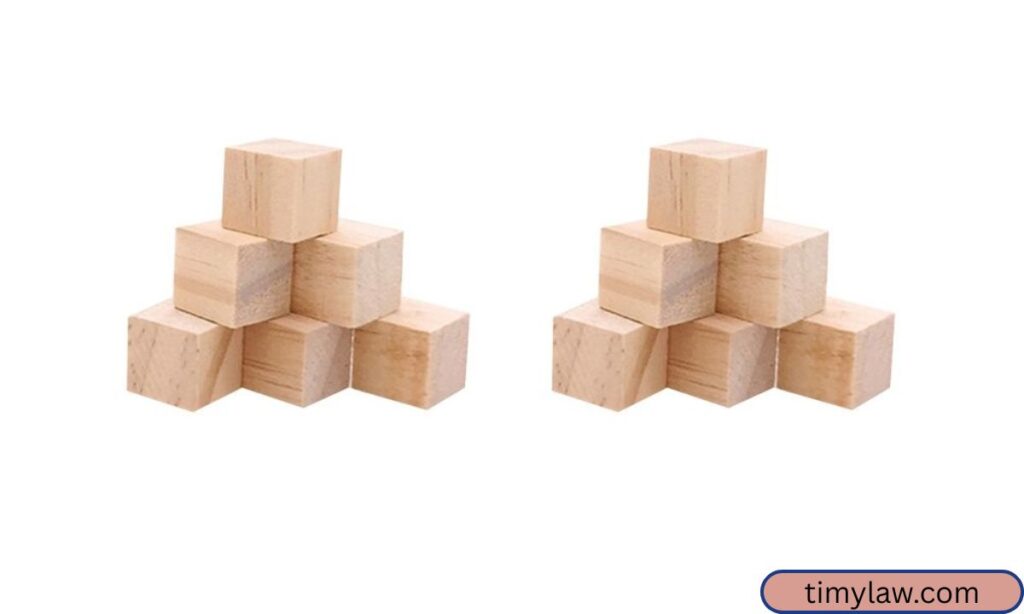
Wooden craft cubes sold at hobby stores are often cut to an exact one inch cube. These are popular for building games, art projects, and kids’ activities.
Since they’re manufactured to a precise size, they make one of the most accurate household object sizes you can buy on purpose.If you want a guaranteed inch reference, this is honestly your best bet.
Ice Cube (Standard Tray Size)
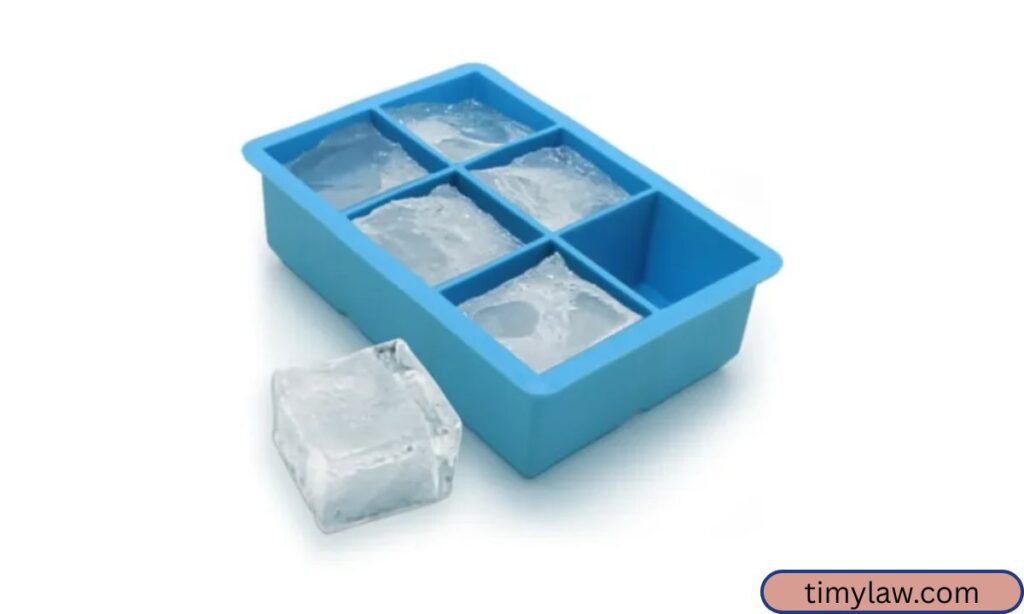
Standard ice cube size from most trays runs between 1 and 1.25 inches per side. It’s a quick size estimation tool sitting in your freezer right now.
Since almost every home has an ice tray, this might be the easiest reference on this whole list to check today.Pop one out and take a real look. It’s bigger than most people expect.
1 Inch Anywhere (No Ruler Needed!)
Sometimes you just need a fast answer with no ruler measurement in sight. These four tricks work almost anywhere, anytime.
Thumb — Tip to First Knuckle
This is the most reliable finger measurement reference most adults carry. Tip to first knuckle lands close to one inch nearly every time.
U.S. Quarter Coin
At 0.955 inches, the quarter remains one of the best estimate one inch tricks around. Pocket change just got useful.
Standard Paperclip
Straightened or not, a paperclip gives you a fast, flat length check. It’s one of the simplest quick measurement tricks for desk work.
Bottle Cap Diameter
Round, consistent, and always nearby if you drink soda or water. This is a reliable everyday size estimation guide.
1 Inch Matters in Everyday Life
Crafting and sewing projects depend on small, accurate cuts. Knowing this measurement helps with buttons, hems, and seam allowances without constant remeasuring.
Home repairs use inch based screws and nails constantly. A rough sense of scale saves time when picking hardware at the store.
Cooking benefits too, since recipes often call for ingredients cut into inch sized pieces. A good eye for scale means less second guessing in the kitchen.
Jewelry and accessories also rely on this unit. Knowing what an inch looks like helps you pick bracelets, rings, and necklaces that actually fit.
Conclusion
One inch shows up more often than most people realize, hiding in paperclips, coins, bottle caps, and even your own thumb. Once you know these object size reference points, guessing small sizes gets a lot easier.
Next time you need a fast answer without digging out a tape measure, remember this list. You’ve got a full set of measurement reference objects sitting around your house already.

Henry Brooks is the founder and lead writer behind TimyLaw, a trusted online resource dedicated to making measurements simple, accurate, and easy to understand. With a passion for turning complex dimensions, weights, lengths, and size comparisons into practical guides, Henry helps readers find real-world measurement answers quickly. Through TimyLaw, he creates well-researched, user-friendly content that explains everyday measurements using relatable examples, helping students, professionals, and curious readers make sense of sizes, distances, and weights with confidence. His goal is to provide clear, reliable, and engaging measurement content that makes learning both useful and enjoyable.