14 Daily Use Items That Weigh 1 Gram
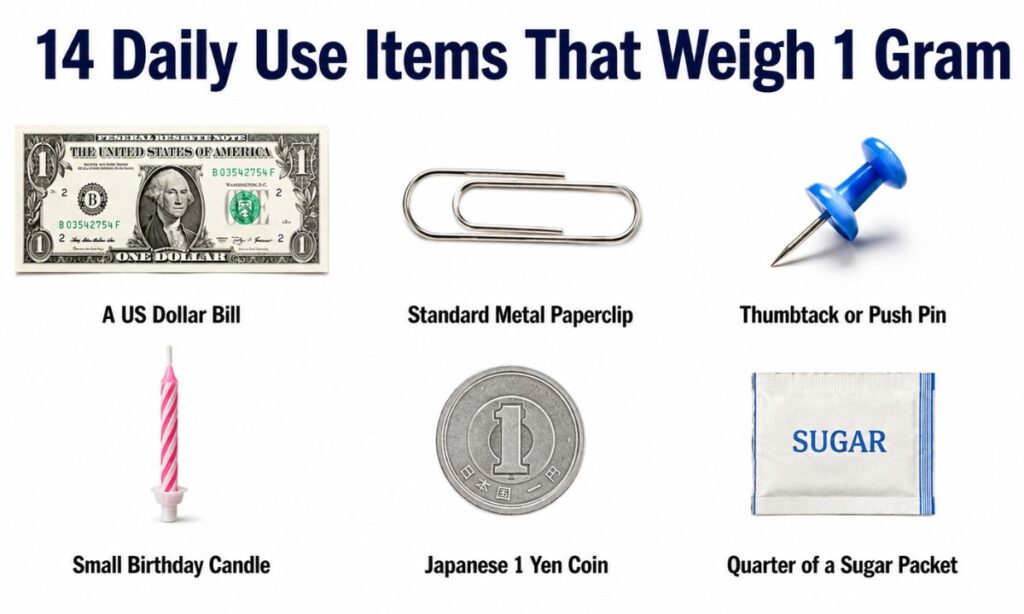
Ever tried to picture how light 1 gram really is? It is one of those metric weight units that sounds simple but is hard to picture without something to compare it to.That is exactly why this list exists. Below you will find everyday things that weigh 1 gram, from the cash in your wallet to the raisin in your snack bowl.
By the end, you will have a solid mental weight reference for one gram weight that you can use anywhere, anytime, no scale needed.
How Heavy Is 1 Gram?
1 gram equals one thousandth of a kilogram, which makes it one of the lightest units in the metric system measurements most of us grew up learning in school. It barely registers on your palm.
In 1 gram in ounces, that works out to about 0.035 ounces. In 1 gram to pounds, it is roughly 0.0022 pounds, which is basically nothing on a bathroom scale.
Knowing this gram conversion matters more than people think. Cooking, medicine dosing, and even jewelry all rely on getting this tiny mass measurement right.
1 Gram Conversion Chart
Here is a quick weight conversion chart so you never have to do the math yourself.
| Unit | Value |
| Milligrams (mg) | 1,000 |
| 1 gram in kilograms | 0.001 |
| 1 gram in ounces | 0.035 |
| Pounds (lb) | 0.0022 |
| Carats (ct) | 5 |
| Grains (gr) | 15.43 |
| Milliliters (water) | 1 |
Keep this gram conversion chart handy. It comes in useful for cooking, science homework, or just settling an argument with a friend.
Things That Weigh 1 Gram
Below are real 1 gram examples you can find around your house right now. Some are exact. Others land close, so we have added honest ranges where the real world does not match the marketing.
A US Dollar Bill (Any Denomination)

Every US bill, whether it is a single or a hundred, is built to weigh 1 gram exactly. The value printed on it does not change the weight at all.
This happens because the Bureau of Engraving and Printing uses the same cotton and linen blend for every bill. It is one of the most reliable household items weighing 1 gram you own.
Standard Metal Paperclip
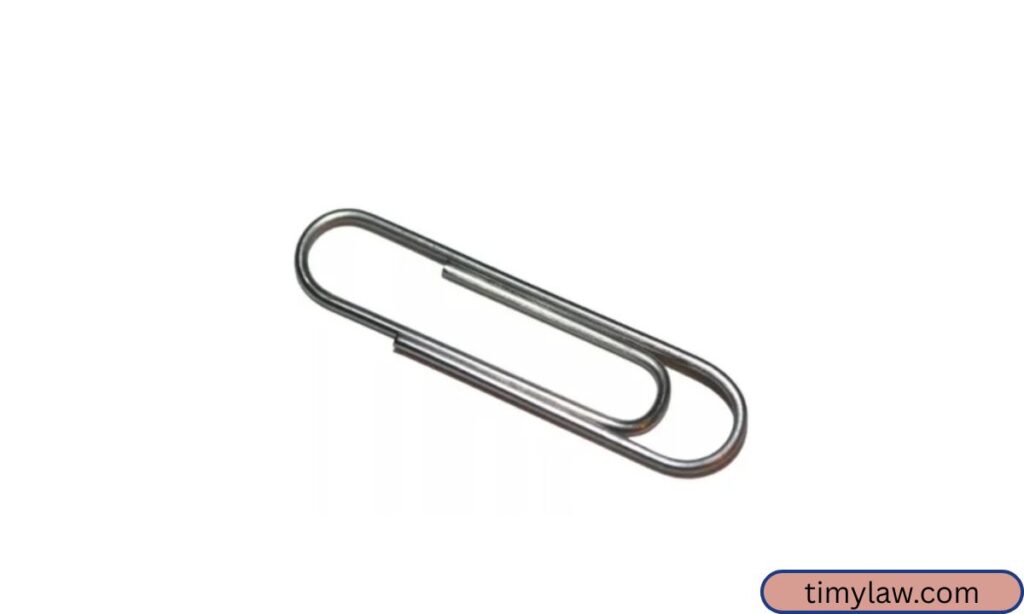
A classic Gem style paperclip is the go to weight reference people use to picture 1 gram. It is small, cheap, and sitting in almost every desk drawer.
Manufacturers keep these so consistent that you can trust one paperclip to always weigh 1 gram, batch after batch.
Single Raisin
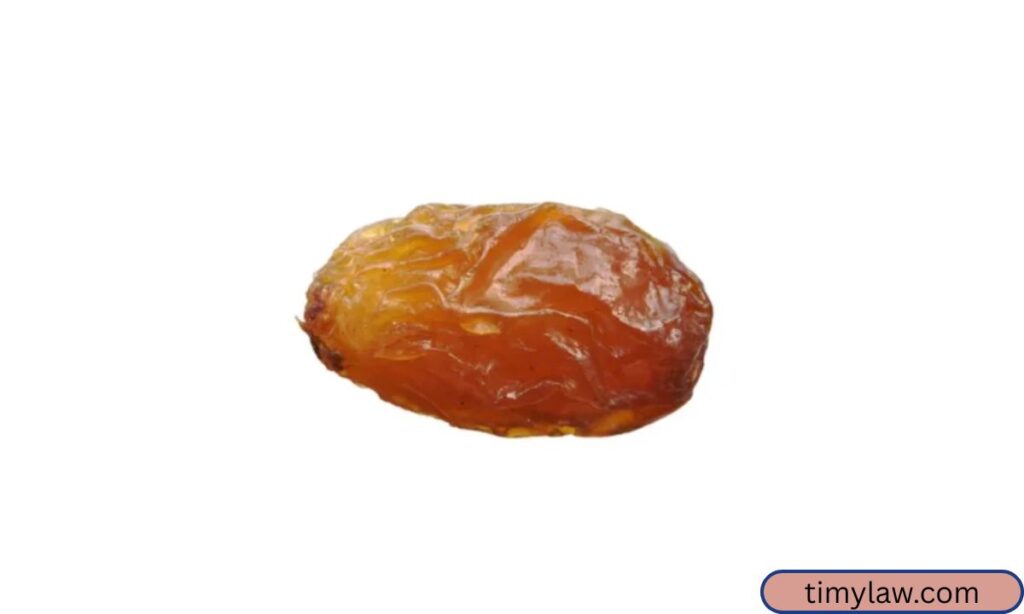
A single raisin is one of the tastiest objects weighing one gram on this list. Drying a grape removes most of its water and leaves behind this tiny, sweet package.
A standard snack serving has around 28 raisins, so next time you eat a handful, you are holding roughly 28 grams of dried fruit in your palm.
Thumbtack or Push Pin
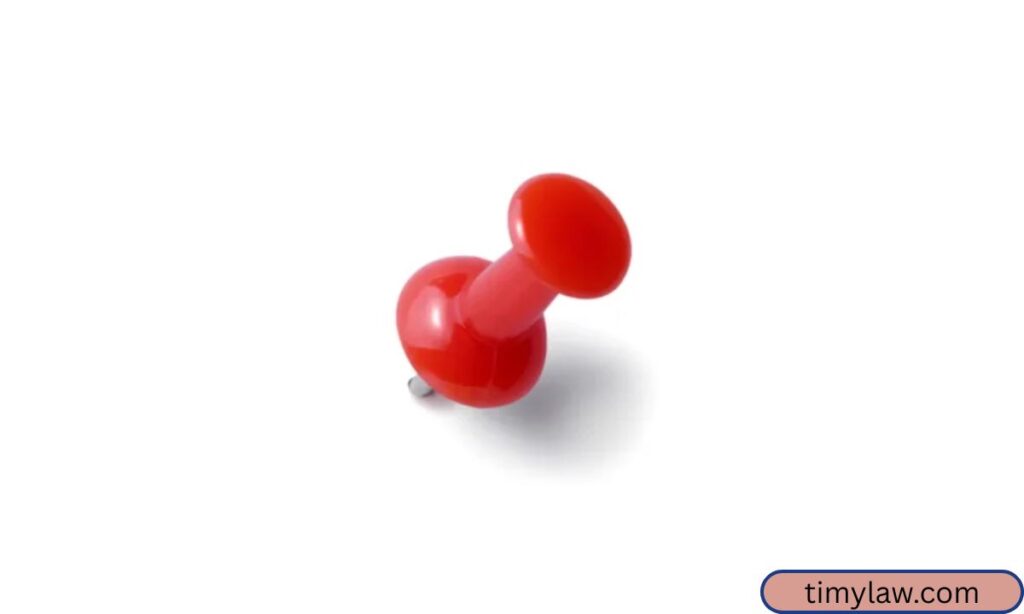
A standard thumbtack is light enough to pin a photo to a corkboard without leaving a dent, and it happens to weigh 1 gram for most common sizes.
The metal point and flat head balance out perfectly, making this one of the easiest small objects weighing 1 gram to picture in daily life.
One Stick of Chewing Gum
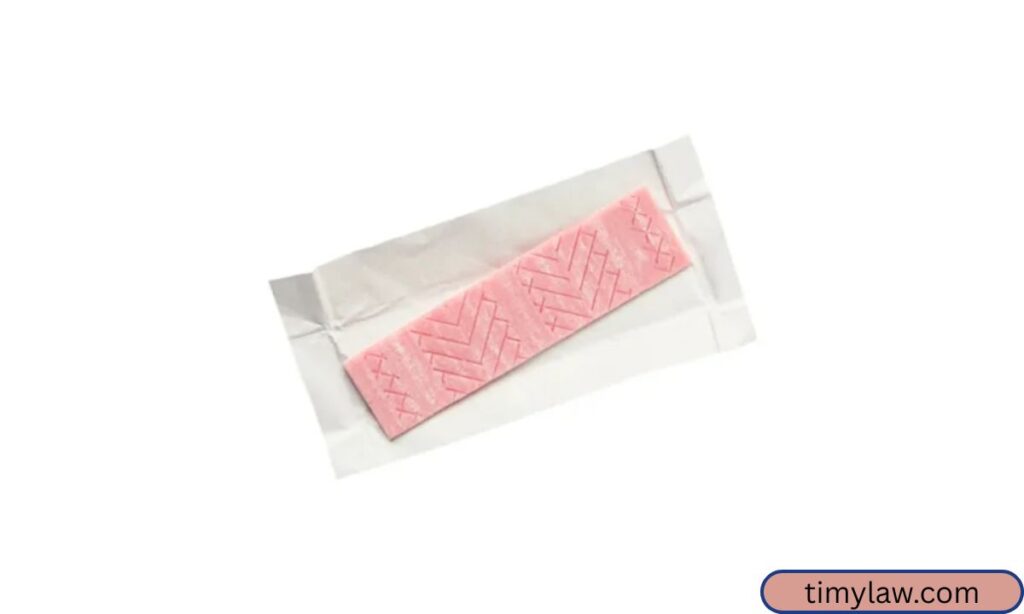
Gum sticks vary more than people expect. A small stick, like a thin mint style piece, can land close to 1 gram, though thicker classic sticks often run heavier, closer to two or three grams.
If you want a true 1 gram measurement from gum, look for the slimmer strip style pieces rather than the chunkier blocks.
Small Birthday Candle (2 inch)
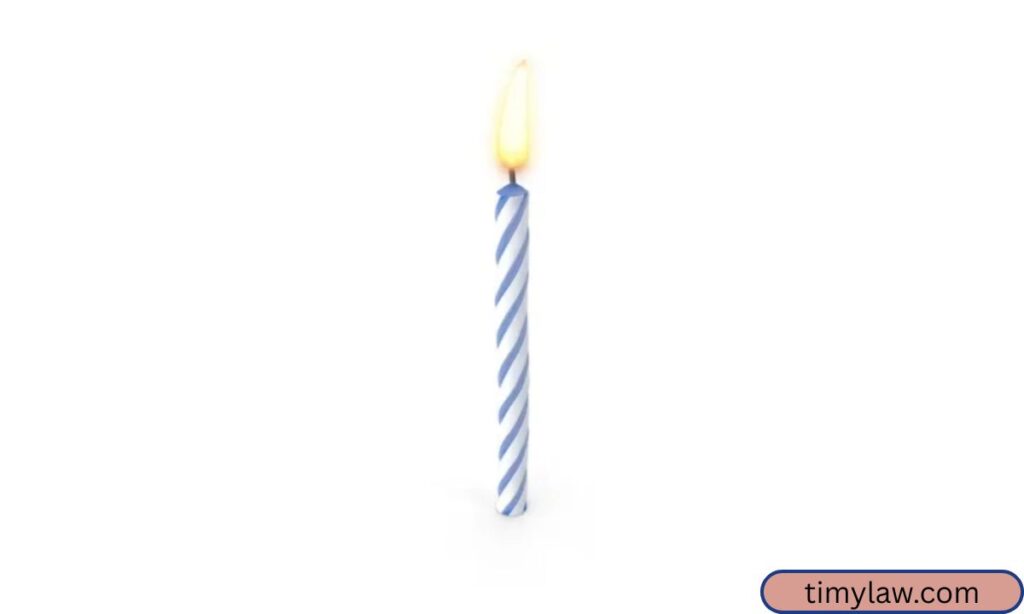
Those thin colorful candles that go on birthday cakes are light little things. A standard 2 inch candle is close to 1 gram once you account for the wax and wick.
They burn fast, but for a moment, that tiny stick sitting in your frosting is a near perfect everyday weight example.
Single Fresh Grape
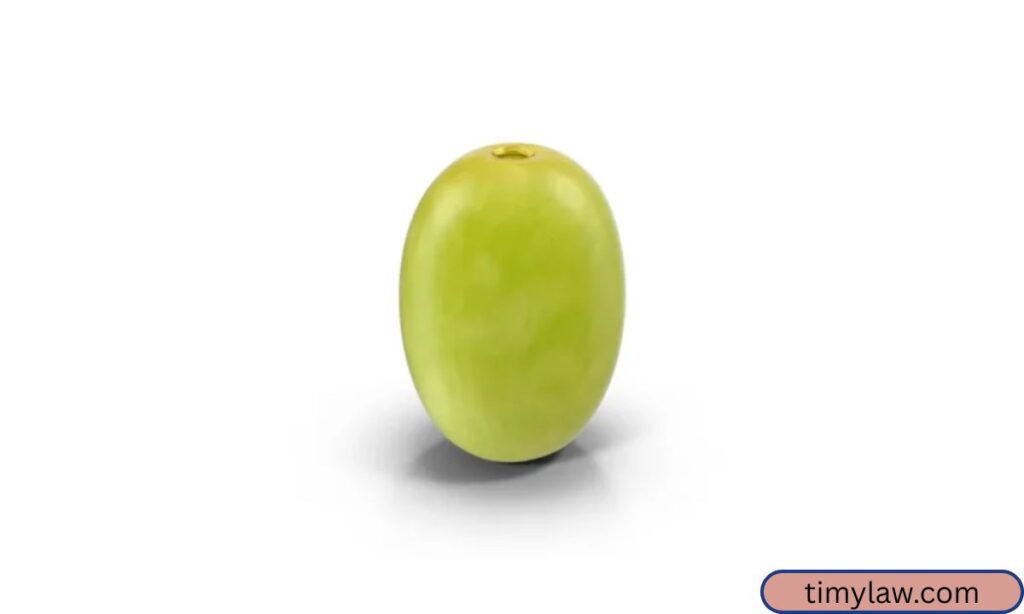
A small grape can come close to 1 gram, but most standard table grapes actually run heavier, often between 3 and 6 grams depending on the variety.
If you want a grape that truly hits 1 gram, look for the smaller varieties rather than the large seedless ones sold in most stores.
Ballpoint Pen Cap
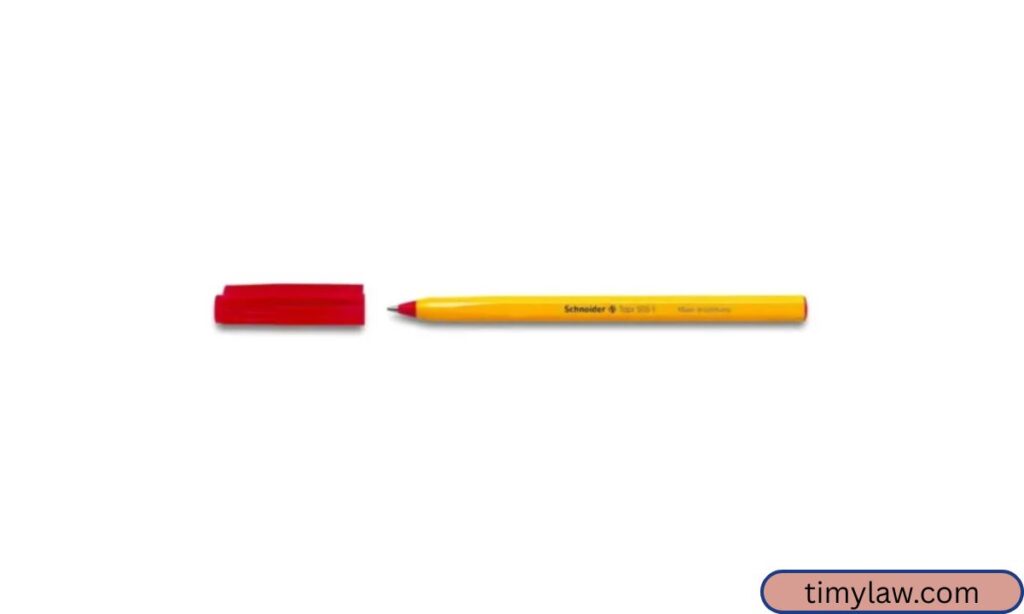
The plastic cap on a standard ballpoint pen is light enough to weigh 1 gram in most cases. It is one of those everyday objects weighing 1 gram you touch daily without noticing.
Most caps also have a small vent hole built in as a safety feature, so even something this light gets careful design attention.
ALSO READ THIS ARTICLE: 12 Daily Use Items Measuring 3 Inches Long
Pinch of Salt (Thumb and Forefinger)

A pinch some people take between thumb and finger can come close to 1 gram, though most culinary pinches are actually lighter, closer to half a gram.
Either way, it is a handy weight estimation trick chefs use when a recipe calls for just a touch of seasoning.
Japanese 1 Yen Coin
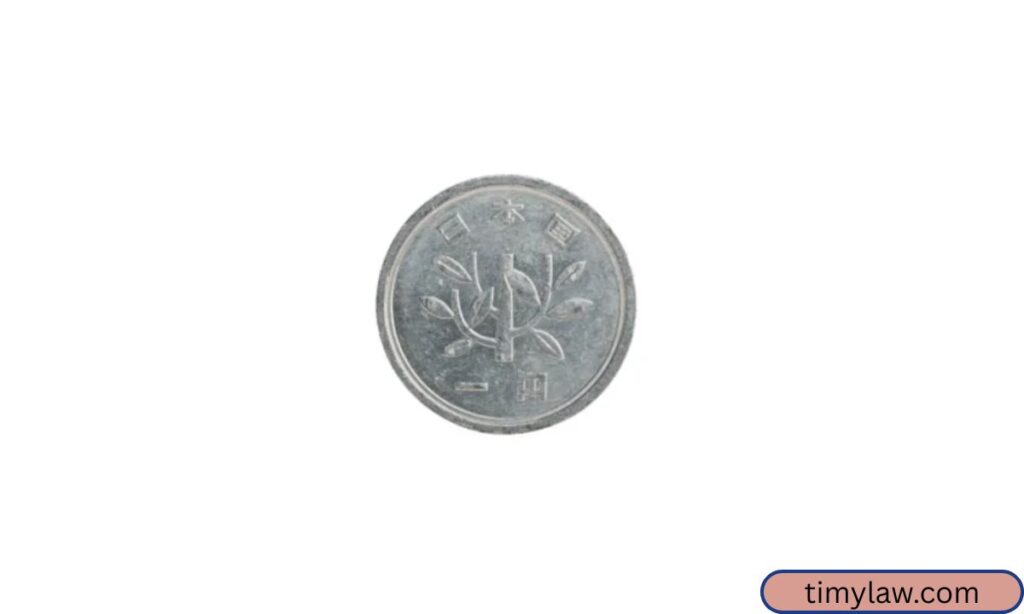
This coin is one of the most precise one gram objects in the world. Japan designed it from pure aluminum specifically to weigh 1 gram, and it is light enough to float on still water.
It is proof that a government mint can hit 1 gram on purpose, not just by accident.
Quarter of a Sugar Packet

A standard restaurant sugar packet holds about 4 grams, so a quarter of one gets you close to 1 gram of sugar.
This is a handy weight estimation trick if you are trying to visualize how much sugar you are actually adding to your coffee.
Plastic Bottle Cap
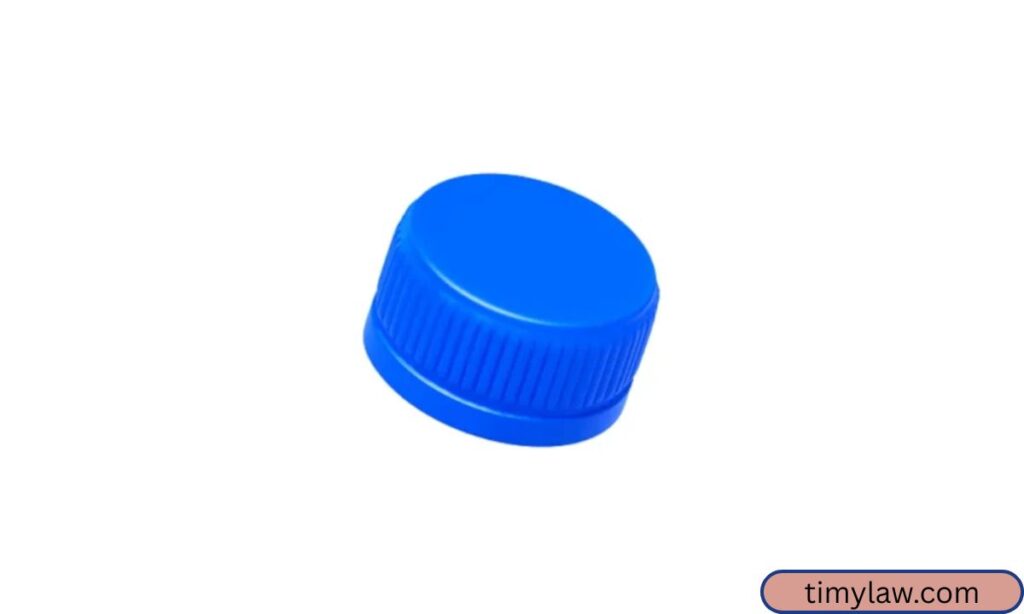
A standard soda or water bottle cap is light, and most land close to 1 gram depending on the plastic used and cap size.
Billions of these are produced every year, and keeping them this light saves on shipping costs and plastic waste.
Single Piece of Paper Towel (Torn Section)
A torn section of paper towel usually sits between 1 and 2 grams, making it one of the more approachable small weight examples you can grab off any roll.
It is not a perfect 1 gram measurement, but it is close enough for a quick comparison.
One Milliliter (1 ml) of Water
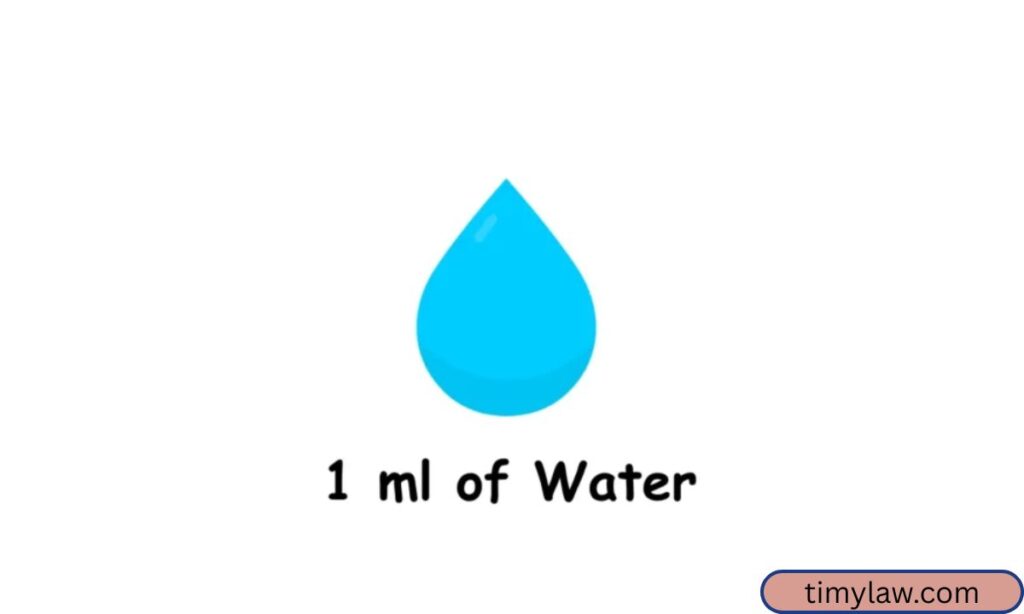
Water is the most scientifically reliable way to hit 1 gram exactly. One milliliter of water at room temperature will always weigh 1 gram, no exceptions.
This is why water is the gold standard for measuring one gram in a lab or kitchen setting.
Why Some Everyday Items Do Not Weigh Exactly 1 Gram
Not every item on this list is a perfect match, and that is worth being upfront about. Natural things like grapes, apples, and raisins grow in different sizes, so their weight always shifts a little.
Manufactured items like coins, bills, and paperclips are far more consistent because factories control every measurement down to the material and shape.
If you need a truly reliable 1 gram reference, stick with manufactured objects like the yen coin, the dollar bill, or a milliliter of water rather than produce or snacks.
1 Gram Without a Scale – 3 Proven Methods
You do not need a fancy tool to estimate 1 gram. These three tricks work almost anywhere.
Paperclip Comparison
Hold a standard paperclip in your palm and get used to the feel. Compare it against the unknown item in your other hand.
This trick works best for small, light objects like jewelry, screws, or craft supplies.
Dollar Bill Balance
Pull any bill from your wallet and hold it flat in one hand. Balance it against the item you are curious about in the other hand.
This method works great for flat, lightweight things, though it struggles with anything small and dense.
Water Volume (Most Accurate)
Measure 1 milliliter of water using a dropper or small syringe. Since water gives you an exact 1 gram measurement every time, this is the most trustworthy home method available.
Scale up if needed. Five milliliters of water gives you a reliable 5 gram reference.
Common Mistakes People Make When Estimating 1 Gram
A lot of people assume every small object automatically hits 1 gram, but size alone is not a reliable clue. A grape can look tiny and still weigh three times as much as a paperclip.
Another common mistake is trusting hand feel alone for dense items like metal screws or jewelry, since density throws off the guess even when the size looks similar to a known 1 gram object.
The safest fix is combining two methods, like comparing by hand first, then confirming with the water trick if precision actually matters.
Conclusion
A gram feels tiny, but now it makes sense. You have real examples to picture it every time, like a dollar bill, a paperclip, or a drop of water. These simple things turn a hard idea into something easy to understand. That is the real value of knowing your everyday references.
Try it yourself the next time you are curious. Grab a paperclip and just feel the weight in your hand. Small comparisons like this stick in your memory naturally. That is the easiest way to understand 1 gram for good.

Henry Brooks is the founder and lead writer behind TimyLaw, a trusted online resource dedicated to making measurements simple, accurate, and easy to understand. With a passion for turning complex dimensions, weights, lengths, and size comparisons into practical guides, Henry helps readers find real-world measurement answers quickly. Through TimyLaw, he creates well-researched, user-friendly content that explains everyday measurements using relatable examples, helping students, professionals, and curious readers make sense of sizes, distances, and weights with confidence. His goal is to provide clear, reliable, and engaging measurement content that makes learning both useful and enjoyable.